
 Save
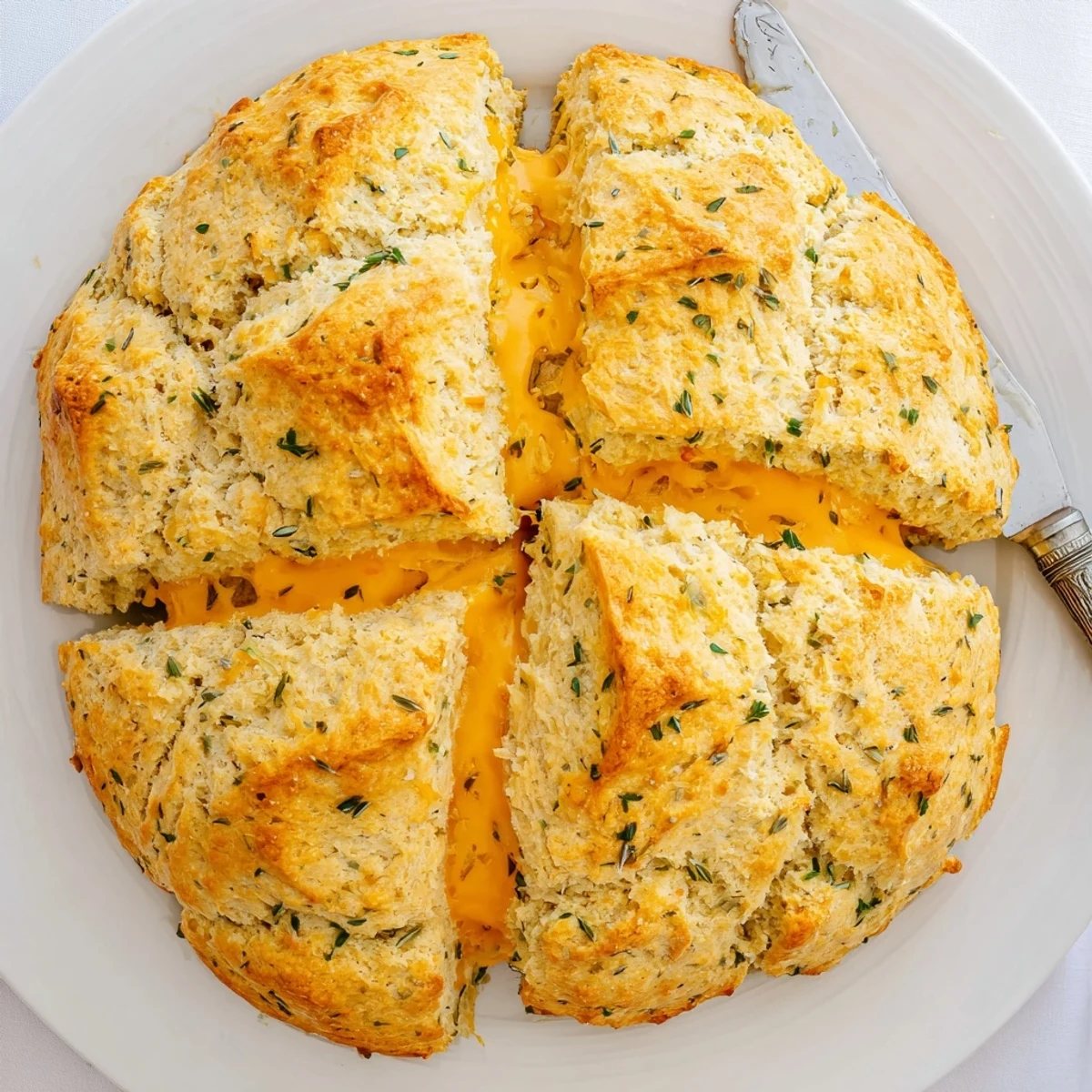
Save This rustic Irish-style bread comes together in just 15 minutes of prep time. Sharp cheddar melts throughout the tender crumb, while fresh parsley, chives, and thyme add aromatic depth. The buttermilk creates a soft interior with a crisp, golden crust. Simply cut a signature X in the top before baking for that traditional soda bread appearance. Perfect warm with butter or alongside hearty soups and stews.
The first time I made this bread, my tiny apartment smelled like an artisanal bakery had moved in uninvited. My roommate poked her head into the kitchen, eyes wide, demanding to know what bakery I had secretly visited at 7 AM. The truth was even better, it was ready in under an hour with zero yeast anxiety.
Last winter, during a particularly relentless week of rain, this bread became my Sunday ritual. Something about the combination of sharp cheese hitting the hot oven and herbs releasing their oils made the whole house feel cozy and well fed. My neighbor actually knocked on the door to ask what smelled so incredible.
Ingredients
- 3 1/2 cups all-purpose flour: This creates the perfect structure, I have tried whole wheat but it makes the bread too dense for the cheese to shine through
- 1 tsp baking soda: The leavening agent that works instantly, unlike yeast which demands patience and perfect conditions
- 1 tsp salt: Essential for flavor but do not go overboard since the cheese brings its own saltiness
- 1/2 tsp freshly ground black pepper: Adds a subtle warmth that makes the cheese sing
- 1 1/2 cups sharp cheddar cheese, grated: Sharp cheddar melts beautifully and maintains its flavor through baking, mild cheese will disappear completely
- 2 tbsp fresh parsley, chopped: Brightens everything up, use curly parsley for texture or flat leaf for more delicate flavor
- 2 tbsp fresh chives, chopped: Their mild onion flavor complements the cheese without overpowering it
- 1 tbsp fresh thyme leaves: Earthy and aromatic, dried thyme works in a pinch but fresh is noticeably better here
- 1 3/4 cups buttermilk: Creates tenderness and tang, regular milk with a tablespoon of vinegar works if you are in a bind
- 2 tbsp unsalted butter, melted: Brushing the top while warm creates the most gorgeous finish you have ever seen
Instructions
- Get your oven ready first:
- Preheat to 400F and line your baking sheet now, once you mix the dough you want it in the oven immediately for the best rise
- Whisk the dry foundation:
- In a large bowl, combine flour, baking soda, salt, and pepper until they are one happy family
- Add the good stuff:
- Fold in the cheese and herbs until every bit of flour has some flecks of green or orange, this ensures flavor in every single bite
- Make a well and pour:
- Create a deep crater in the center, pour in the buttermilk and melted butter, then mix gently until it just comes together
- Shape with a light touch:
- Turn onto a floured surface and knead briefly, just enough to form a rough ball, overworking will make it tough
- The classic cross:
- Shape into a 7 inch round and cut a deep X on top, this helps the bread bake evenly and is how you know it is the real deal
- Bake until golden:
- 30 to 35 minutes should do it, tap the bottom and if it sounds hollow, you have nailed it
- The butter finish:
- Brush with melted butter while still warm for that bakery shine, let it cool slightly before slicing or the steam will escape too fast
 Save
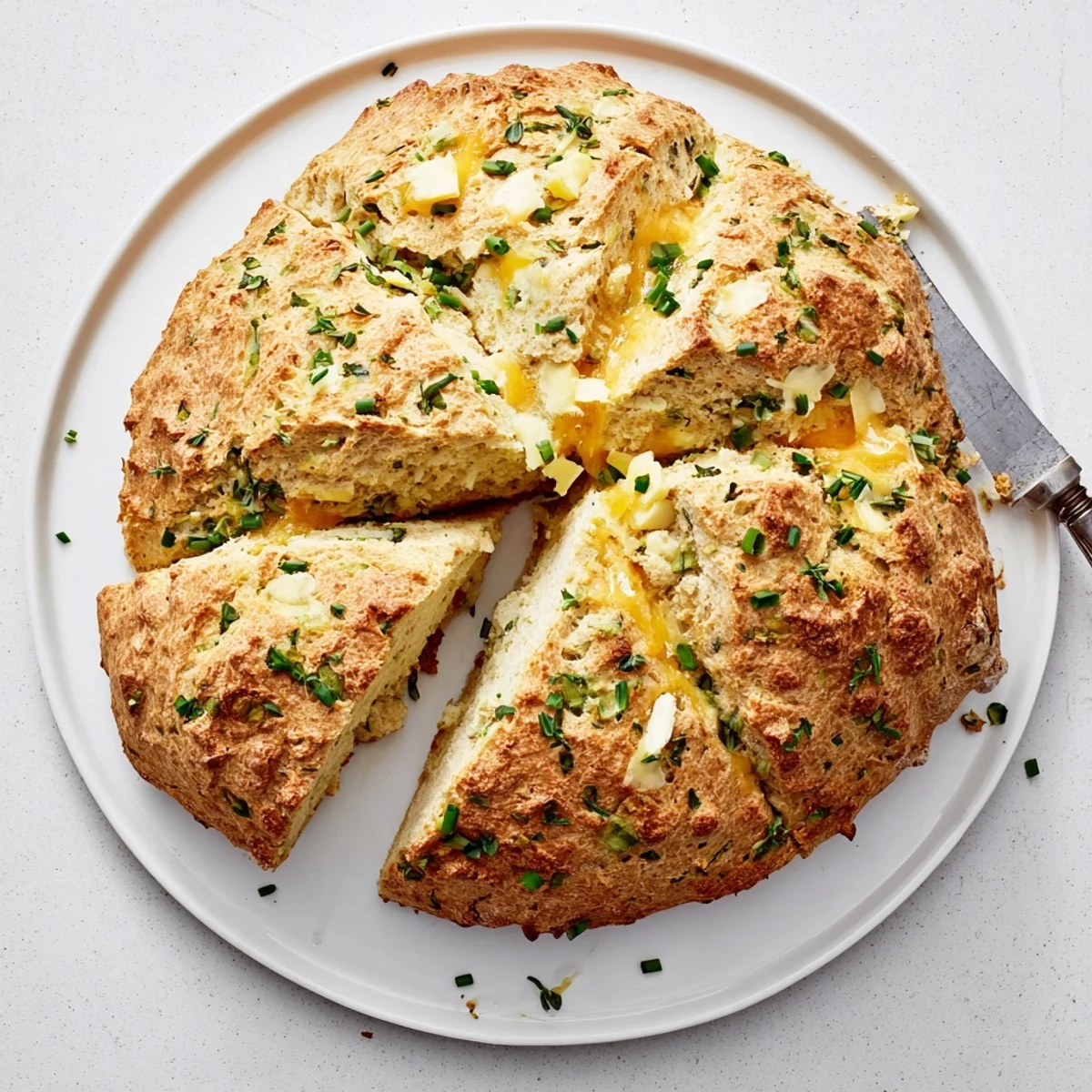
Save This bread has become my go to when friends drop by unexpectedly. It looks impressive but requires zero special skills, and people always assume I spent hours mastering traditional bread making techniques. The secret stays between us.
Choosing Your Cheese
I have experimented with countless cheese combinations and sharp cheddar remains the champion. Aged cheddar has enough flavor intensity to stand up to the herbs, while younger varieties tend to fade into the background. Irish cheddar, if you can find it, brings a creamy sharpness that is absolutely perfect.
Herb Variations
While parsley, chives, and thyme make a classic combination, do not be afraid to play around. Rosemary creates a more pine forward version, while fresh dill transforms it into something that pairs beautifully with smoked salmon. The key is keeping the total herb amount the same so the balance stays right.
Storage And Serving
This bread is best eaten the day it is made, when the crust is still slightly crisp and the interior is tender. It toasts up beautifully the next morning, perfect with a fried egg on top. I have also been known to cube and toast leftovers for croutons that make any salad feel special.
- Wrap tightly in foil and reheat at 350F for 10 minutes to refresh
- Slice it thicker if planning to use for grilled cheese, it holds up remarkably well
- The X cut makes it easy to tear by hand, which feels wonderfully rustic
 Save
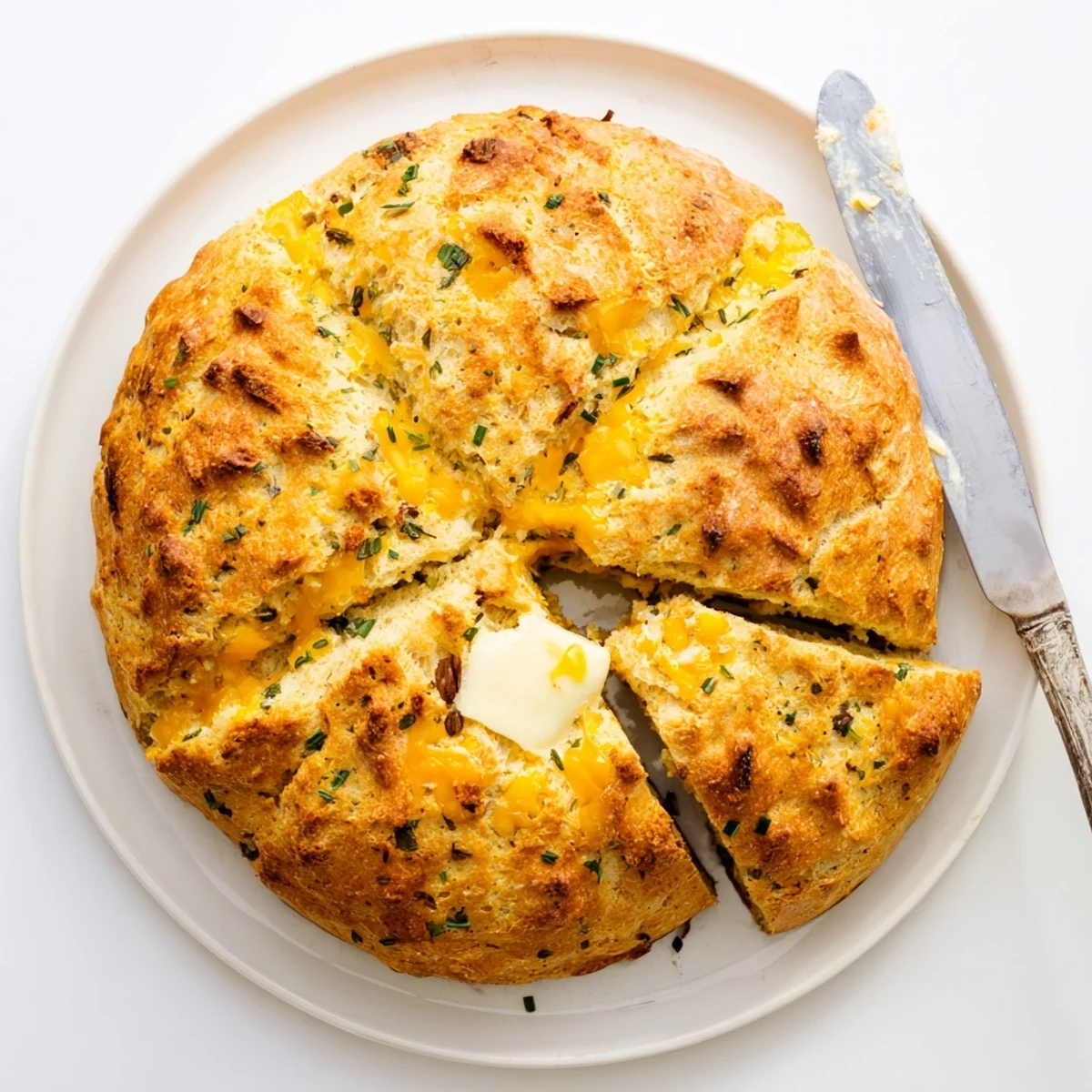
Save There is something profoundly satisfying about making bread that does not ask for your patience or precision. This is the kind of recipe that reminds you why cooking feels good.
Recipe FAQs
- → Can I use dried herbs instead of fresh?
-
Yes, substitute dried herbs using half the amount called for. The flavor will be slightly more concentrated, so adjust to taste.
- → What can I substitute for buttermilk?
-
Mix ¾ cup regular milk with 1 tablespoon lemon juice or vinegar, let stand for 5 minutes. This creates the necessary acidity for the baking soda to activate properly.
- → Why do I cut an X in the top?
-
The traditional X shape helps the heat penetrate the center of the loaf while allowing steam to escape. It also creates that classic soda bread appearance and helps the bread bake evenly.
- → How should I store this bread?
-
Wrap tightly in plastic or store in an airtight container at room temperature for up to 2 days. For longer storage, slice and freeze for up to 3 months. Reheat gently before serving.
- → Can I add other ingredients?
-
Absolutely. Try adding diced jalapeños, crumbled bacon, or swap cheddar for gruyère. A pinch of cayenne or mustard powder adds nice warmth without overpowering the herbs.