
 Save
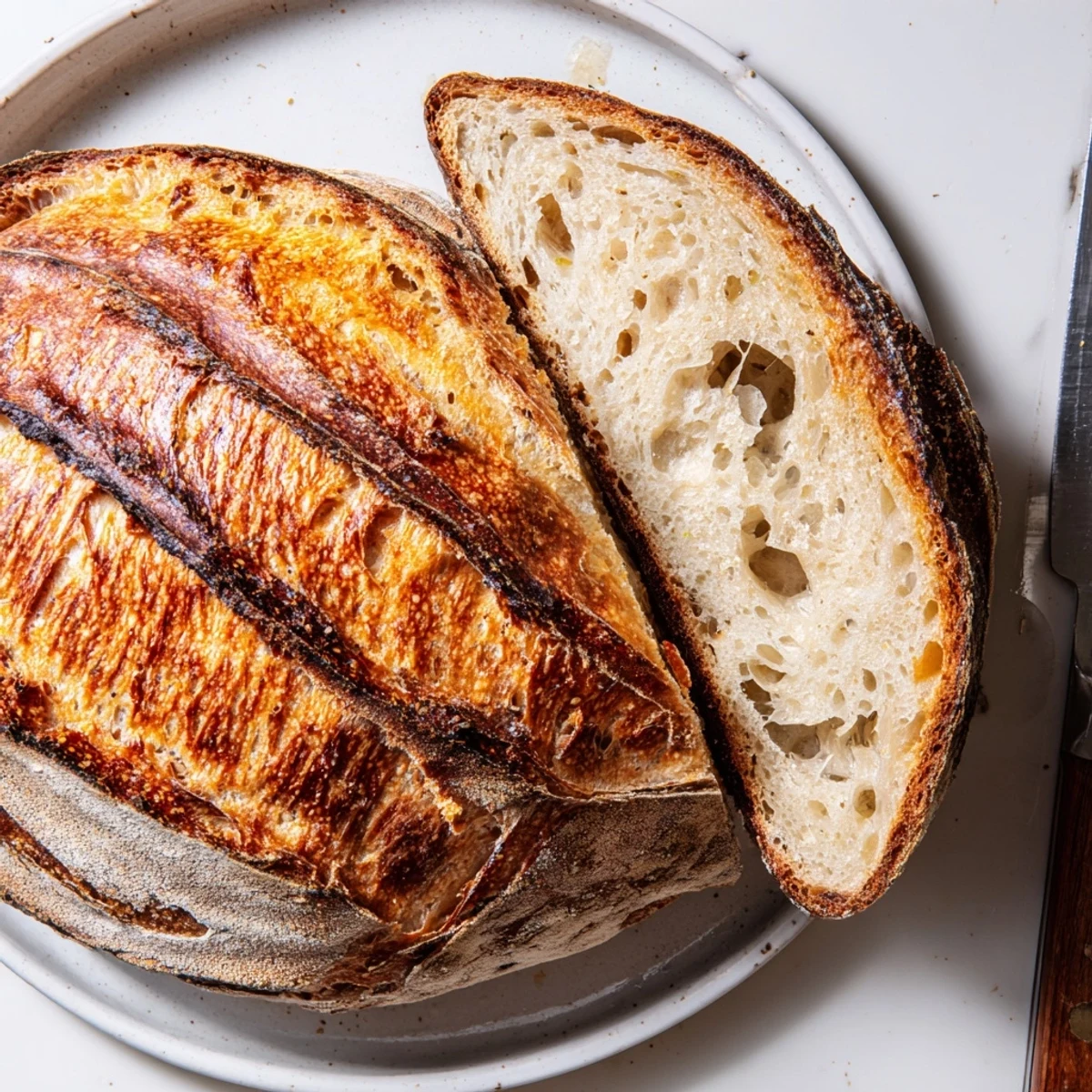
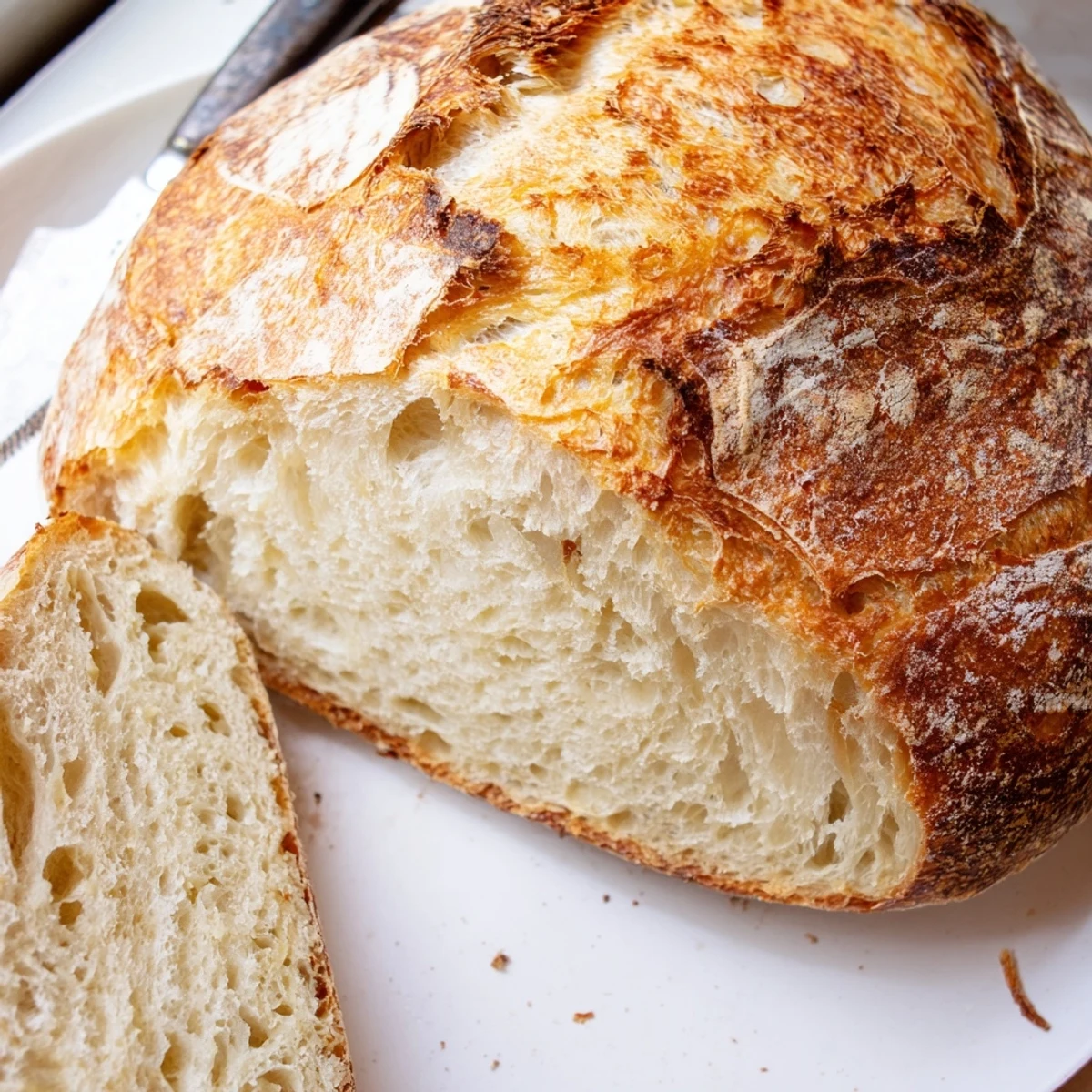
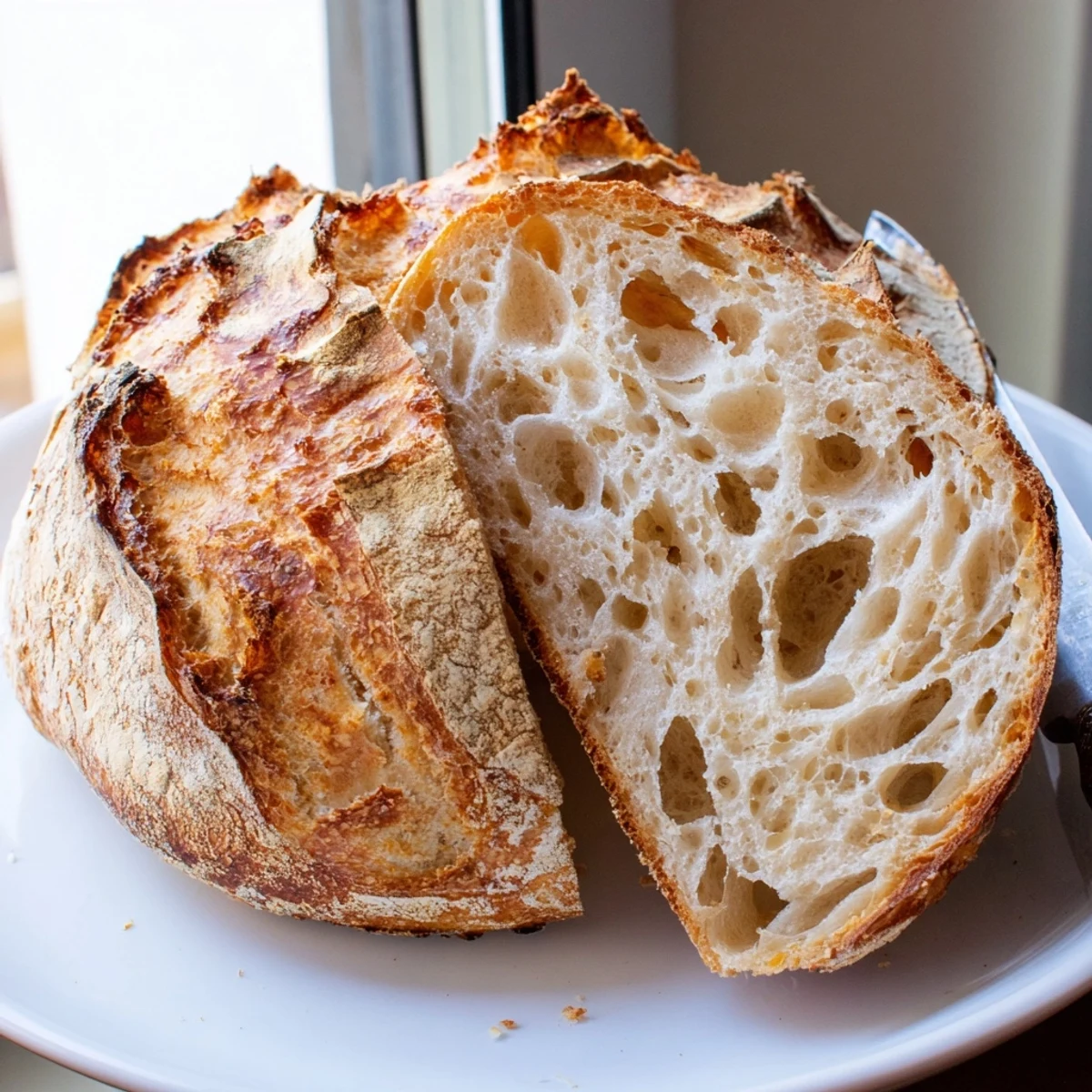
Save Craft an authentic sourdough loaf using wild yeast fermentation for that signature tangy flavor and chewy texture. This rustic bread combines just four simple ingredients—flour, water, salt, and an active starter—transforming through patient fermentation into a beautifully caramelized crust with an open, airy crumb.
The process involves autolyse, strategic stretch-and-fold techniques, and a long fermentation period that develops complex flavors naturally. Baked in a Dutch oven to create professional steam, this artisanal loaf emerges with a deep golden crust and perfect oven spring.
My first attempt at sourdough ended in a dense, brick-like loaf that my husband politely called rustic. Three years later, after countless failed starters and flour-covered evenings, I finally understand why bakers become obsessed with this ancient craft. Theres something almost magical about transforming just flour and water into a loaf that sings when you slice it.
Last winter, during a particularly gloomy week, I started my dough on Friday evening and let it ferment slowly in the fridge. When I pulled that golden loaf from the oven on Saturday morning, the entire house smelled like a European bakery. My neighbor actually knocked on the door to ask what I was making.
Ingredients
- Bread flour: Unbleached flour gives the best structure and rise. I keep a 5kg bag specifically for bread days.
- Water: Room temperature is crucial. Cold water slows fermentation, while hot water can kill your starter.
- Active sourdough starter: Your starter should be fed 8-12 hours before mixing and float in water like a happy balloon.
- Sea salt: Dont skimp here. Salt controls fermentation and deepens flavor. Ive tried reducing it, and the bread always tastes flat.
Instructions
- Mix the autolyse:
- Combine flour and water in a large bowl until shaggy. Cover and walk away for 45 minutes. This rest period hydrates the flour and makes later kneading effortless.
- Incorporate starter and salt:
- Add your bubbly starter and sea salt to the dough. Squeeze everything together by hand until fully combined. The dough should feel tacky but not stick aggressively to your fingers.
- The stretch and fold series:
- Every 30 minutes for 2 hours, grab one edge of the dough, stretch it high, and fold it over the center. Rotate the bowl and repeat four times. Watch how the dough transforms from shaggy to smooth and elastic.
- Bulk fermentation:
- Let the dough rise at room temperature for 4-6 hours. Its ready when a gentle poke leaves a small indentation that slowly fills back halfway. In summer, this might take only 3 hours. In winter, expect longer.
- Shape for final rise:
- Turn the dough onto a lightly floured surface. Gently fold the edges toward the center to create tension, then flip and shape into a tight round. The surface should feel like a stretched drum.
- Final proof:
- Place the dough seam-side up in a floured proofing basket. Cover and let rise 2-4 hours at room temperature, or refrigerate overnight. The cold proof develops incredible flavor and makes scoring easier.
- The oven spring:
- Preheat your Dutch oven at 230°C for at least 30 minutes. Turn the dough onto parchment, score with a sharp blade, and transfer to the screaming-hot pot. Cover immediately.
- Bake to perfection:
- Bake covered for 25 minutes, then remove the lid. Continue baking 20 minutes until deeply golden. The crust should sound hollow when tapped. Cool completely before slicing—this is the hardest part.
 Save
Save My daughter now asks for sourdough toast every Sunday morning. She calls it the bread that makes the house happy. Watching her spread butter on a warm slice, I realize all those failed loaves were worth it.
Understanding Fermentation Times
Temperature dramatically affects how quickly your dough ferments. In my 70°F kitchen, bulk fermentation takes about 5 hours. During summer heat waves, it can finish in half that time. Learn to read your doughs behavior rather than watching the clock.
Flour Variations That Work
I love substituting 100g of bread flour with whole wheat for nutty depth, or adding 50g rye flour for earthiness. These adjustments change hydration needs slightly, so start with less water and add as needed. The dough will tell you what it requires.
Storing and Reviving Your Loaf
Store your bread cut-side down on a wooden board, never in plastic. The crust will soften slightly but remain protectively crisp. By day three, slice any leftovers and toast them. Day-old sourdough makes exceptional French bread pizza.
- Freeze whole loaves wrapped tightly in foil and thaw at room temperature
- Revive a slightly stale loaf by sprinkling with water and baking at 180°C for 10 minutes
- Never refrigerate fresh bread—it stales six times faster at cold temperatures
 Save
Save Theres profound satisfaction in serving bread you created with your own hands. May your kitchen always smell like fermentation and possibility.
Recipe FAQs
- → What makes sourdough different from regular bread?
-
Sourdough relies on wild yeast and beneficial bacteria naturally present in flour rather than commercial yeast. This slow fermentation process breaks down gluten, creates signature tangy flavors, and yields a chewy texture with better keeping qualities.
- → How do I know when my starter is active enough?
-
A ready starter should be bubbly, doubled in size within 4-8 hours after feeding, and have a pleasantly sour aroma. When you drop a spoonful into water, it should float rather than sink, indicating proper fermentation activity.
- → Can I shorten the fermentation time?
-
While tempting, reducing fermentation time compromises flavor development and texture. The long fermentation is essential for breaking down flour proteins, creating the characteristic tang, and achieving that open crumb structure. Plan ahead rather than rushing the process.
- → Why is a Dutch oven recommended for baking?
-
A preheated Dutch oven creates steam naturally when the dough is added, mimicking professional deck ovens. This steam allows the loaf to expand fully before the crust sets, producing excellent oven spring and a beautifully caramelized, crackly exterior.
- → How should I store the finished loaf?
-
Store completely cooled bread in a paper bag or wrapped in a linen cloth at room temperature for up to 3 days. Avoid plastic bags, which trap moisture and soften the crust. For longer storage, slice and freeze in a sealed container.
- → What can I do if my dough doesn't rise enough?
-
Inadequate rising usually stems from weak starter activity or cool room temperature. Ensure your starter is freshly fed and bubbly. Find a warm spot (75-80°F) for bulk fermentation, or extend the rising time. The dough should nearly double before shaping.