
 Save
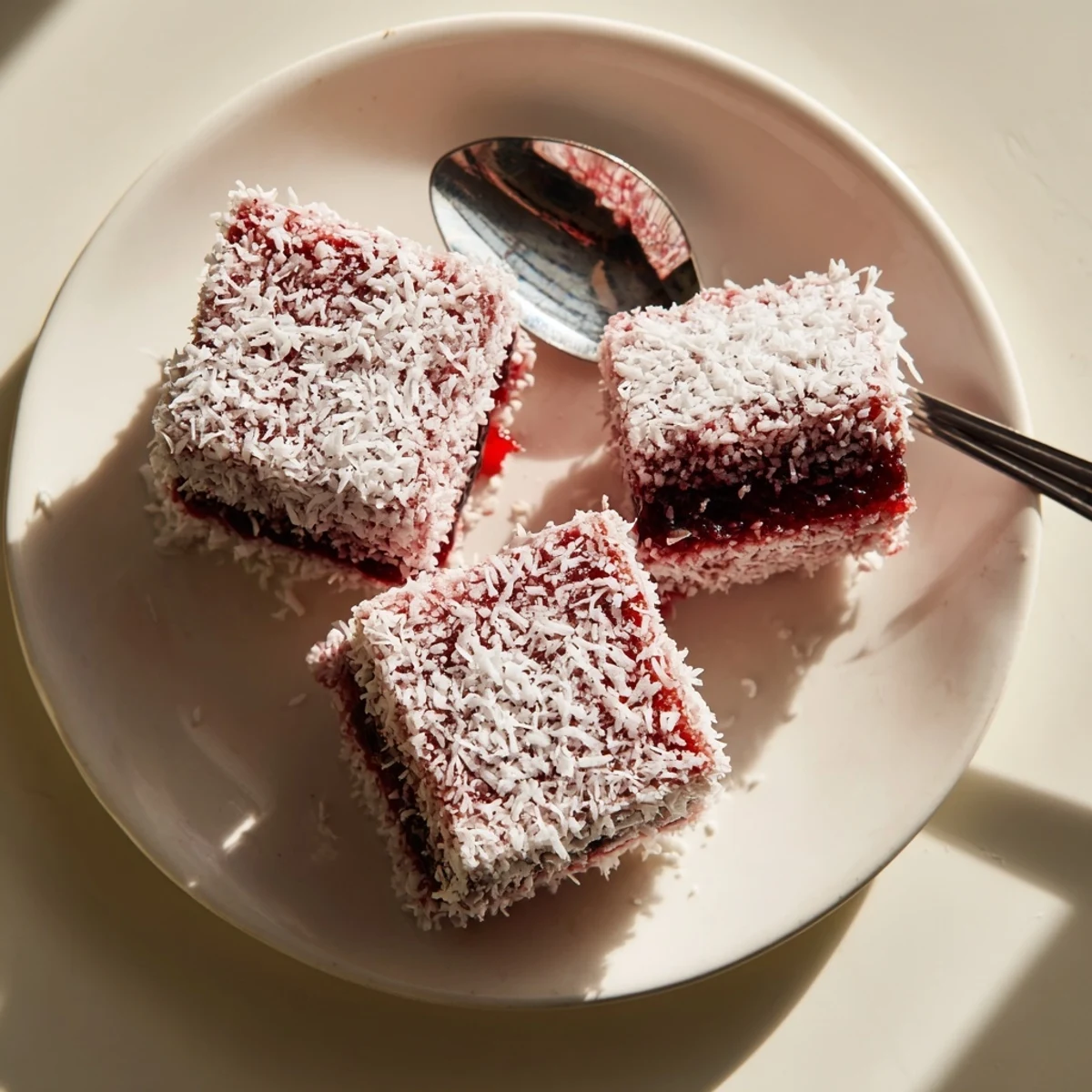
Save These raspberry lamingtons take the beloved Australian classic and give it a vibrant, fruity upgrade. Soft vanilla sponge is baked until golden, then cut into neat squares and briefly frozen for easier handling.
Each square is dipped into a warm raspberry jam glaze, allowing the sweet-tart coating to soak gently into the sponge, before being rolled in desiccated coconut for that signature fluffy exterior.
The result is a tender, coconut-crusted cake with a burst of raspberry in every bite. They're wonderful alongside a cup of tea or served as a crowd-pleasing dessert at gatherings.
My neighbor Clare brought over a plate of lamingtons during a heatwave last January, and I spent the entire afternoon trying to figure out what made them so pink and irresistible. Turns out she had swapped the usual chocolate for raspberry jam, and honestly, I have never looked back since. The kitchen smelled like a bakery collided with a berry patch, and my cat sat on the counter watching me dip cake squares with the intensity of a Michelin star judge. That single afternoon turned me into someone who makes lamingtons far too often for someone who claims to be watching her sugar intake.
I made a double batch of these for a friends potluck and watched three grown adults hover near the dessert table pretending they were not going back for seconds. The coconut gets everywhere, your fingers will be sticky for hours, and absolutely nobody will care because the combination of soft sponge and tangy raspberry is worth every bit of chaos.
Ingredients
- 1 cup (125 g) all purpose flour: The backbone of your sponge, so spoon and level rather than scooping straight from the bag to avoid a dense cake.
- 1 tsp baking powder: Fresh baking powder matters here because this sponge needs every bit of lift it can get.
- 1/4 tsp salt: Just enough to sharpen the sweetness without making itself known.
- 1/2 cup (115 g) unsalted butter, softened: Leave it out for an hour before baking because cold butter will leave you with pockets instead of a smooth crumb.
- 3/4 cup (150 g) granulated sugar: The sugar creaming step is where your sponge gets its tenderness, so do not rush it.
- 2 large eggs, at room temperature: Cold eggs can curdle your batter, so take them out of the fridge when you remember, ideally an hour ahead.
- 1 tsp vanilla extract: A quiet background note that ties everything together without stealing the spotlight from the raspberry.
- 1/2 cup (120 ml) milk: Whole milk gives the best texture, though a splash of buttermilk works beautifully if you want a slightly richer crumb.
- 2/3 cup (200 g) raspberry jam: Use a good quality jam with real fruit because this is the star of the entire recipe.
- 1/3 cup (80 ml) hot water: Thins the jam into a dippable glaze that coats evenly without tearing the delicate sponge.
- 2 cups (160 g) desiccated coconut: Fine desiccated coconut sticks better than the flaky shredded kind, so seek it out if you can.
Instructions
- Preheat and prepare your pan:
- Set your oven to 350 degrees F (180 degrees C) and grease an 8 inch square cake pan before lining it with baking paper, leaving overhanging edges like handles for easy removal later.
- Sift the dry ingredients:
- Sift the flour, baking powder, and salt into a bowl and set it aside, taking a moment to appreciate how light and airy the flour looks after a good sifting.
- Cream butter and sugar:
- Beat the softened butter and sugar together until the mixture turns pale and fluffy, which usually takes about three minutes of patient mixing.
- Add eggs and vanilla:
- Beat in the eggs one at a time, waiting until each is fully incorporated before adding the next, then stir in the vanilla until the batter smells like something you want to eat with a spoon.
- Combine wet and dry:
- Add the flour mixture in two parts, alternating with the milk, and mix until just combined because overmixing is the enemy of a tender sponge.
- Bake the sponge:
- Pour the batter into your prepared pan, smooth the top with a spatula, and bake for 22 to 25 minutes until a skewer inserted in the center comes out clean and your kitchen smells like pure comfort.
- Cool completely:
- Let the cake rest in the pan for 10 minutes, then turn it out onto a wire rack and wait patiently because cutting into warm cake will end in crumbly tears.
- Cut and freeze the squares:
- Once completely cool, cut the cake into 12 even squares and pop them in the freezer for 30 minutes, which firms them up and makes the dipping step far less messy.
- Prepare the raspberry coating:
- Warm the raspberry jam with hot water, stirring until smooth and pourable, then transfer to a shallow bowl that gives you enough room to work comfortably.
- Dip and roll:
- Working quickly with one square at a time, dip it into the raspberry mixture to coat all sides, let the excess drip off, then roll gently in the desiccated coconut until fully covered.
- Let them set:
- Place each coated lamington on a wire rack and let them rest for at least 30 minutes so the coating firms up and the flavors settle into something truly wonderful.
 Save
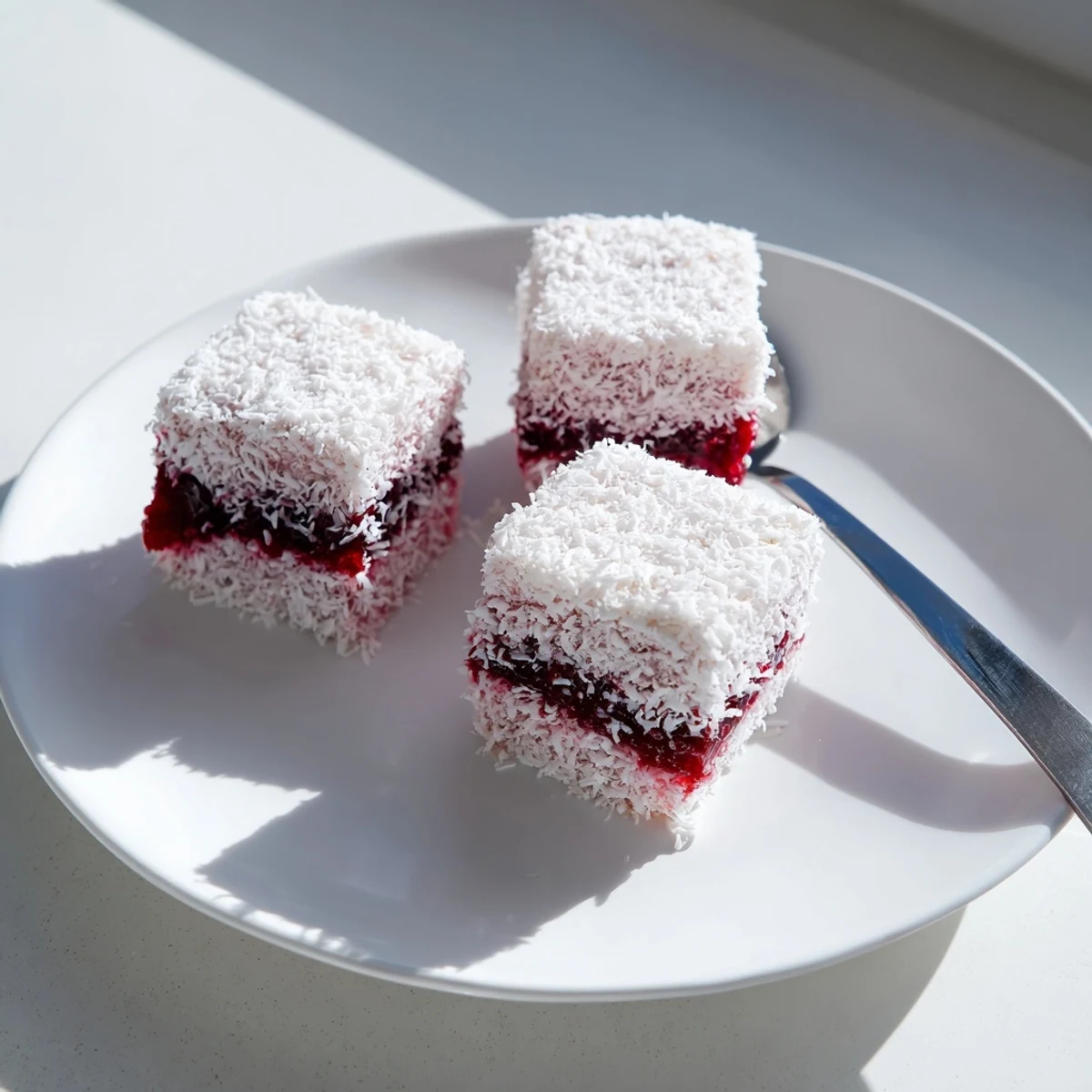
Save There is something deeply satisfying about lining up a dozen pink and white lamingtons on a wire rack and watching them set while the afternoon light shifts across the kitchen counter. They look almost too cheerful to eat, though that feeling never actually stops anyone.
What to Serve With Raspberry Lamingtons
A strong cup of Earl Grey tea cuts through the sweetness perfectly, though a flat white works just as well if you want to lean into the Australian spirit of the thing. I once served these alongside a pot of peppermint tea at a baby shower and several guests asked for the recipe before they even finished their first lamington. The raspberry flavor pairs beautifully with anything herbal or slightly bitter to balance the jammy richness.
Storing Your Lamingtons Properly
These keep beautifully in an airtight container in the fridge for up to four days, though the coconut softens slightly overnight in a way that some people actually prefer. If you are making them ahead for a gathering, assemble them the day before and let them come to room temperature for about twenty minutes before serving so the sponge regains its softness. Freezing the finished lamingtons works too, wrapped individually in plastic wrap, for up to a month.
Variations Worth Trying
Once you master the basic technique, the coating possibilities are endless and forgiving in a way that makes experimenting genuinely fun. Strawberry jam, mixed berry preserves, or even a lemon curd thinned with a little warm water can replace the raspberry with delicious results.
- Try adding a thin layer of whipped cream between two lamington halves for an indulgent mini sandwich.
- A tablespoon of freeze dried raspberry powder mixed into the coconut adds a concentrated tartness that surprises people.
- Always taste your jam before using it because sweetness levels vary wildly between brands and affect the final balance.
 Save
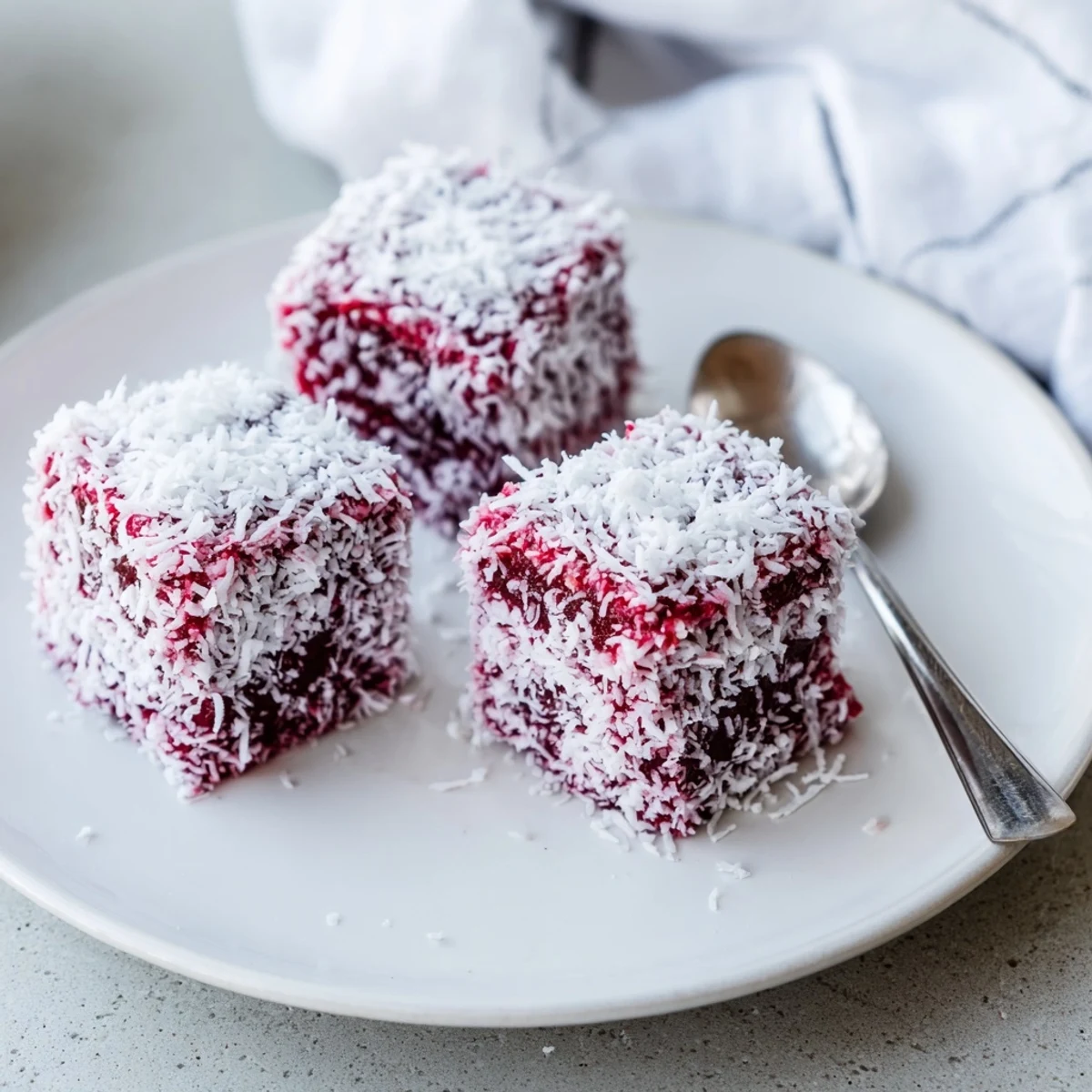
Save Raspberry lamingtons are proof that a small twist on a beloved classic can create something that feels entirely new yet comfortingly familiar. Make them once and you will find yourself looking for excuses to make them again.
Recipe FAQs
- → Can I use store-bought sponge cake instead of making my own?
-
Yes, a store-bought plain sponge or butter cake works well and saves time. Cut it into even squares and freeze briefly before dipping for the best results.
- → Why do I need to freeze the sponge squares before dipping?
-
Freezing firms up the sponge, making it much easier to handle during dipping. It prevents crumbs from breaking off into the jam coating and helps the cake hold its shape.
- → Can I use a different flavour of jam?
-
Absolutely. Strawberry, mixed berry, or even passionfruit jam all work beautifully. Choose a good-quality jam with a smooth consistency for the easiest coating.
- → How should I store leftover lamingtons?
-
Store them in an airtight container in the refrigerator for up to 3 days. Bring them to room temperature before serving for the best texture and flavour.
- → Can I make lamingtons gluten-free?
-
Yes, substitute the all-purpose flour with a 1-to-1 gluten-free baking blend. Ensure the baking powder and coconut are also certified gluten-free to avoid cross-contamination.
- → What type of coconut works best for coating?
-
Desiccated coconut is ideal because its fine texture adheres evenly and creates the classic lamington look. Shredded coconut can work but gives a chunkier, less traditional finish.