
 Save
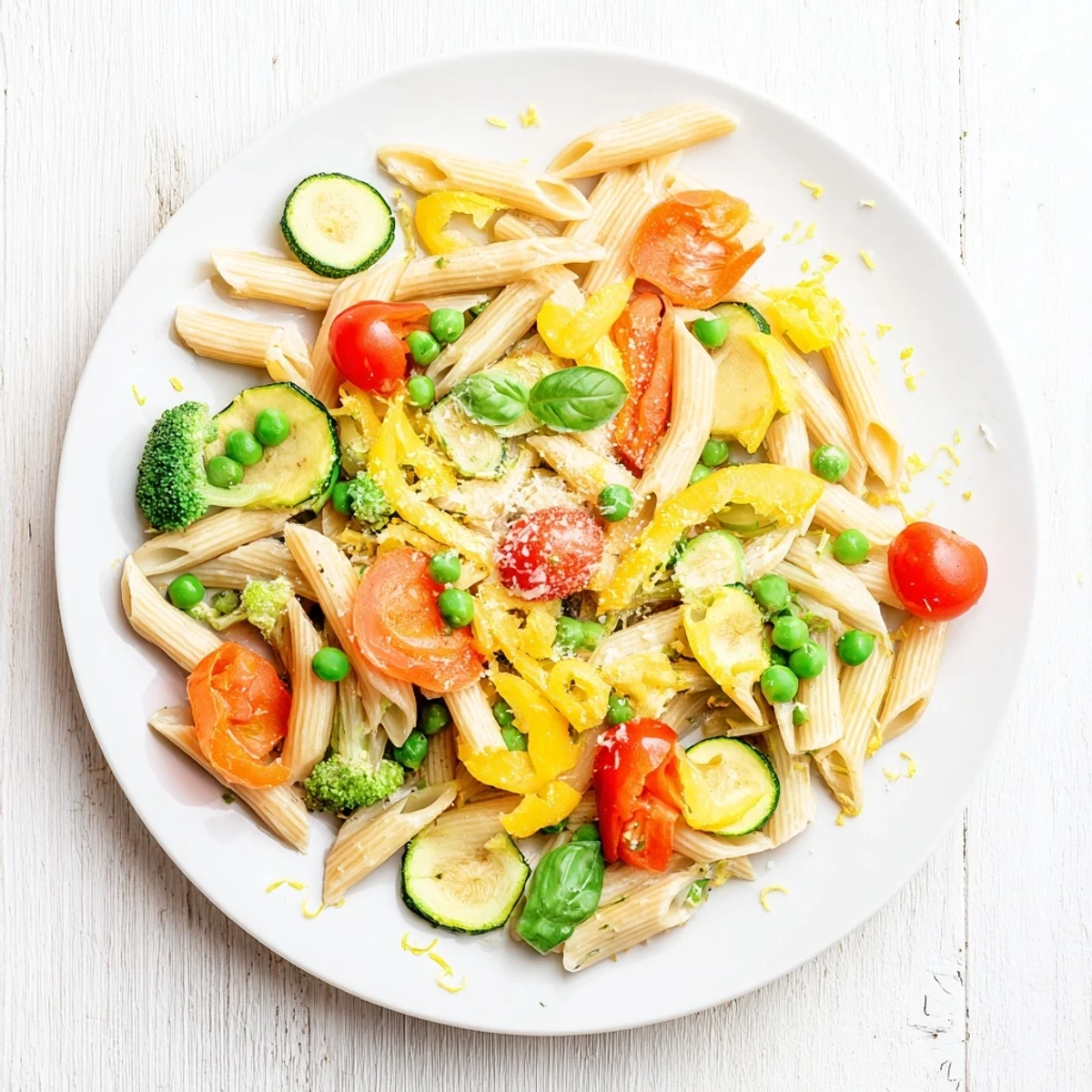
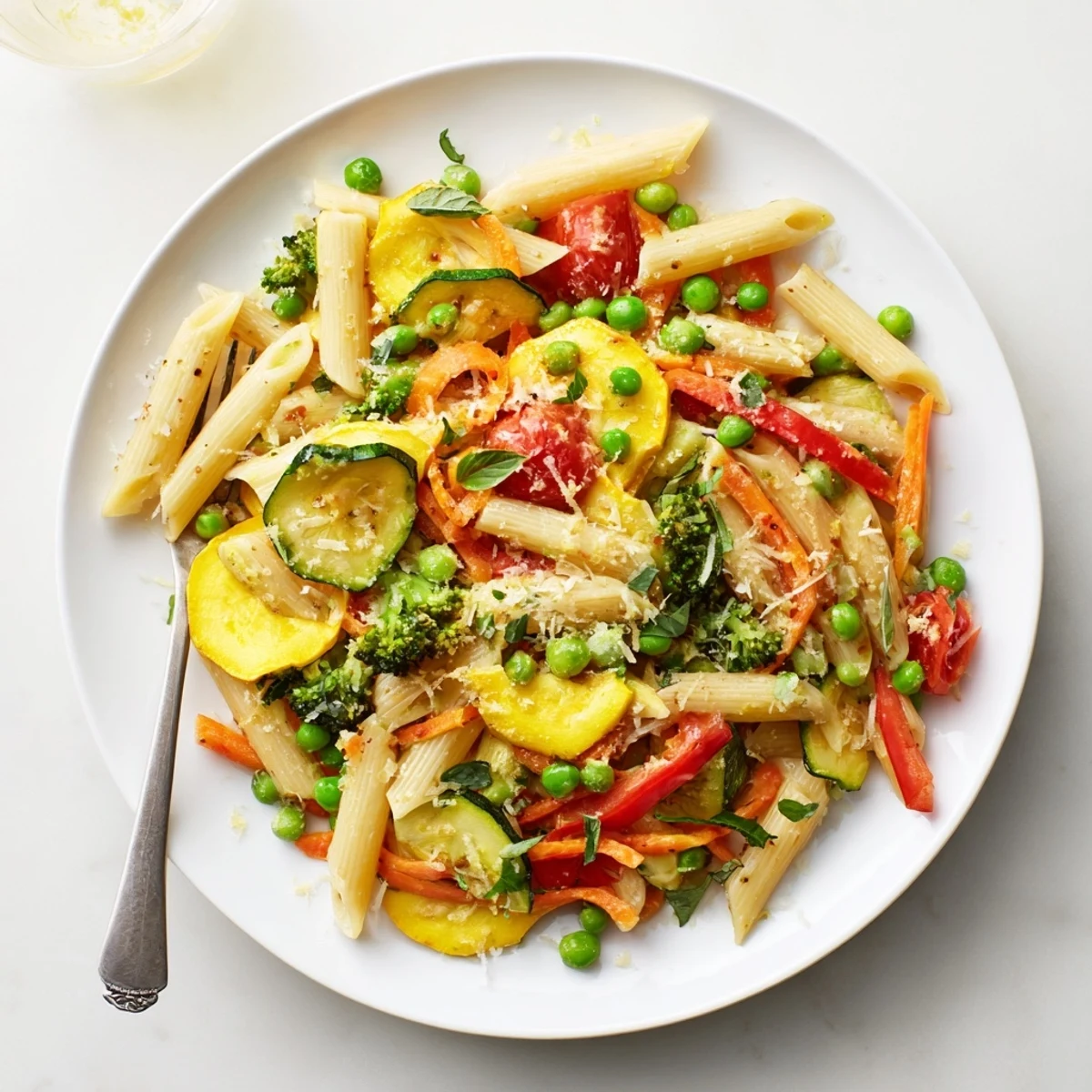
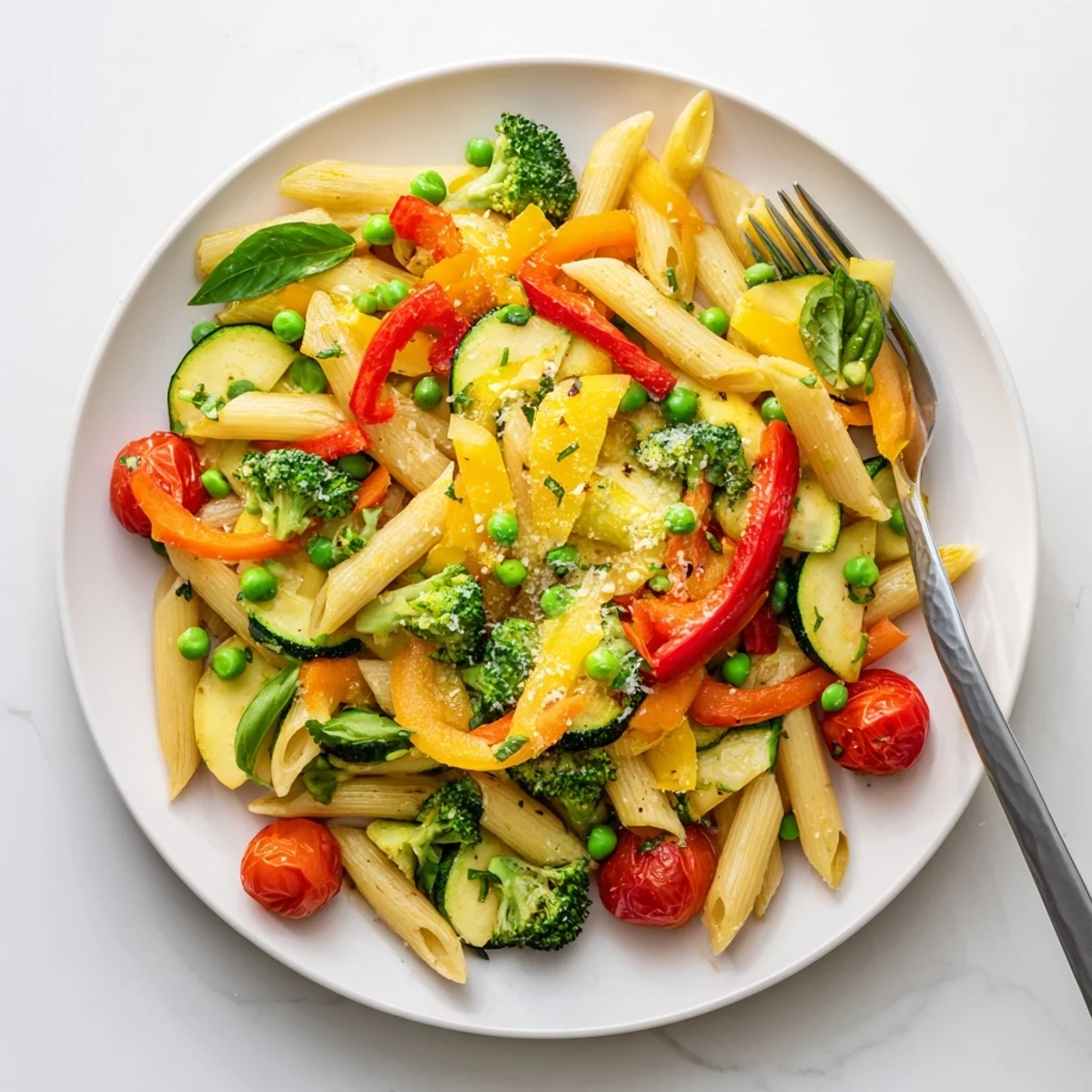
Save This vibrant Italian pasta primavera brings together the best of spring harvest vegetables—zucchini, yellow squash, bell peppers, broccoli, and cherry tomatoes—tossed with perfectly al dente penne in a bright lemon-parmesan sauce. Ready in just 40 minutes, this vegetarian main dish celebrates seasonal produce at its peak.
The cooking process highlights each vegetable's natural colors and textures while maintaining their crisp-tender bite. A touch of garlic, lemon zest, and red pepper flakes adds depth, while extra virgin olive oil creates a silky coating that clings to every piece of pasta.
Finish with generous amounts of freshly grated Parmesan and fragrant basil for an aromatic, satisfying meal that pairs beautifully with crisp white wines like Pinot Grigio or Sauvignon Blanc.
The first time I made pasta primavera, I accidentally used every vegetable in my crisper drawer because I could not decide what to leave out. My husband walked into the kitchen, raised an eyebrow at the colorful chaos on the counter, and asked if we were feeding the entire neighborhood. That dinner turned into one of our favorites, a celebration of whatever is fresh and bright.
Last spring, my sister came over for dinner and watched me chop an entire rainbow of vegetables for this dish. She told me she always overcooked her primavera until everything turned gray and soft, so I showed her how to keep each vegetable distinct and colorful. Now she makes it for her family every Sunday, and her kids actually fight over the broccoli.
Ingredients
- 350 g penne or fusilli pasta: Choose a shape with ridges or spirals that catches the sauce and vegetables beautifully
- 1 small zucchini, sliced into half-moons: Slice them just thick enough so they do not turn to mush in the pan
- 1 small yellow squash, sliced into half-moons: These add such a lovely sweetness and pair perfectly with the zucchini
- 1 red bell pepper, sliced into thin strips: The red color makes the whole dish pop on the plate
- 1 cup broccoli florets: Cut them small so they cook quickly and stay bright green
- 1 cup cherry tomatoes, halved: They burst slightly and release their juices into the sauce
- 1/2 cup frozen peas, thawed: Add these at the end so they stay sweet and bright
- 2 cloves garlic, minced: Fresh garlic makes all the difference here, do not use the jarred stuff
- 1 small carrot, julienned: The carrots add a subtle sweetness and beautiful orange color
- 3 tbsp extra virgin olive oil: This becomes the base of your light, flavorful sauce
- 1/4 cup grated Parmesan cheese: Use freshly grated if possible, it melts into the vegetables so much better
- 1/4 cup chopped fresh basil: Basil adds that unmistakable Italian freshness at the end
- Zest of 1 lemon: The zest brightens everything without making it taste like lemonade
- Juice of 1/2 lemon: Just enough acid to cut through the olive oil and parmesan
- Salt and freshly ground black pepper: Season generously, the vegetables need proper seasoning to shine
- Pinch of red pepper flakes: Optional, but I love the subtle heat it brings
Instructions
- Get the pasta going:
- Bring a large pot of salted water to a boil and cook the pasta until al dente, then reserve 1/2 cup of the starchy cooking water before draining.
- Warm the olive oil:
- Heat the olive oil in a large skillet over medium heat and add the minced garlic, sautéing for just 30 seconds until it becomes fragrant.
- Start the harder vegetables:
- Add the carrot, bell pepper, and broccoli to the pan, stirring frequently for about 3 minutes as they begin to soften.
- Add the softer vegetables:
- Toss in the zucchini, yellow squash, and peas, cooking for another 4 to 5 minutes until everything is tender but still vibrant and firm.
- Brighten with tomatoes and lemon:
- Stir in the cherry tomatoes, lemon zest, and lemon juice, cooking for 2 more minutes until the tomatoes start to release their juices.
- Combine everything:
- Add the drained pasta to the skillet and toss it all together, adding splashes of the reserved pasta water until you have a silky, light sauce coating everything.
- Finish with cheese and herbs:
- Remove the pan from the heat and stir in the Parmesan cheese and fresh basil, then season with salt, pepper, and red pepper flakes if you like.
 Save
Save This recipe became our go-to for welcoming new neighbors after the family next door moved in last summer. We carried over a steaming bowl of primavera and fresh garlic bread, and ended up staying for three hours talking about their hometown in Italy. Now they make it for us, and we compare which vegetables we each used that week.
Making It Your Own
Spring vegetables work beautifully here, but do not be afraid to use whatever looks fresh at your market. I have used asparagus, sugar snap peas, and even fresh corn when they are in season.
Perfecting the Timing
The secret is adding vegetables to the pan in order of how long they take to cook. Harder vegetables like carrots and broccoli need more time, while delicate zucchini and cherry tomatoes only need a few minutes to stay bright and fresh.
Serving Suggestions
This pasta stands alone beautifully, but a crisp green salad with a simple vinaigrette complements it perfectly. I also love serving it with warm crusty bread to soak up any extra sauce at the bottom of the bowl.
- Grill some chicken or shrimp on the side if you want extra protein
- A glass of cold Pinot Grigio brings out the bright lemon flavors
- Extra parmesan at the table is never a bad idea
 Save
Save There is something so satisfying about a bowl of pasta that celebrates vegetables instead of hiding them. I hope this becomes a spring staple in your kitchen too.
Recipe FAQs
- → What vegetables work best in pasta primavera?
-
Spring vegetables like zucchini, yellow squash, bell peppers, broccoli florets, and cherry tomatoes create the classic primavera medley. The key is choosing vegetables that cook at similar rates and maintain their vibrant colors when sautéed.
- → How do I prevent the vegetables from becoming mushy?
-
Cook vegetables in stages starting with firmer ones like carrots, peppers, and broccoli, then add quicker-cooking vegetables like zucchini and squash last. Keep the heat at medium and stir frequently to maintain crisp-tender texture.
- → Can I make pasta primavera ahead of time?
-
While best enjoyed immediately, you can prepare the vegetables and sauce components up to a day in advance. Reheat gently with a splash of pasta water before tossing with freshly cooked pasta to maintain optimal texture.
- → What pasta shape works best for primavera?
-
Penne, fusilli, or rotini are ideal choices as their ridges and curves capture the light sauce and small vegetable pieces. Short pasta shapes distribute ingredients more evenly than long strands like spaghetti.
- → How can I add protein to this vegetarian dish?
-
Grilled chicken strips, sautéed shrimp, or pan-seared tofu make excellent protein additions. For plant-based options, white beans or chickpeas complement the Mediterranean flavors while adding satisfying protein and fiber.
- → What herbs enhance pasta primavera?
-
Fresh basil is traditional, but parsley, oregano, or thyme also work beautifully. Add delicate herbs like basil after removing from heat to preserve their aromatic oils, while woody herbs like thyme can be added during cooking.