
 Save
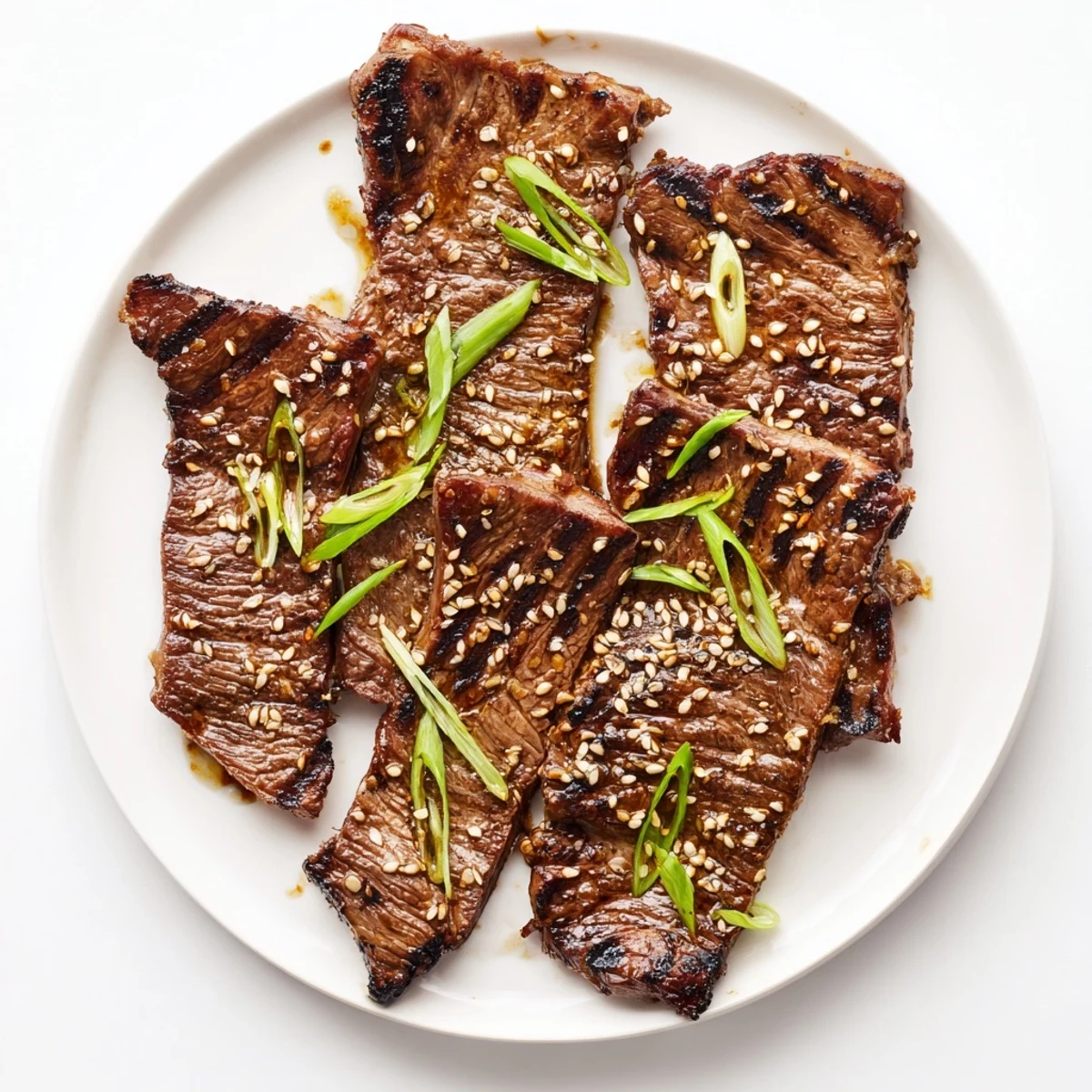
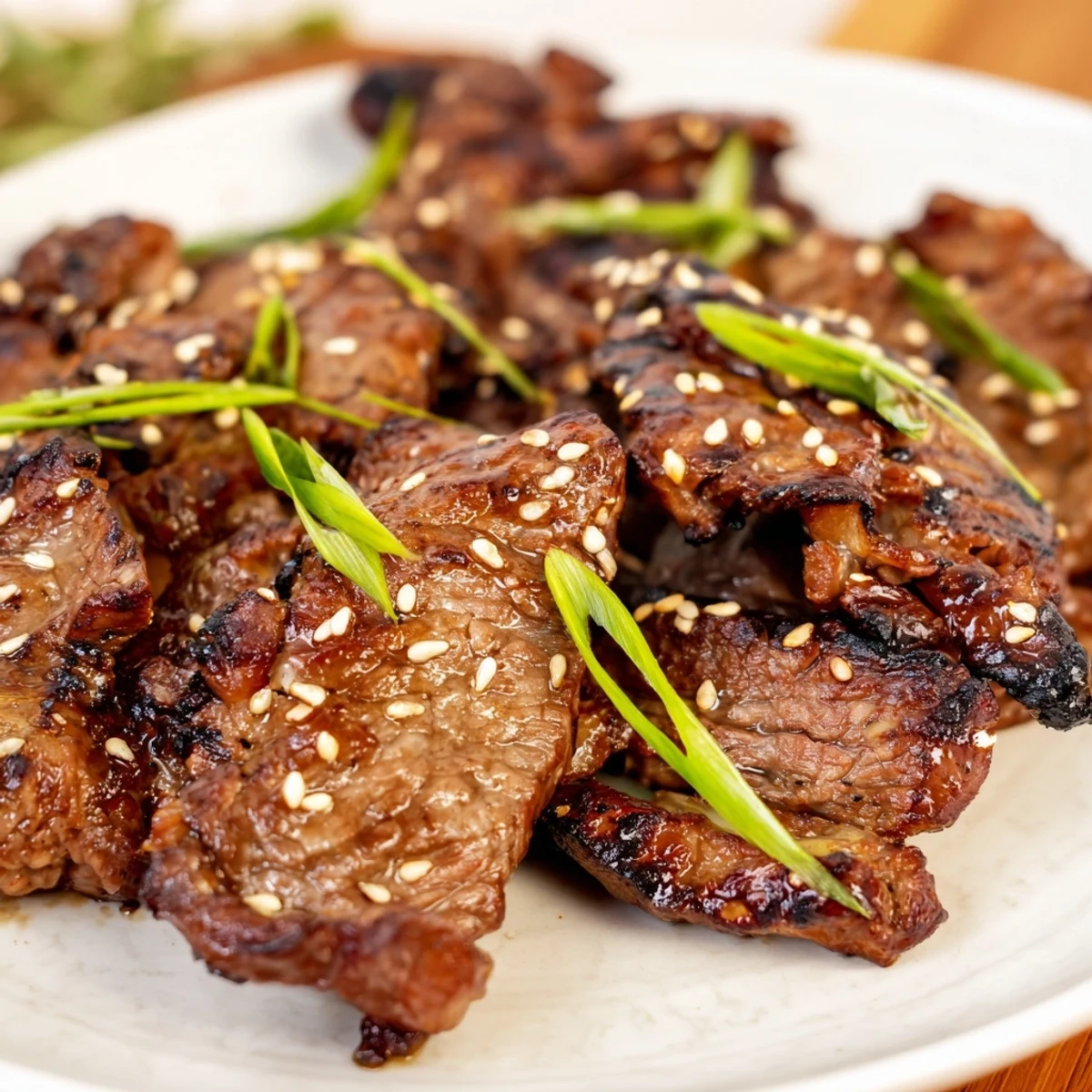
Save These Korean-style grilled beef short ribs feature a classic galbi marinade that delivers the perfect balance of sweet and savory flavors. The beef gets exceptionally tender after soaking in the Asian pear and soy-based sauce for several hours, developing deep umami notes that intensify on the grill. The high heat creates beautiful caramelization and slightly charred edges while keeping the meat juicy inside.
The traditional flanken cut allows the marinade to penetrate thoroughly, and the quick grilling time ensures the beef stays tender rather than tough. Serve these alongside steamed rice and kimchi for an authentic Korean BBQ experience at home. The marinade components like mirin, sesame oil, and grated ginger create that distinctive Korean flavor profile that's impossible to replicate with just soy sauce alone.
The first time I made galbi, my tiny apartment smelled like a Seoul night market for three days straight. My roommate kept poking her head into the kitchen, asking if we were having a barbecue at midnight. That's when I knew this marinade was something special.
I served these at my first real dinner party, standing over a portable grill on my balcony in November. Everyone huddled in coats, ribs in hand, and somehow the cold made the hot food taste even better. Now it's the only thing my friends request when they come over.
Ingredients
- 1.5 kg beef short ribs, flanken cut: The thinner cut (about 1/2 inch) is crucial here because it absorbs the marinade faster and cooks up quickly on the grill
- 120 ml soy sauce: Use tamari if you need this gluten-free, but regular soy sauce gives the deepest flavor
- 60 ml mirin or rice wine: This adds sweetness and helps the meat caramelize
- 2 tbsp brown sugar: Dark brown sugar gives a richer molasses flavor
- 2 tbsp honey: The honey helps create that sticky, lacquered finish on the grill
- 1 tbsp sesame oil: Toasted sesame oil adds that signature Korean aroma
- 1 Asian pear, grated: The enzymes actually break down proteins, making the meat incredibly tender
- 1/2 onion, grated: Grating releases more juices than chopping
- 4 garlic cloves, minced: Fresh garlic is non-negotiable here
- 2 tsp fresh ginger, grated: Peel it first for a cleaner taste
- 2 scallions, chopped: Add these to the marinade for depth
- 1 tbsp toasted sesame seeds: Toast them in a dry pan for 2 minutes until fragrant
Instructions
- Prep the ribs:
- Rinse the beef short ribs in cold water to remove any bone fragments from butchering, then pat them completely dry with paper towels so the marinade sticks properly.
- Mix the marinade:
- Whisk together soy sauce, mirin, water, brown sugar, honey, sesame oil, grated pear, grated onion, garlic, ginger, and black pepper until the sugar fully dissolves.
- Marinate:
- Add the ribs to the marinade, making sure every piece is coated, then cover and refrigerate for at least 4 hours or overnight, turning the ribs halfway through.
- Heat the grill:
- Preheat your grill or grill pan to medium-high heat until it's hot enough that you can only hold your hand above it for a few seconds.
- Grill to perfection:
- Lift the ribs from the marinade, let the excess drip off, and grill for 3 to 4 minutes per side until caramelized with slightly charred edges.
- Rest and serve:
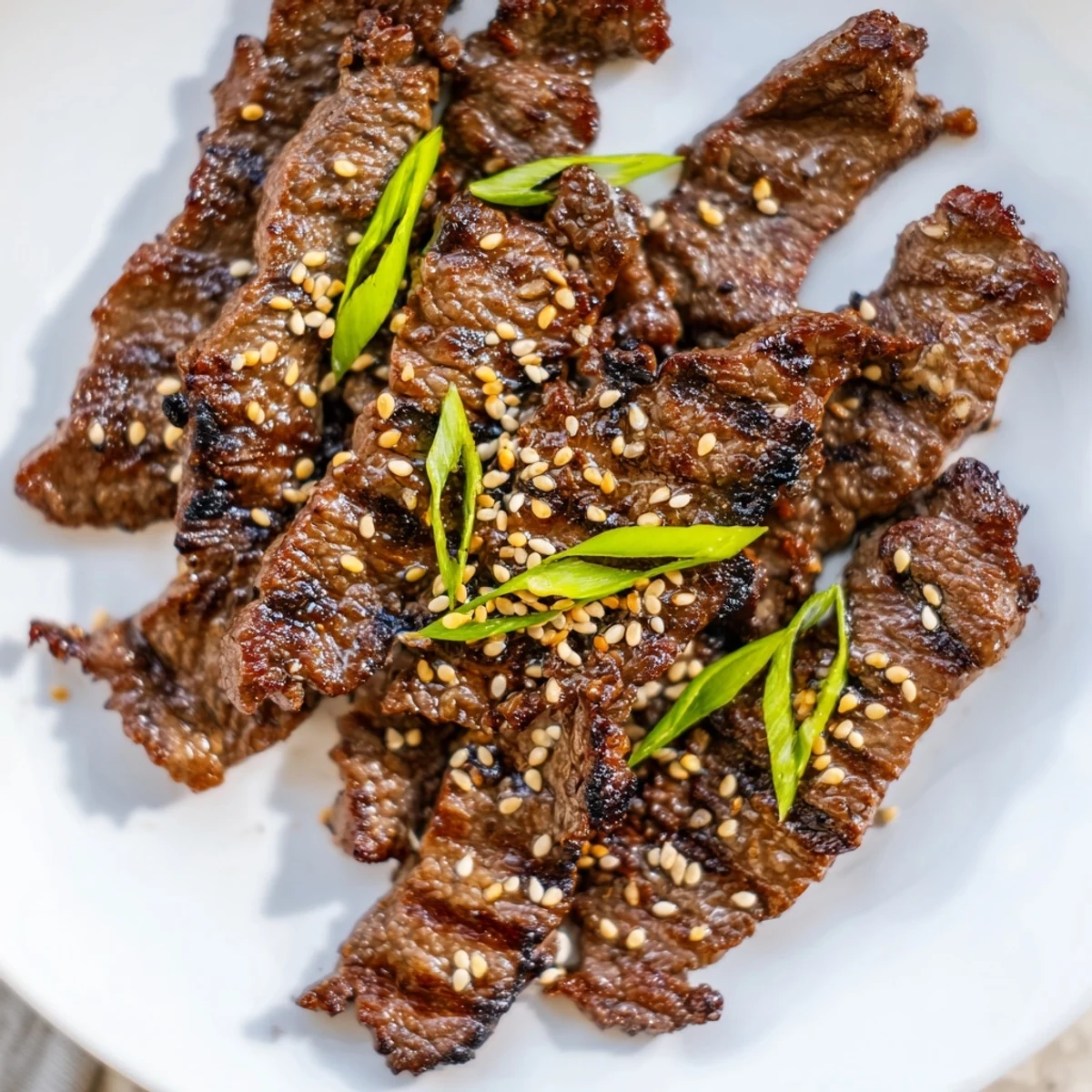
- Let the ribs rest for 5 minutes so the juices redistribute, then slice into pieces if you prefer and garnish with sliced scallions and sesame seeds.
 Save
Save Last summer, my dad tried to skip the resting step and burned his tongue on the first rib. He still claims it was worth it, but I've caught him waiting the full five minutes ever since.
Making It Gluten-Free
Swapping regular soy sauce for tamari or a certified gluten-free version works perfectly. I've served both versions to friends without telling them the difference, and nobody ever notices.
The Fruit Secret
Korean cooks have used fruit in marinades for generations because the natural enzymes break down tough muscle fibers. An Asian pear is traditional, but I've used Bosc pears in a pinch and they work beautifully.
Leftover Magic
Cold galbi the next morning, briefly warmed in a pan with a fried egg on top, might be even better than dinner. The flavors have melded overnight and become something entirely new.
- Wrap leftover ribs in lettuce leaves with ssamjang paste
- Chop them into fried rice with kimchi
- Keep the bones for making a rich broth later
 Save
Save There's something about standing around a grill with friends, ribs sizzling and drinks in hand, that makes even a Tuesday feel like a celebration.
Recipe FAQs
- → What cut of beef is best for galbi?
-
Flanken-cut beef short ribs are traditional for galbi. This cut is made by slicing across the bone, creating thin strips with multiple bone pieces. The 1/2-inch thickness allows the marinade to penetrate quickly and ensures even grilling.
- → How long should I marinate the ribs?
-
Marinate for at least 4 hours, but overnight (8-12 hours) yields the most flavorful and tender results. The enzymes in the Asian pear help break down connective tissue, making the beef exceptionally tender.
- → Can I use a regular grill instead of a grill pan?
-
Absolutely. An outdoor charcoal or gas grill works beautifully and adds authentic smoky flavor. Just preheat to medium-high and oil the grates lightly to prevent sticking. Grill for 3-4 minutes per side.
- → What can I substitute for mirin?
-
Dry sherry or sweet Marsala wine work well as substitutes. For a non-alcoholic option, use apple juice with a splash of rice vinegar. The sweetness helps balance the salty soy sauce in the marinade.
- → Why does the marinade include Asian pear?
-
Asian pear contains enzymes that naturally tenderize meat while adding subtle sweetness. It's a traditional ingredient in Korean marinades that also helps create a beautiful caramelized exterior during grilling.
- → How do I know when the ribs are done?
-
Look for caramelized edges and slight charring. The beef should feel firm but not hard, with an internal temperature of 145°F. Since the ribs are cut thin, they cook quickly—overcooking will make them tough.