
 Save
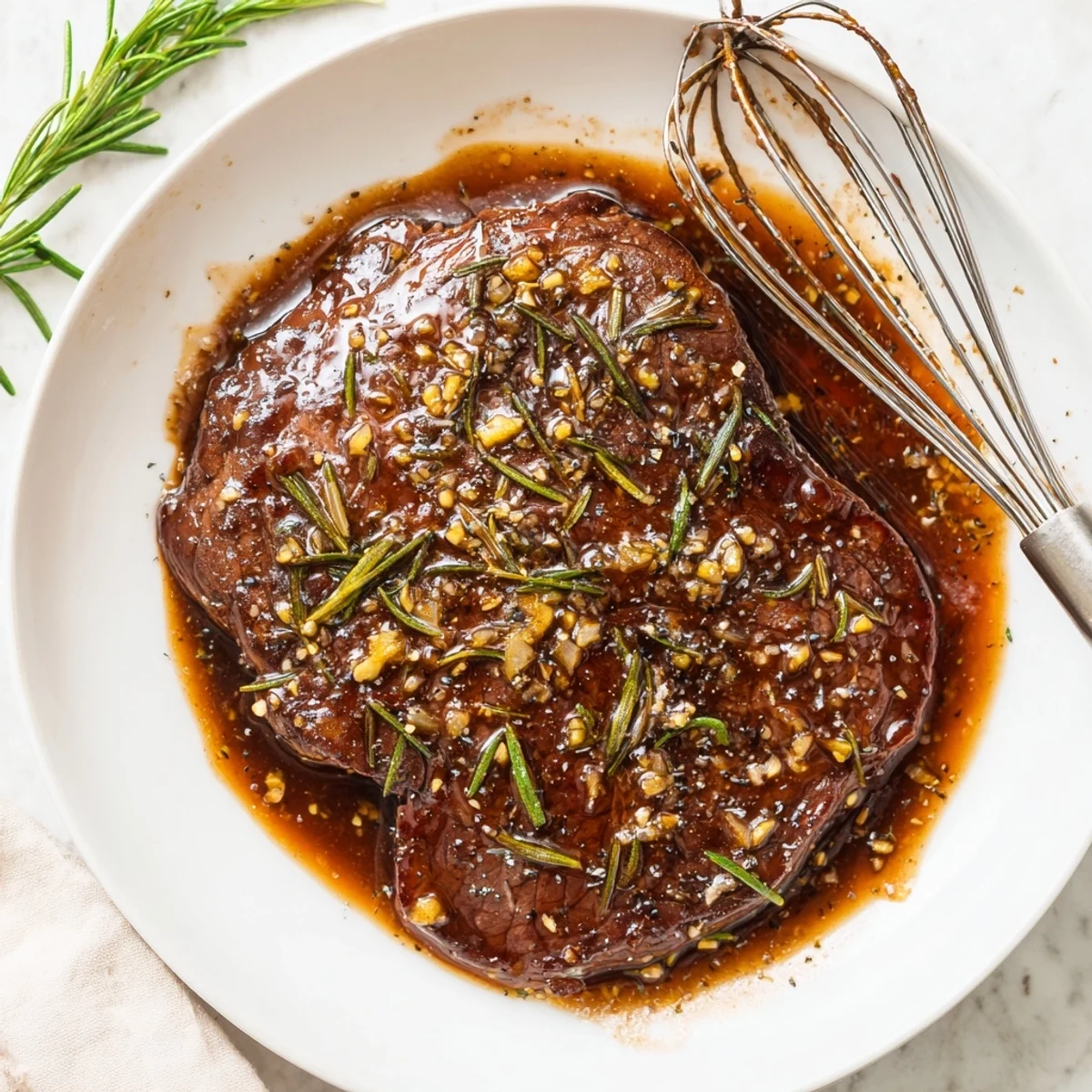
Save This soy-balsamic mixture combines soy sauce, olive oil, Worcestershire, balsamic and lemon with garlic, Dijon, brown sugar and rosemary to both flavor and tenderize steaks. Whisk, coat meat, refrigerate 2-24 hours and discard used marinade before cooking. Ideal for grilling, pan-searing or broiling; swap honey for brown sugar or add red pepper flakes for heat.
For a gluten-free option use tamari and GF Worcestershire. Pat steaks dry before searing for a better crust and let meat rest before slicing. Also works well on pork or chicken and pairs nicely with a robust red wine.
The first time I made this steak marinade, I was actually running late for a last-minute backyard cookout. The smell of crushed garlic and rosemary mixing with sharp balsamic hit me as soon as I started whisking, and I remember hoping the flavors would somehow save the fact that I had barely two hours to marinate the meat. As the steaks sizzled later, the compliments kept coming and I found myself quietly proud—no one needed to know it was a kitchen improvisation sparked by the clock. Since then, I've changed little about this recipe because it turns out necessity can make for fantastic flavor.
One summer evening, my brother showed up early and started chatting with me as I prepped the marinade, mostly to swipe spoonfuls of brown sugar when he thought I wasn't looking. By the time dinner rolled around, the kitchen was thick with laughter and the herby aroma that let everyone know steak was on the way. I realized then that it wasn’t just about the flavor, but the anticipation it built long before the first bite.
Ingredients
- Soy Sauce: The salty backbone; I've found using a good-quality soy amplifies the savoriness—lower sodium works just as well if you prefer subtlety.
- Olive Oil: Helps spread flavors and seals in juiciness; a mild, not too peppery oil lets the aromatics shine.
- Worcestershire Sauce: Adds a tangy, almost mysterious depth—don't skip it, but a gluten-free version swaps in easily if needed.
- Balsamic Vinegar: Balances richness and provides a mellow tartness; splash it in gently and taste as you go.
- Lemon Juice: Brightens everything; fresh squeezed makes a surprising difference, so it’s worth the extra squeeze.
- Garlic: Four cloves might sound like a lot, but you want every bit of its savory aroma—finely mince for less heat, smash for intensity.
- Dijon Mustard: Gives the finish a gentle tang and helps the marinade emulsify; a trick I picked up watching a friend whisk up dressings.
- Brown Sugar: Lends softness and subtle caramel notes—occasionally I’ve swapped in honey, and it’s delicious.
- Black Pepper: Cracked fresh for that spicy aroma right as you bite in; if you love a peppery crust, add a pinch extra.
- Rosemary: Easily overpowering, so I chop fresh leaves as finely as possible; dried works too when it’s all you’ve got.
- Onion Powder: More for background warmth than oniony punch—makes the marinade rounder somehow.
Instructions
- Mix the Base:
- Pour the soy sauce, olive oil, Worcestershire, balsamic, and lemon juice into a bowl. Whisk until the liquids take on a glossy brown hue and you can smell a savory tang.
- Add Flavor:
- Drop in garlic, Dijon, brown sugar, pepper, rosemary, and onion powder. Keep whisking—the aroma will tell you when it’s ready and every grain dissolves into the mixture.
- Marinate the Steaks:
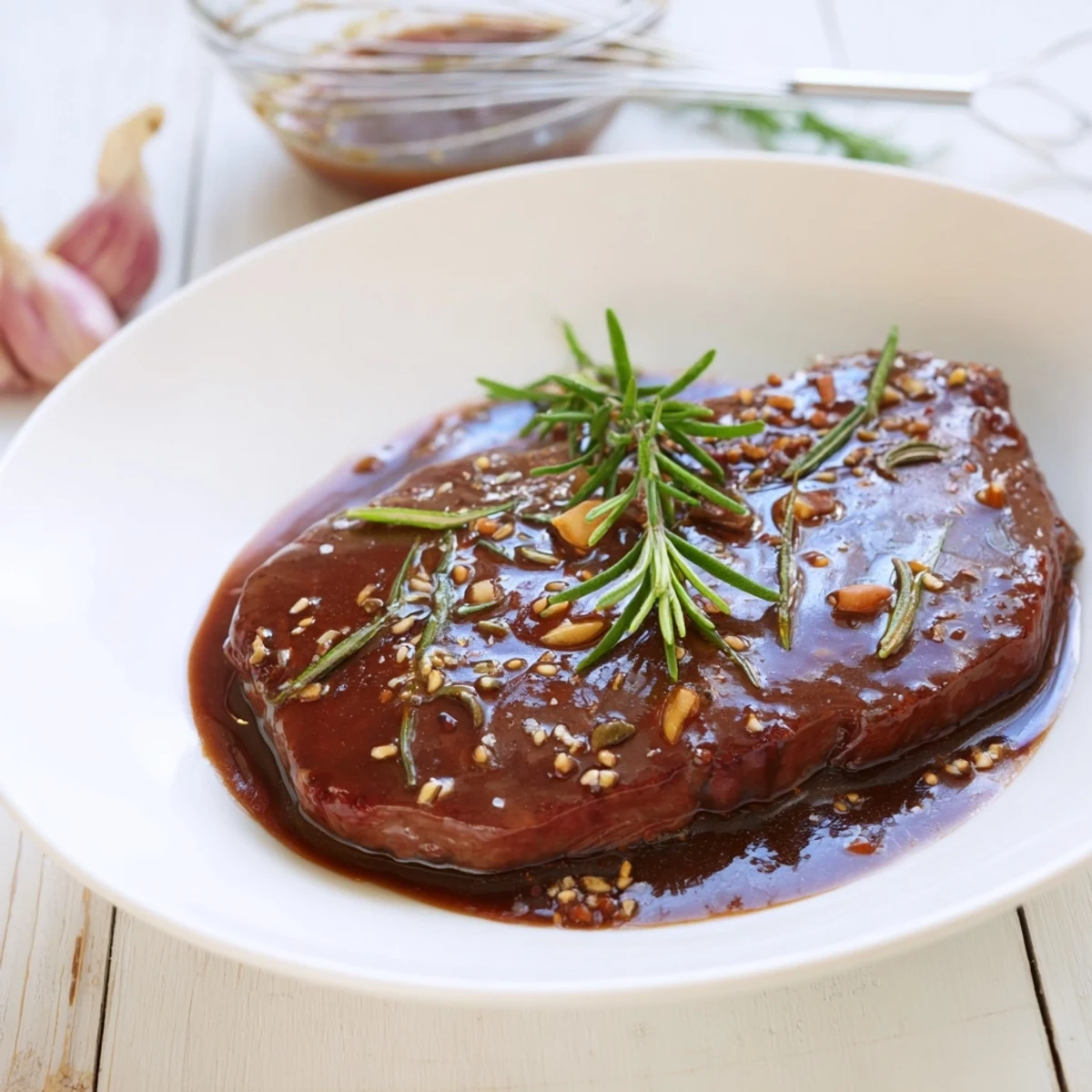
- Lay the steaks snug in a bag or shallow dish, then pour the marinade over to cover. Sometimes I use my hands (clean!) to make sure every part gets bathed in that herby, garlicky mix.
- Refrigerate and Flip:
- Seal or cover and refrigerate at least two hours or much longer if you’ve planned ahead; I turn the steaks whenever I remember, ideally once or twice.
- Prep to Cook:
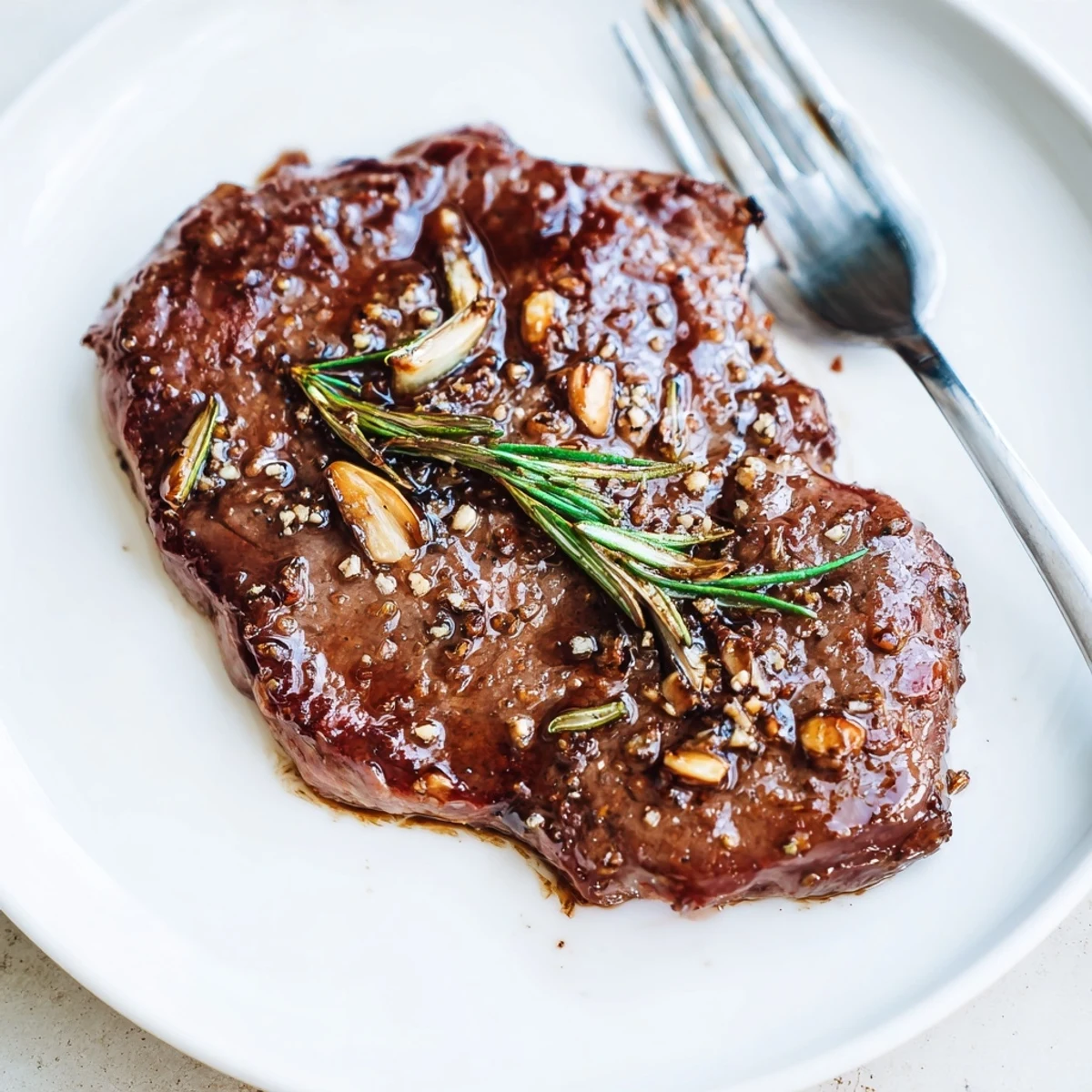
- Remove the steaks and pat dry—this step makes for better browning and avoids flare-ups; discard the used marinade and grill, sear, or broil to your favorite doneness.
 Save
Save When my friend took her first bite of a marinated steak at my table, her eyes actually widened in surprise, and for a second everyone paused to savor—no one reached for the salt, which almost never happens. That meal lingered much longer than planned, everyone nudging each other for another taste from the platter.
Small Details That Make a Big Difference
Whisking the marinade vigorously until it turns slightly opaque makes the oil and acids come together in a more velvety way—I only learned this after a few batches that looked separated but tasted flat. Little tricks like this come from watching, tasting, and sometimes failing your way to a better dinner.
What to Do with Leftover Marinade
Don’t reuse marinade that’s had raw meat in it, but you can set aside a couple of spoonfuls before adding the beef; drizzle it over roasted vegetables or whisk into a warm pan sauce. I often pour a splash over mushrooms or zucchini for a smoky, savory finish that ties the whole meal together.
Making It Work for Every Steak Night
Even with last-minute changes—subbing dried herbs when I’m out of fresh, or using tamari to keep it gluten-free—this marinade refuses to let me down in flavor. The best steak doesn’t demand a fancy cut, just enough time in this bold, aromatic bath.
- Always taste the marinade before adding the meat—tweak salt, acid, or sweetness while you still can.
- If marinating less than two hours, pierce the steak gently with a fork to help flavors sink in.
- Don’t skimp on turning the steaks as they soak; it makes flavor absorption more even.
 Save
Save I hope your kitchen fills with the same savory warmth I look forward to each time. Enjoy every bite—and don’t forget to let someone else handle the dishes for once.
Recipe FAQs
- → How long should steaks marinate?
-
Marinate at least 2 hours for noticeable flavor; 8-24 hours yields deeper tenderness and more pronounced aromatics. Avoid very thin cuts for extended marination to prevent texture breakdown.
- → Can I reuse the leftover marinade?
-
Do not reuse marinade that has contacted raw meat unless you boil it for several minutes to eliminate bacteria. For a safe sauce, reserve a portion before adding raw steaks or simmer the used marinade thoroughly.
- → Which cuts of beef work best with this mix?
-
Flank, skirt, strip, ribeye and sirloin all benefit—especially slightly tougher cuts that respond to acid and salt. Adjust marination time: longer for tougher cuts, shorter for tender steaks.
- → How can I make this gluten-free?
-
Swap traditional soy sauce and Worcestershire for tamari and a certified gluten-free Worcestershire alternative. Check labels for hidden gluten in prepared condiments.
- → Any tips for getting a great sear?
-
Pat steaks dry before cooking to reduce surface moisture, preheat the pan or grill until very hot, and finish on indirect heat if needed. Rest meat a few minutes before slicing to retain juices.
- → Can I use this marinade for other proteins?
-
Yes. It pairs well with pork chops and chicken breasts; reduce marination time for delicate poultry (30 minutes to 2 hours) to avoid over-tenderizing.