
 Save
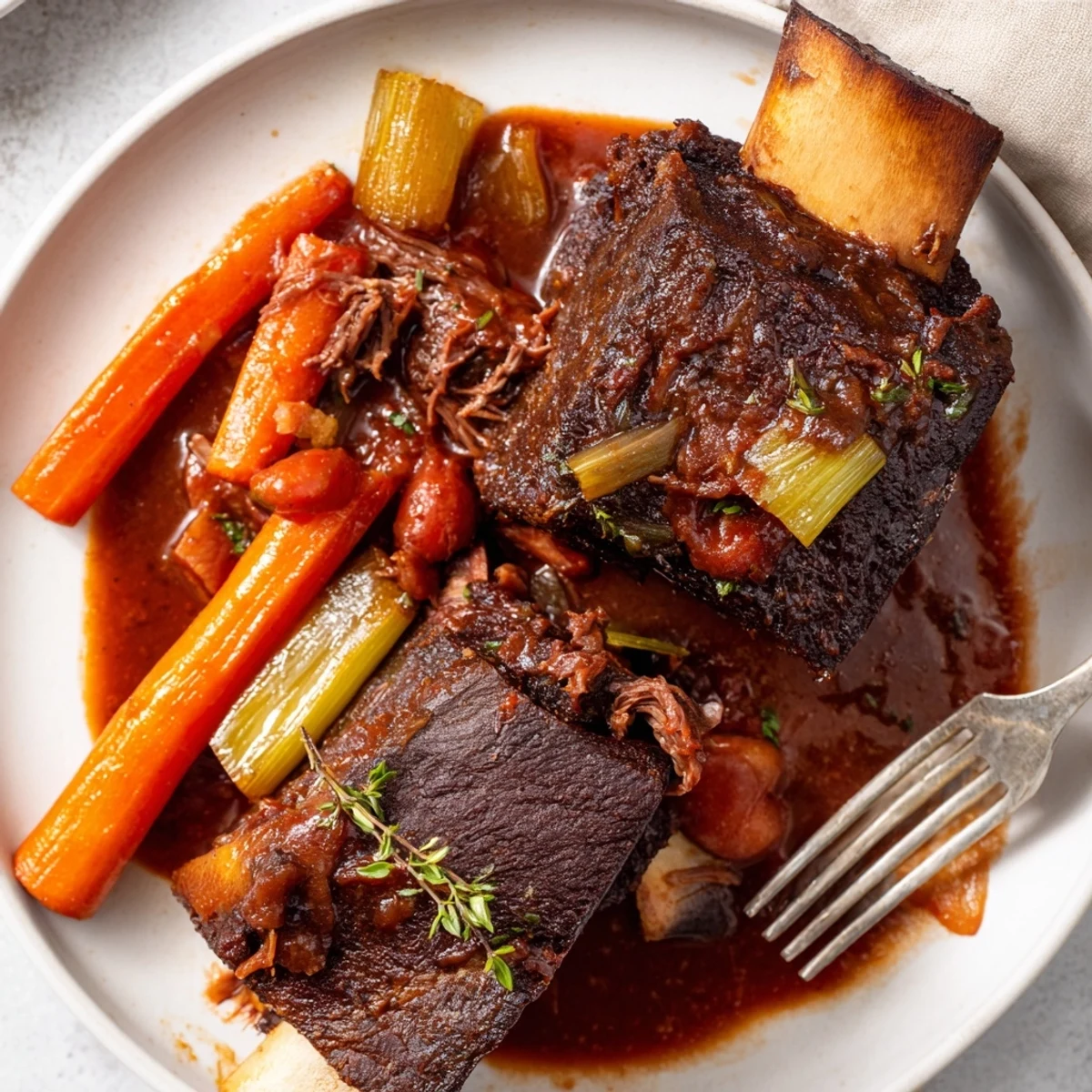
Save Brown bone-in short ribs in a skillet, then transfer to the slow cooker with chopped onion, carrots, celery and garlic. Add red wine, beef broth, tomato paste and Worcestershire, along with thyme, rosemary and bay leaves. Cook on low about eight hours until meat falls from the bone. Skim fat, discard herbs, optionally thicken sauce with a cornstarch slurry, and serve with mashed potatoes, polenta or crusty bread.
There’s something oddly soothing about the gentle bubble and hum of a slow cooker on a cold afternoon. The first time I decided to try beef short ribs this way, the house filled with a savory aroma so inviting that my neighbor popped by, just to see what was cooking. That thick, rustic scent of wine and herbs tangled with the promise of fork-tender beef felt like a warm invitation through every room. Honestly, it’s the kind of meal that makes the day feel a little more special for everyone around.
One chilly Saturday, I set the slow cooker early before tackling a pile of laundry, only to be drawn back into the kitchen by the rich, garlicky scent by lunchtime. My partner couldn't resist lifting the lid (a big no-no, but I forgive him) just for a peek. By dinner, the ribs were a buttery, irresistible treat we shared straight from the pot. Moments like that remind me how the smallest efforts in the kitchen have a way of bringing people together.
Ingredients
- Beef short ribs: Marbled, bone-in ribs give the dish its signature richness—choose meaty pieces and trim excess fat if you like a lighter broth.
- Onion: Gives a sweet, mellow backbone to the sauce; don't be shy about using a big one.
- Carrots: Add earthy sweetness and hold their shape well in the slow cooker.
- Celery: Lends an aromatic lift and a gentle herbal note.
- Garlic: Freshly minced garlic infuses the sauce; if you adore garlic, add an extra clove.
- Beef broth: Enriches the sauce—I use low-sodium and add salt to taste at the end.
- Dry red wine: Brings depth and a touch of sophistication; use a wine you enjoy drinking.
- Tomato paste: Concentrates the savory umami, and helps create a lush sauce.
- Worcestershire sauce: Adds a tangy, complex background note; check the label for allergens.
- Salt and black pepper: Sprinkle generously for full flavor, but taste the sauce before adding extra.
- Fresh thyme and rosemary: These herbs infuse the whole dish with woodsy fragrance—tie them in a bundle for easy removal later.
- Bay leaves: A subtle but necessary addition for that classic slow-cooked flavor.
- Cornstarch (optional): Stirred in at the end, this thickens the sauce if you want it extra glossy and spoonable.
Instructions
- Season and sear:
- Rub salt and pepper all over the short ribs, then brown them on all sides in a hot skillet for a caramelized crust.
- Soften the veggies:
- Sauté onions, carrots, celery, and garlic in the same skillet until their edges just start to turn golden and the scent is irresistible.
- Layer in the slow cooker:
- Place the ribs on the bottom, pile the sautéed veggies over top, and tuck everything in gently.
- Add liquids and flavorings:
- Pour in the beef broth and red wine—listen for the hiss—then stir in the tomato paste and Worcestershire sauce to meld everything together.
- Herb time:
- Lay thyme, rosemary, and bay leaves over the mix, like a tiny green forest atop a mountain.
- Let it cook:
- Cover tightly and cook on LOW for about 8 hours, resisting the urge to peek as the kitchen slowly fills with savory perfume.
- Finishing touches:
- Skim any fat off the surface, remove herb sprigs and bay leaves, and if you want, stir in the cornstarch mixture and let it simmer until thickened.
- Serve and savor:
- Spoon the ribs and vegetables onto plates, drizzle with sauce, and soak up every bit with your favorite side.
 Save
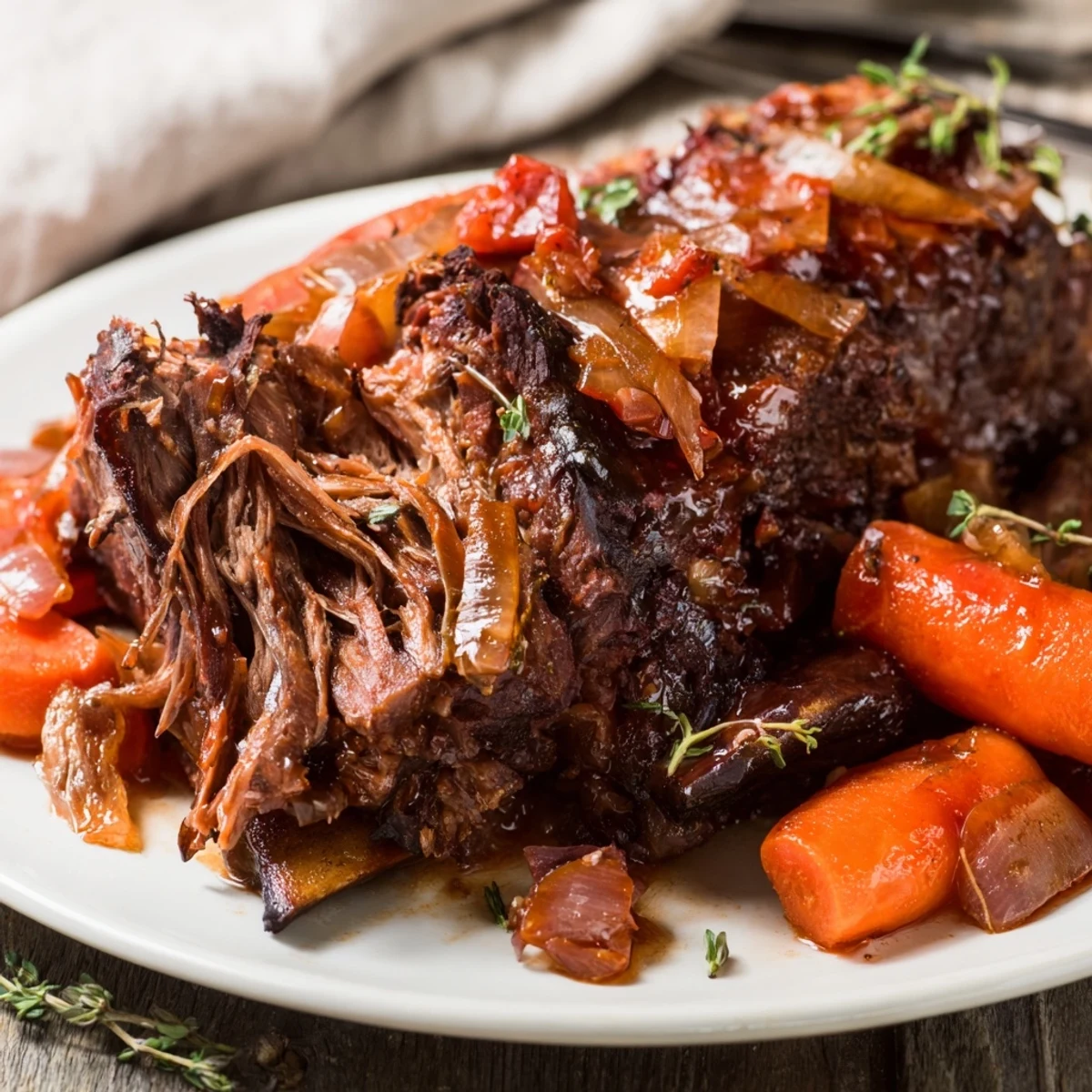
Save After a long hike once, I came home exhausted and ravenous to find the slow cooker working its magic. Tucking into those meltingly tender ribs, it felt like a reward earned and shared, the kind of meal that lifts the spirits on even the grayest day.
When To Make These Short Ribs
These short ribs shine on cozy winter nights, but I’ve even made them for a summertime dinner with friends when I didn’t want to heat up the oven. They’re low effort, low mess, and the slow cooker does all the heavy lifting, freeing you up for everything else life asks of you. Honestly, don’t wait for a special occasion—let the meal make any day extraordinary.
Making It Ahead And Reheating
I’ve discovered these ribs are even better the next day, as the flavors deepen and any excess fat solidifies, making it easy to skim off. Just reheat gently on the stove and the meat will stay tender. The sauce thickens overnight, too, so if you want it saucier, add a splash of broth when reheating.
Easy Ways To Change It Up
Swap in parsnips or sweet potatoes for the carrots for a subtle twist, or try using fresh parsley as a finishing sprinkle for brightness. If you’re out of wine, all broth works—it’s still delicious. Make it your own—it’s almost impossible to mess up these ribs.
- If you want extra richness, add a splash of balsamic vinegar before serving.
- Leftovers make incredible shredded beef for sandwiches.
- Serve with creamy polenta for a restaurant-worthy presentation.
 Save
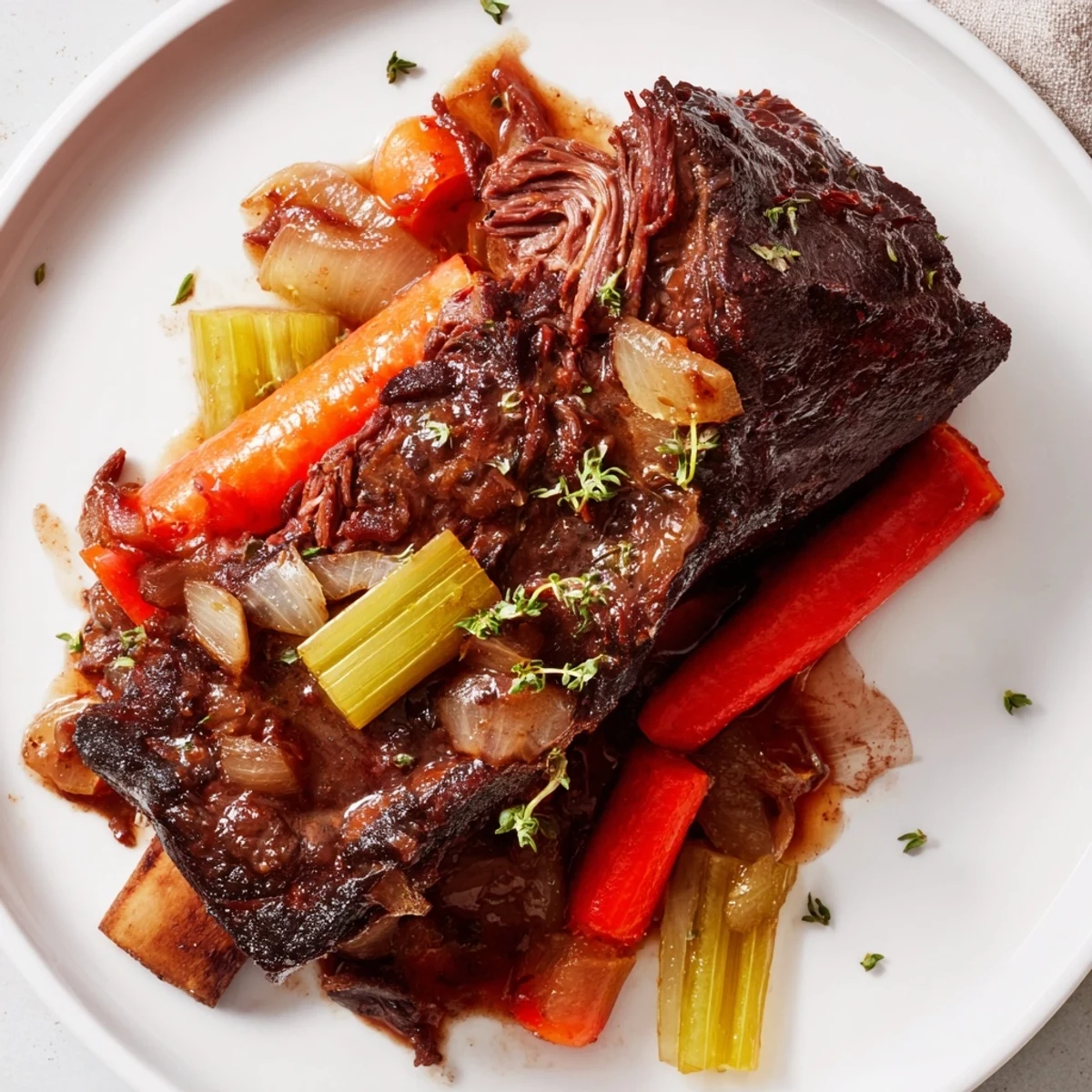
Save Letting this dish bubble away in the background always feels like a little gift to myself. Wherever and whenever you make it, I hope it brings as much comfort to your table as it has to mine.
Recipe FAQs
- → Can I use boneless short ribs instead of bone-in?
-
Bone-in ribs add depth and mouthfeel, but boneless can be used. Expect slightly different texture; check doneness earlier and reduce total cooking time if pieces are thinner.
- → How do I thicken the braising sauce?
-
Stir a cornstarch slurry (equal parts cornstarch and cold water) into the hot sauce and cook on high 10–15 minutes until thickened, or remove ribs and reduce the sauce on the stovetop to concentrate flavor.
- → What can I substitute for red wine?
-
Use additional beef broth with a splash of balsamic vinegar or a little extra tomato paste to mimic acidity and depth if you prefer an alcohol-free option.
- → How can I tell when the ribs are done?
-
The ribs are ready when the meat is very tender and easily pulls away from the bone; a fork should slide through the meat with little resistance.
- → Do I need to sear the ribs first?
-
Searing adds a browned crust and deeper flavor, but you can skip it for convenience; expect slightly less caramelized sauce when you do.
- → How should I store and reheat leftovers?
-
Cool and refrigerate up to 3–4 days. Reheat gently in a covered pan over low heat or in the oven; add a splash of broth if the sauce has thickened too much.