
 Save
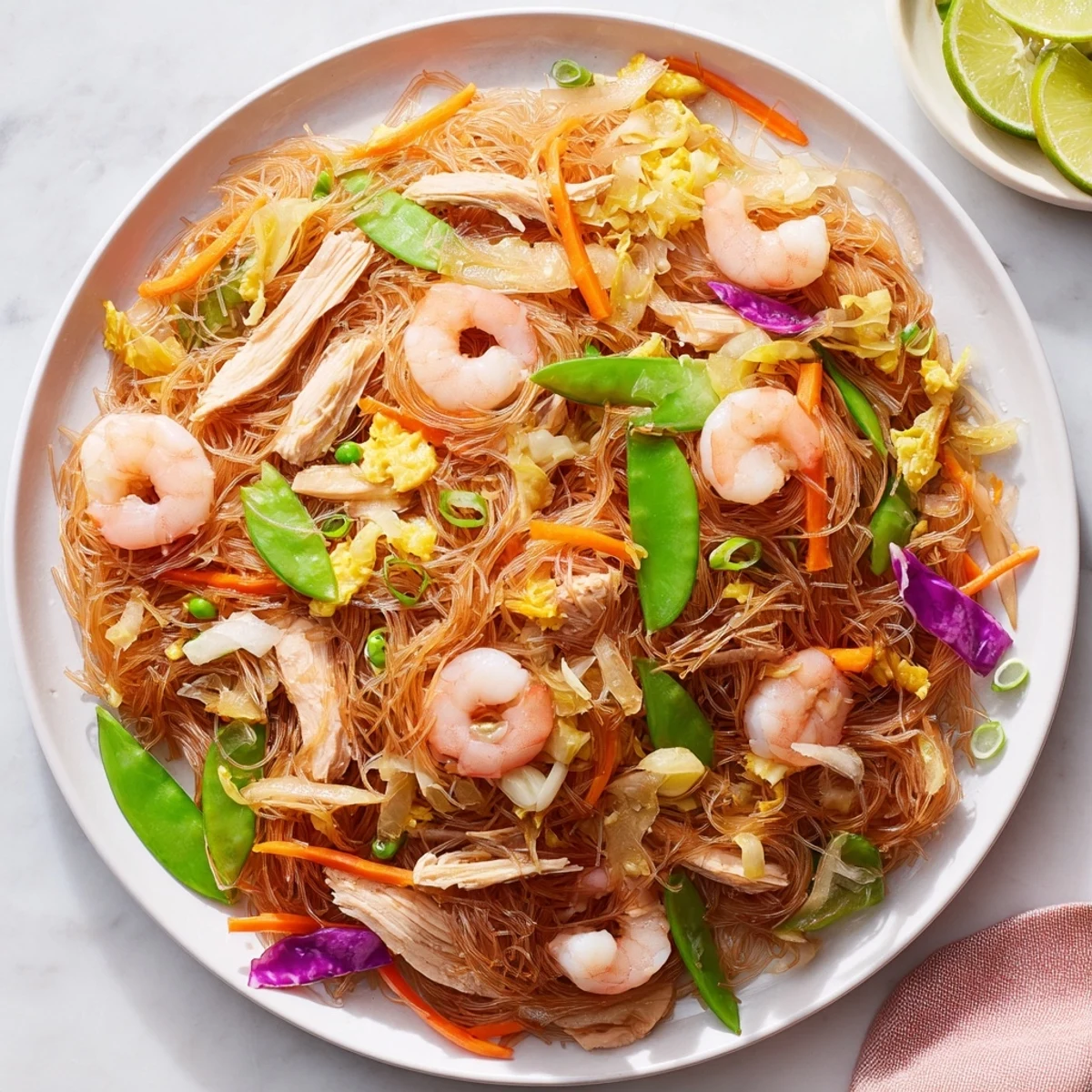
Save Experience the authentic flavors of Filipino cuisine with this traditional Pancit Bihon, featuring delicate rice vermicelli noodles wok-tossed with succulent chicken and plump shrimp. The dish brings together crisp vegetables like carrots, cabbage, and snow peas, all coated in a rich umami sauce crafted from soy, oyster sauce, and fish sauce. Ready in just 40 minutes, this beloved dish captures the essence of Filipino celebration food while being perfect for hearty weeknight dinners.
The sizzle of garlic hitting hot oil always pulls me into the kitchen, no matter what I was doing. I first made pancit bihon on a rainy Tuesday when my roommate brought home rice noodles from the Asian market. Now the steam rising from the wok, carrying soy and citrus, feels like an old friend stopping by.
Last summer I made this for a potluck, and three different people asked for the recipe before they even finished their first plate. The way the tender shrimp, sweet carrots, and that final squeeze of calamansi come together somehow turns a simple noodle dish into something people remember.
Ingredients
- 200 g boneless, skinless chicken breast: Slice it thin against the grain so it stays tender through the high heat stir fry
- 100 g medium shrimp: Peeled and deveined saves time, but leave the tails on if you want that restaurant style presentation
- 200 g dried bihon rice noodles: These thin vermicelli noodles are the heart of the dish, soaking up all that sauce beautifully
- 1 small carrot, julienned: Matchstick cuts give you that satisfying crunch in every forkful
- 1 cup green cabbage, shredded: Adds sweetness and texture without overpowering the delicate noodles
- 1/2 cup snow peas: Leave them whole or halved, they bring a fresh snap that balances the soft noodles
- 1 small onion and 3 cloves garlic: This aromatic base is non negotiable, it is where all the flavor begins
- 2 tbsp soy sauce and 1 tbsp oyster sauce: The umami power couple that gives pancit its soul
- 1 tsp fish sauce: Just enough to deepen the flavor without making the dish taste fishy
- 1 cup chicken broth: Creates that silky sauce that coats every strand of noodle
- 2 tbsp chopped scallions: Fresh oniony brightness right at the end
- 1 lemon or calamansi, cut into wedges: That final squeeze makes everything pop
Instructions
- Prep the noodles:
- Soak bihon in warm water for 10 minutes until softened, then drain well so they do not turn mushy later
- Build your aromatics:
- Heat oil in a wok over medium high heat, sauté garlic and onion until fragrant and translucent
- Cook the proteins:
- Add chicken first, cook until lightly browned and cooked through, then toss in shrimp until pink, about 2 minutes
- Set aside and start vegetables:
- Remove proteins from the pan, then stir fry carrots, cabbage, and snow peas for 2 to 3 minutes until just tender
- Bring it all together:
- Return proteins to the pan, pour in soy sauce, oyster sauce, fish sauce, and broth, bring to a simmer
- Add the noodles:
- Toss in drained bihon, use tongs to gently combine everything, let noodles absorb the sauce for 3 to 4 minutes
- Season and serve:
- Finish with black pepper, adjust seasoning if needed, then top with scallions and serve with citrus wedges
 Save
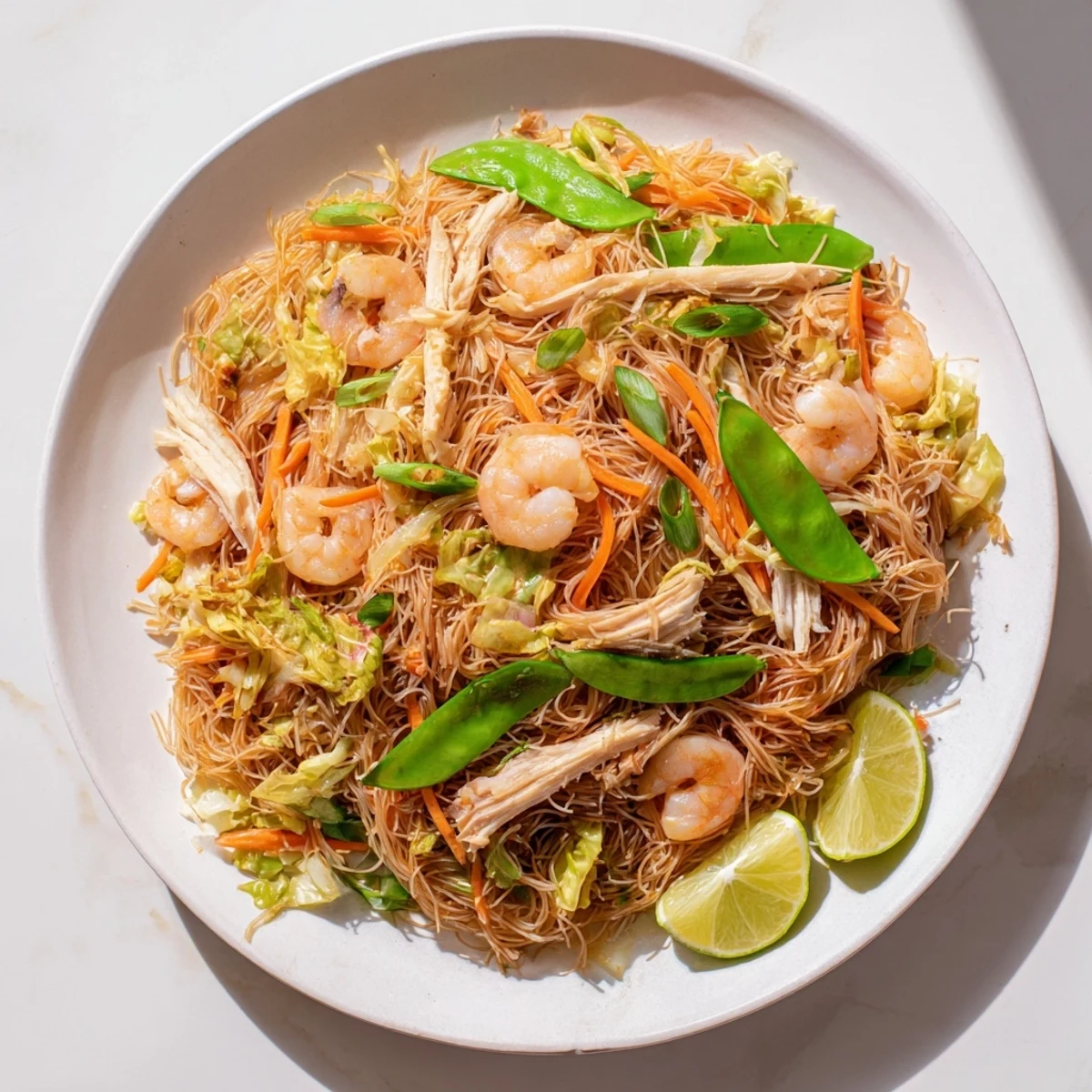
Save My grandmother would say that good pancit brings people together, and I have found that to be true every single time. Something about gathering around a platter of steaming noodles makes conversations flow easier.
Getting The Texture Right
The secret is in the noodle timing. Add them to the sauce at the very end, toss gently just until coated and heated through. Overcooking turns bihon into a sad, clumpy mess instead of those slippery, separate strands we want.
The Sauce Balance
I learned the hard way that you can always add more soy sauce but you cannot take it back. Start with less, taste as you go, and remember that the flavors concentrate slightly as the noodles absorb the liquid. That splash of calamansi at the end? Non negotiable, it cuts through the richness and brightens everything.
Making It Your Own
The beauty of pancit bihon is how forgiving it is. I have made versions with whatever vegetables were lingering in my crisper drawer, added more protein when feeding hungry teenagers, and even swapped the broth for a lighter version when I wanted something less rich.
- Add sliced bell peppers for color and sweetness
- Toss in some baby corn or bok choy for extra vegetables
- Make it spicy with sliced chilies in the aromatic stage
 Save
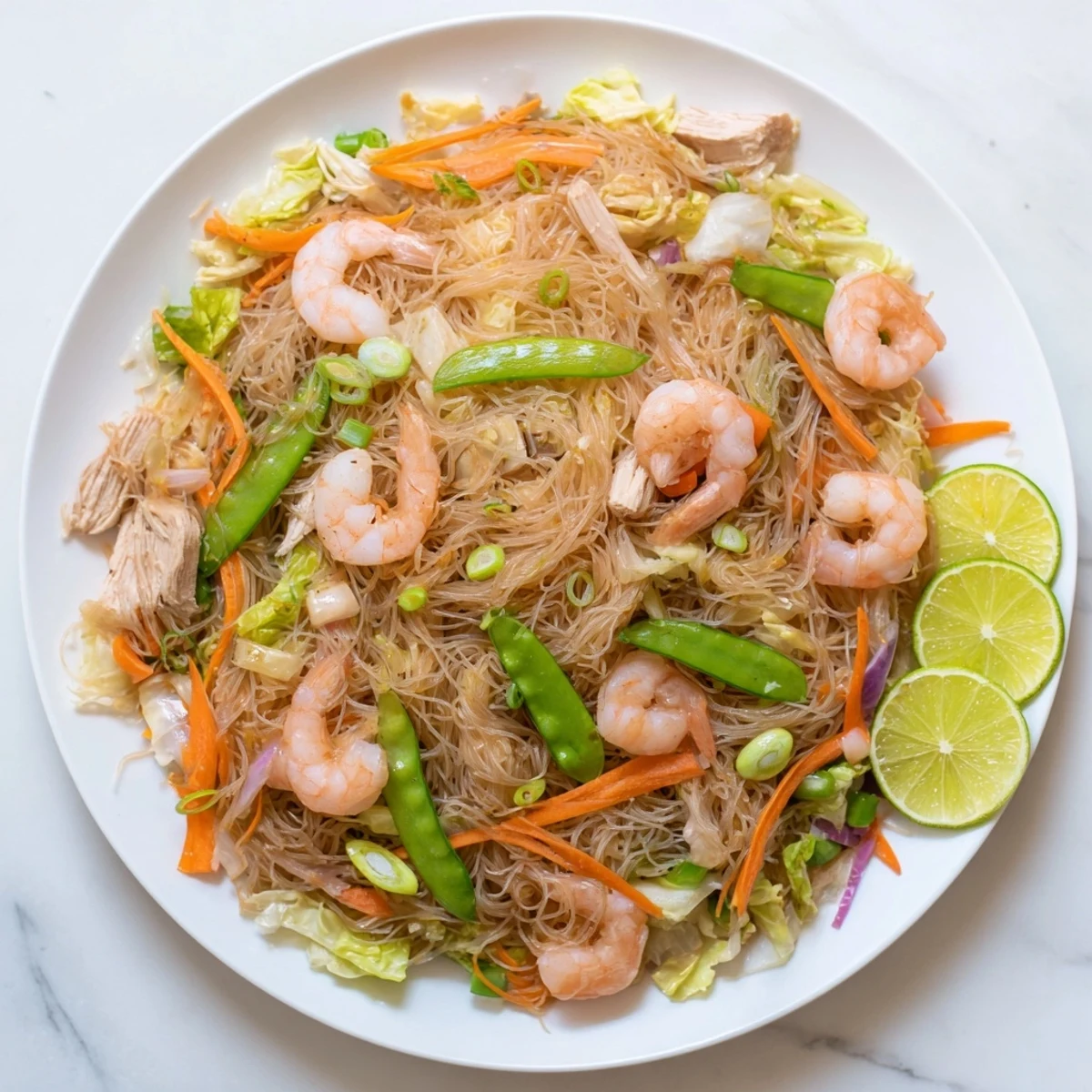
Save Whether it is a weeknight dinner or a weekend gathering, this dish never fails to bring people back for seconds. That squeeze of fresh citrus at the end is like waking everything up.
Recipe FAQs
- → What makes Pancit Bihon authentic?
-
Authentic Pancit Bihon features thin rice vermicelli noodles (bihon) stir-fried with a combination of proteins and vegetables in a savory soy-based sauce. The key lies in the balance of soy sauce, oyster sauce, and fish sauce, along with the traditional technique of soaking noodles before cooking to achieve perfect texture.
- → How do I prevent the noodles from becoming mushy?
-
Soak the rice noodles in warm water for exactly 10 minutes until softened but still firm. Drain thoroughly and add them to the pan last, allowing them to absorb the sauce while cooking just 3-4 minutes. Avoid over-soaking or overcooking to maintain the perfect tender-crisp texture.
- → Can I make this dish vegetarian?
-
Absolutely. Simply omit the chicken and shrimp, replacing them with firm tofu cubes or additional vegetables. Substitute chicken broth with vegetable broth and ensure your oyster sauce is vegetarian-friendly. The dish remains delicious and satisfying while accommodating plant-based diets.
- → What vegetables work best in Pancit Bihon?
-
Traditional choices include julienned carrots, shredded cabbage, and snow peas for their crisp texture and color contrast. You can also add bell peppers, celery, bok choy, or snap peas. The key is using vegetables that maintain some crunch after stir-frying.
- → How should I serve and store Pancit Bihon?
-
Serve immediately garnished with fresh scallions and calamansi or lemon wedges for a bright citrus kick. The dish pairs beautifully with white wine or light lager. Store leftovers in an airtight container for up to 3 days; reheat gently in a pan with a splash of water to refresh the noodles.
- → What's the difference between Pancit Bihon and Pancit Canton?
-
Pancit Bihon uses thin rice vermicelli noodles made from rice flour, while Pancit Canton features wheat-based egg noodles. Bihon has a delicate, slightly translucent appearance when cooked, whereas Canton noodles are yellow and more substantial. Both use similar protein and vegetable combinations.