
 Save
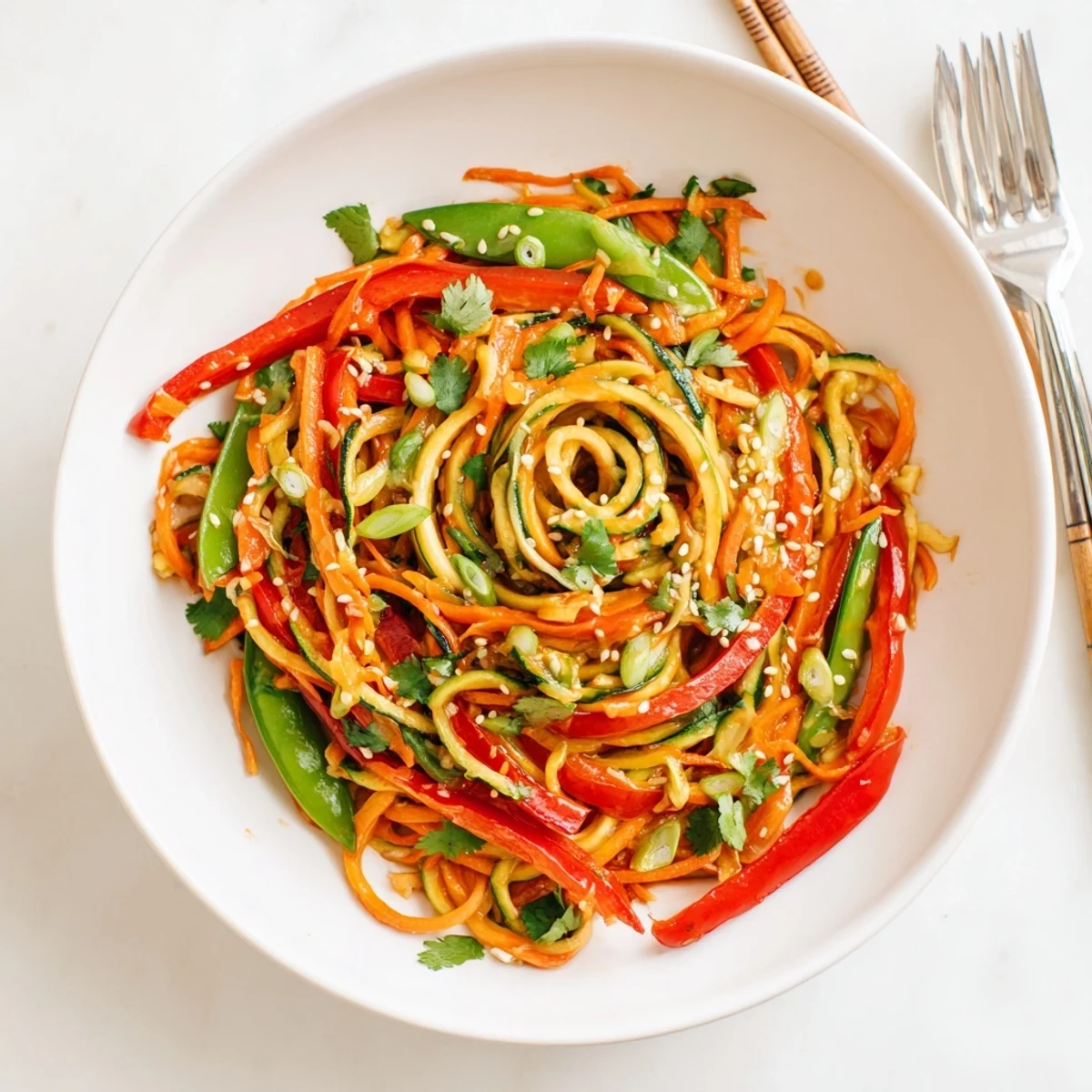
Save These vibrant zucchini noodles offer a light, satisfying twist on traditional stir-fry. The spiralized vegetables absorb the rich homemade teriyaki glaze while maintaining their crunch. Ready in under 30 minutes, this dish balances savory and sweet flavors with fresh vegetables for a quick, nourishing meal.
I discovered zucchini noodles on a rainy Tuesday when my CSA box overflowed with summer squash. Desperate for something besides roasted vegetables, I spiralized everything in sight and stumbled upon this teriyaki creation. The way the sauce clings to those vegetable ribbons still makes me absurdly happy every time.
My sister was skeptical when I served her vegetable noodles for dinner. After one bite she demanded I teach her how to spiralize anything that would fit in the machine. Now she texts me photos of spiralized sweet potatoes and butternut squash like shes discovered a new continent.
Ingredients
- 3 medium zucchini, spiralized: Fresh zucchini creates the best texture. Skip the watery ones that have been sitting in your crisper drawer for weeks.
- 1 red bell pepper, thinly sliced: The sweetness balances the salty teriyaki perfectly.
- 1 medium carrot, julienned: Adds essential crunch and a pop of color that makes the whole dish feel vibrant.
- 2 green onions, sliced: These go in at the end so they stay bright and fresh.
- 1 cup snap peas, trimmed: Look for pods that snap crisply when you bend them.
- 2 cloves garlic, minced: Fresh garlic makes all the difference here.
- 1 teaspoon fresh ginger, grated: Peel it first with a spoon for easiest handling.
- 3 tablespoons gluten-free soy sauce: Tamari works perfectly for keeping this gluten free.
- 1 tablespoon honey or maple syrup: Honey gives a deeper flavor but maple syrup keeps it vegan.
- 1 tablespoon rice vinegar: This cuts through the sweetness beautifully.
- 1 teaspoon sesame oil: Toasted sesame oil adds that unmistakable Asian flavor.
- 1 teaspoon cornstarch: This is what transforms the sauce into something glossy and coating.
- 2 tablespoons water: Helps dissolve everything before the sauce thickens.
- 1 tablespoon toasted sesame seeds: Toast them in a dry pan for extra nuttiness.
- 1 tablespoon chopped fresh cilantro: Optional but adds such a fresh finish.
Instructions
- Whisk together your sauce:
- Combine soy sauce, honey, rice vinegar, sesame oil, cornstarch, and water in a small bowl until completely smooth. Set it near the stove so you are ready to pour.
- Get your pan nice and hot:
- Heat a large nonstick skillet or wok over medium-high heat until you can feel the warmth rising. Add a splash of oil if your pan needs it.
- Wake up the aromatics:
- Add garlic and ginger, stirring constantly for just 30 seconds until the smell fills your kitchen. Do not let them brown or they will taste bitter.
- Start with the harder vegetables:
- Add bell pepper, carrot, and snap peas to the pan. Stir fry for 2 to 3 minutes until they are just tender but still have plenty of crunch.
- Add the zucchini noodles:
- Toss in the spiralized zucchini and stir gently for 2 to 3 minutes. You want them softened but still with some texture.
- Bring it all together with sauce:
- Pour the teriyaki sauce over the vegetables and toss well. Cook for 1 to 2 minutes until the sauce thickens and coats everything in glossy goodness.
- Finish with freshness:
- Remove from heat immediately and stir in the green onions. Serve right away with sesame seeds and cilantro scattered on top.
 Save
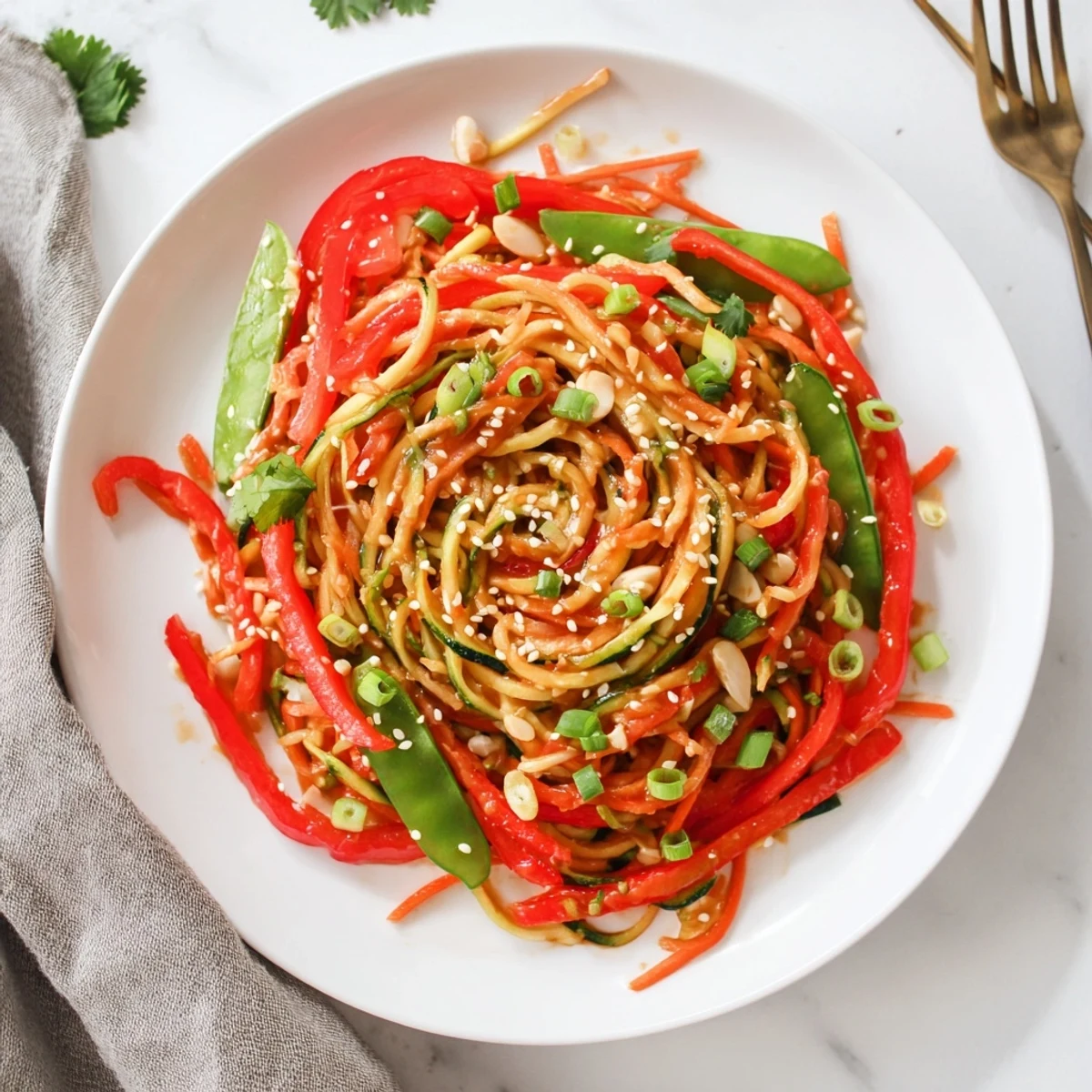
Save This recipe became my go-to when I started eating more plant based meals but still craved big flavors. Now it is a regular in our dinner rotation even when we are not trying to be healthy.
Making It Your Own
I have added baked tofu cubes and they absorbed the sauce beautifully. For extra protein, grilled chicken works if you eat meat. The vegetables are completely flexible based on what you have.
Perfecting The Sauce
Taste your sauce before adding it to the pan. Everyone likes different balances of sweet and salty. Adjust now rather than trying to fix it later.
Serving Suggestions
This makes enough for two generous portions or three lighter servings. I like it on its own but it works alongside steamed rice or quinoa if you want more substance.
- Serve immediately while the noodles are still crisp and the sauce is glossy
- Leftovers keep for one day but the texture will soften significantly
- Reheat gently in a pan rather than the microwave to preserve some texture
 Save
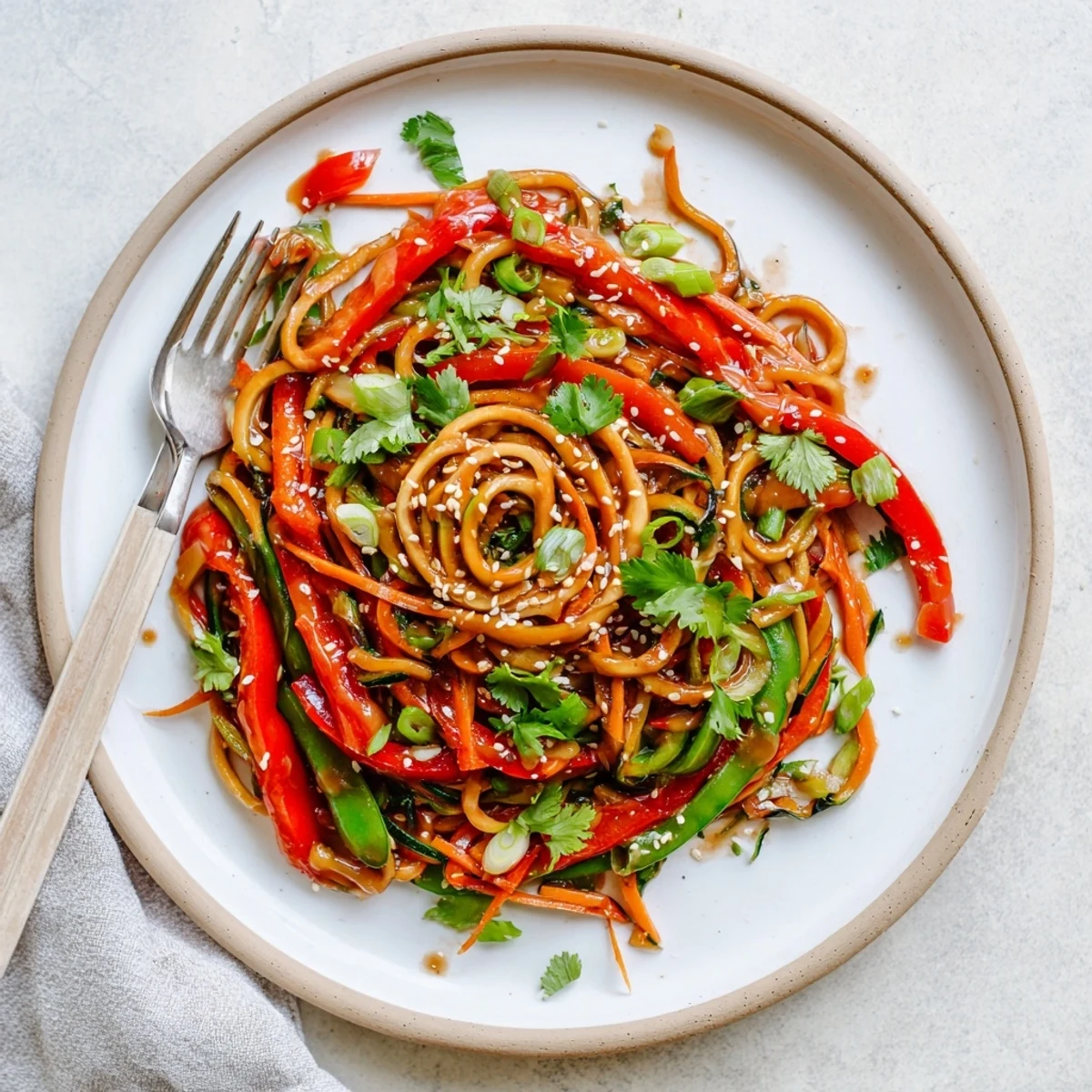
Save This dish reminds me that healthy food can be exciting and satisfying. Hope it becomes a favorite in your kitchen too.
Recipe FAQs
- → How do I prevent zucchini noodles from becoming watery?
-
Cook the zucchini noodles briefly over medium-high heat, just until softened but still crisp. Avoid overcrowding the pan, which causes steaming instead of stir-frying. Serve immediately after tossing with sauce.
- → Can I make the teriyaki sauce ahead of time?
-
Yes, whisk the sauce ingredients together and store in an airtight container in the refrigerator for up to one week. The cornstarch may settle, so give it a good stir or shake before using.
- → What vegetables work best in this dish?
-
Bell peppers, snap peas, and carrots provide excellent crunch and color. You can also add shiitake mushrooms, bok choy, or broccoli florets. Choose vegetables that cook quickly and maintain texture when stir-fried.
- → How can I add protein to make it more filling?
-
Baked tofu, edamame, or shredded chicken breast pair beautifully with these flavors. Add cooked protein during the last 2 minutes of cooking to heat through without overcooking the vegetables.
- → Is this suitable for meal prep?
-
The sauce can be prepared in advance and stored separately. For best texture, cook the vegetables fresh rather than reheating, as zucchini noodles continue to release moisture and become soft when stored.