
 Save
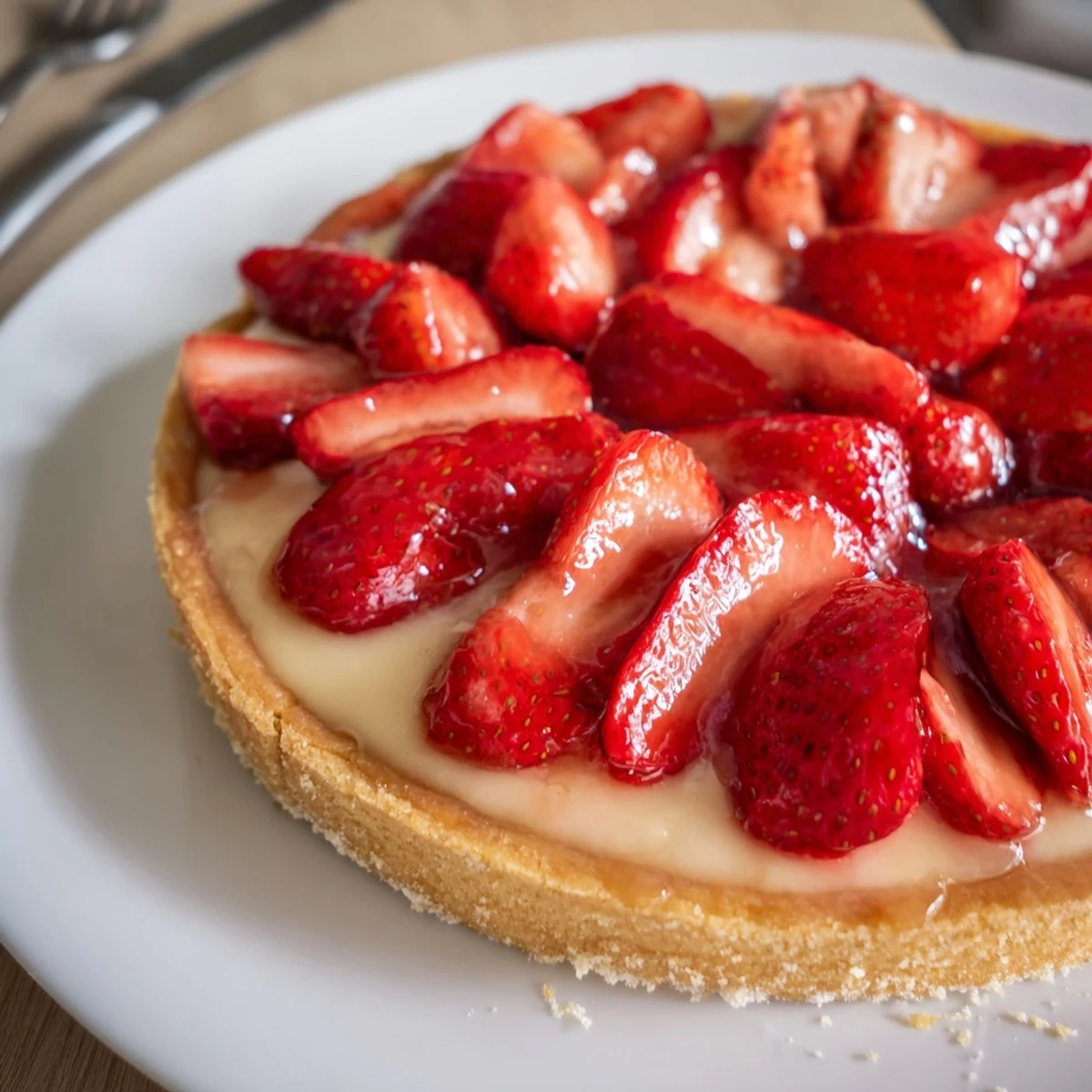
Save Foncez une pâte sablée refroidie dans un moule, cuire à blanc avec poids puis laisser tiédir. Préparez une crème pâtissière vanillée, refroidissez-la au contact pour éviter la peau. Garnissez le fond de tarte de crème, disposez les fraises lavées et nappées d'une confiture d'abricot chauffée pour un fini brillant. Laissez prendre au frais 1 heure avant service. Astuce : un zeste de citron dans la crème apporte de la fraîcheur.
One spring morning, the scent of fresh strawberries from the market lingered in my kitchen and nudged me to finally tackle the iconic French tarte aux fraises. Making it felt like weaving sunshine and freshness into dessert form, especially when the days start to stretch out in early summer. The quiet hum of the oven and the soft plop of strawberries in the colander added a peculiar calm to the otherwise busy week. I remember thinking that even the most familiar ingredients felt celebratory in this classic pie.
I once baked this tart for a friend’s birthday picnic and, despite forgetting to bring a proper pie server, we ended up slicing it with a plastic knife under a gentle breeze. Somehow, the uneven cuts and sticky fingers just made it even sweeter. It’s one of those desserts people still mention when they reminisce about laughter under the old sycamore tree.
Ingredients
- Flour: Choose all-purpose flour and don’t overwork it – gentle hands make the crust crumbly and tender.
- Cold Butter: Diced and chilled, this is the key to that melt-in-your-mouth pâte sablée; I sometimes freeze it briefly if the kitchen is warm.
- Powdered Sugar: This gives a delicate sweetness and super-fine texture to the base – don’t rush the sifting step.
- Egg: Just one, but it brings the dough together beautifully – let it come to room temperature first.
- Pinch of Salt: Brightens the flavor, and I learned not to skip it, even if you’re tempted!
- Whole Milk: For the crème pâtissière, whole milk makes it luxuriously creamy – low fat just won’t cut it.
- Vanilla Bean or Extract: Splitting a vanilla bean fills the kitchen with aroma, but extract works if you’re short on time.
- Granulated Sugar: For sweetness in the custard, it also helps the egg yolks turn a gorgeous pale yellow when whisked.
- Egg Yolks: Use room temperature for best results – I joke it makes me feel like a proper pâtissier separating them out.
- Cornstarch: Don’t skimp – this thickens the custard swiftly and keeps it smooth.
- Butter (for cream): Adding it off the heat makes the crème pâtissière glossy and satiny.
- Fresh Strawberries: The fresher and riper the better; taste one before slicing to be sure.
- Apricot Jam: Warming with water turns jam into that classic, shiny fruit glaze – it’s simpler than it sounds.
- Water: Just a splash to loosen the jam for brushing the tart.
Instructions
- Make the Pastry Dough:
- Rub the flour, powdered sugar, and salt with the cold butter until the mix resembles sandy pebbles, then work in the egg just until a dough forms—a little mess on your hands means you’re doing it right. Wrap and let it chill, because patience now means a tender crust later.
- Blind Bake the Crust:
- Roll out the dough smoothly and line your tart tin, patching any cracks with offcuts. After a rest in the fridge, prick the base, weight it with parchment and baking beans, and bake until pale gold and aromatic.
- Prepare the Crème Pâtissière:
- Warm the milk and vanilla gently till fragrant, then whisk the yolks with sugar and cornstarch until pale and ribbony. Temper with hot milk, return to the pan, and cook—whisking steadfastly—until it thickens and sighs off the spoon, then finish with a swirl of butter.
- Cool and Slice the Strawberries:
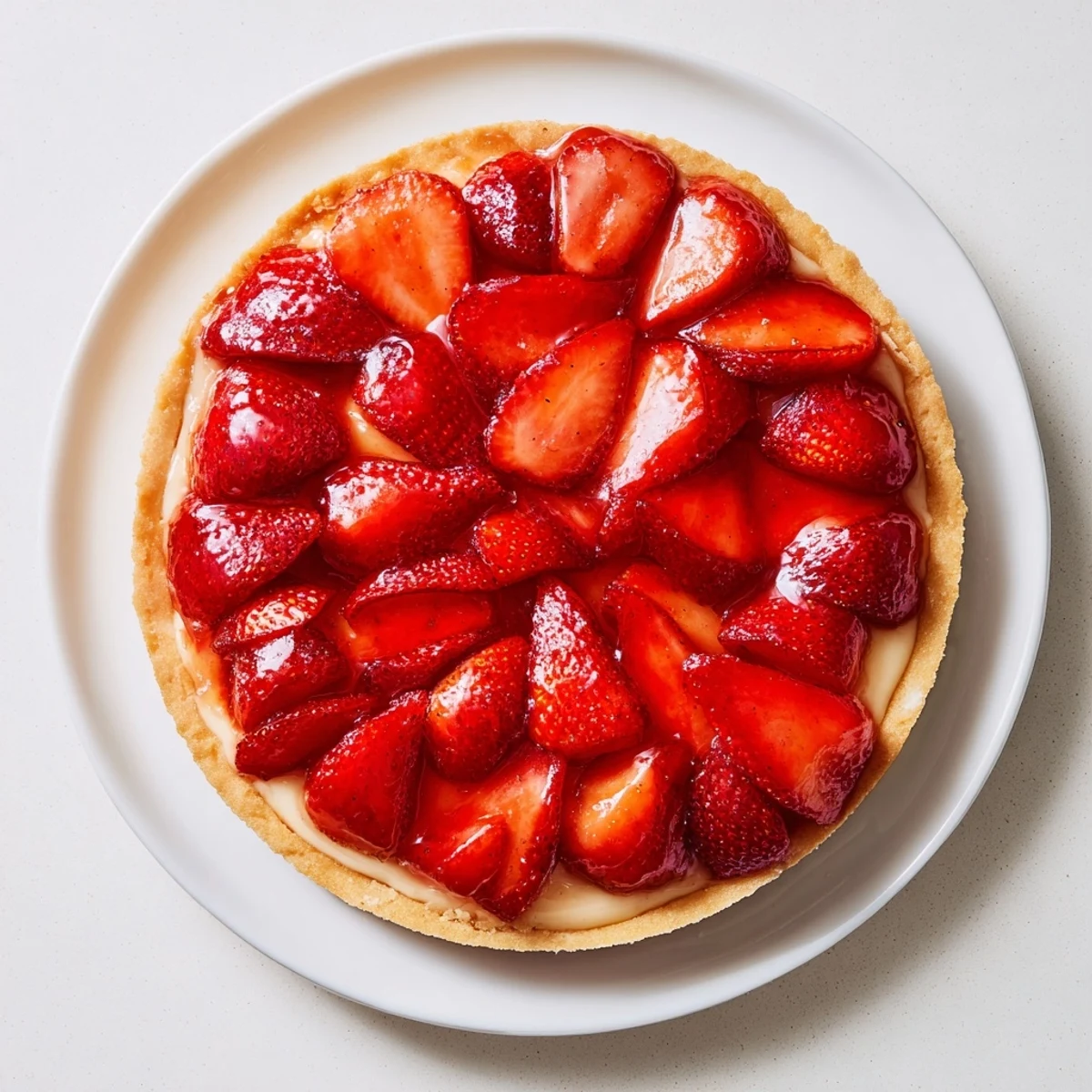
- Wash and hull the berries, patting them dry before slicing them however you like; I find fan shapes look particularly inviting atop the tart.
- Assembly:
- Once the crust and custard have cooled, spread a lush layer of crème pâtissière, then gently nestle the strawberries in your favorite pattern—there’s no wrong way, just deliciousness.
- Gloss with Apricot Jam:
- Heat the jam with a little water until it’s runny, then brush over the berries for a glossy, celebratory finish.
- Chill and Serve:
- Let your finished tart rest in the fridge so it slices cleanly and the flavors meld; the wait is worth every second.
 Save
Save It was a Sunday afternoon when this tart stole the show at our table, gleaming like a jewel next to a jug of homemade lemonade. Watching everyone pause mid-conversation for a forkful, I realized food can sometimes say everything we forget to put in words.
Getting the Crust Just Right
Working the butter in swiftly while it’s still cold is the secret to a crisp, melt-away base. If it’s hot in the kitchen, chill your bowl and utensils ahead of time for insurance.
Making Creamy Dreamy Custard
Patience is your friend here – take it off the heat the moment it thickens to avoid lumps. Keeping plastic film directly on the surface while it cools means no pesky skin forms.
Arranging and Finishing Touches
Let your creative side lead when placing the strawberries – circles, clusters, or rows all work wonderfully and reflect your mood. A bit of extra care with the glaze helps everything shine and protects the berries if you make the tart in advance.
- Start assembling only once all elements are fully cooled.
- Use a pastry brush with soft bristles for gentle glazing.
- For an added zing, scatter a little lemon zest over the finished tart.
 Save
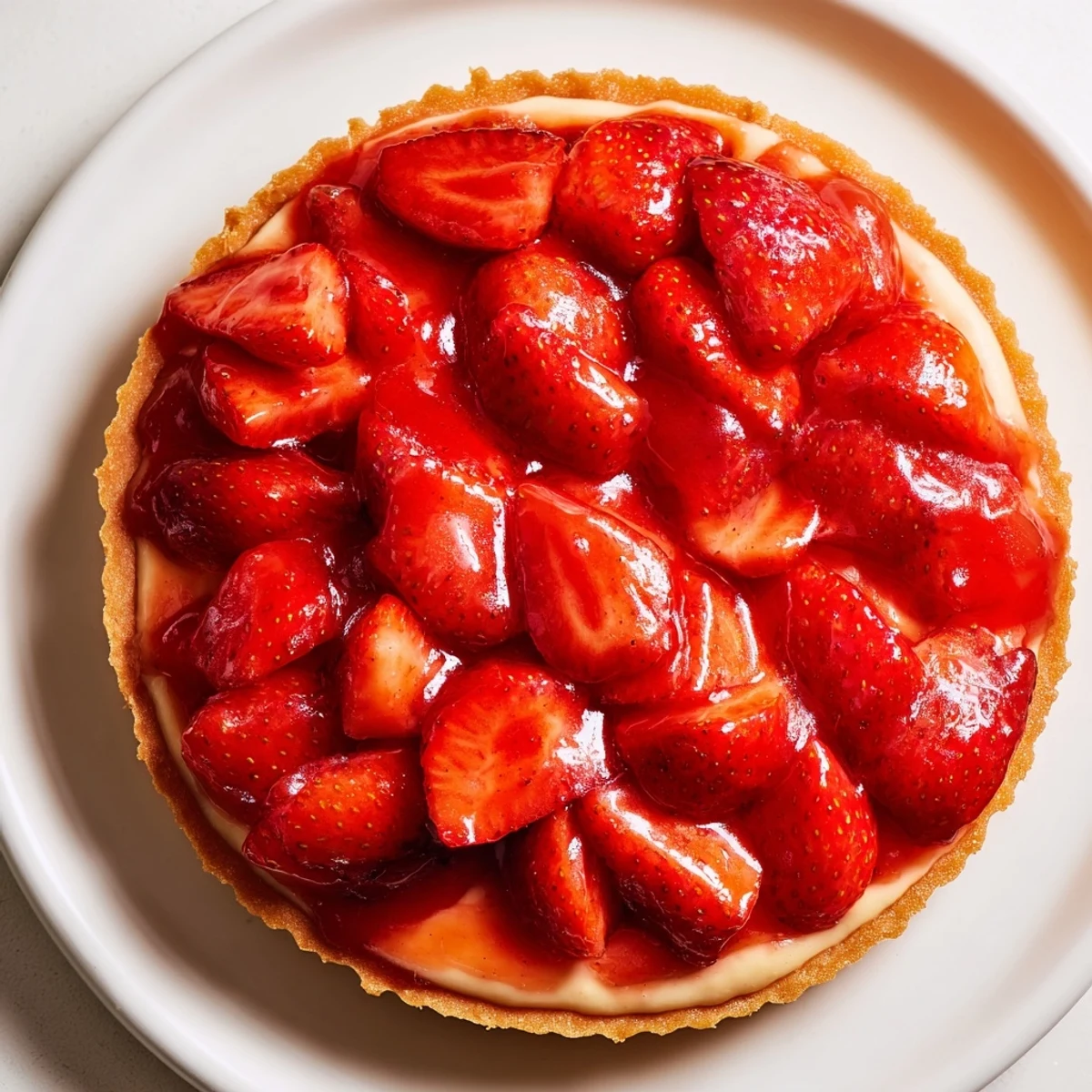
Save Sharing a slice of this tarte aux fraises always brings a touch of French flair and sweet joy to any gathering. May every creation be as bright and inviting as the first bite promises.
Recipe FAQs
- → Comment éviter un fond de tarte détrempé ?
-
Cuire la pâte à blanc avec du papier sulfurisé et des poids, prolonger la cuisson après avoir retiré les poids pour bien sécher le fond. Laisser refroidir complètement avant de garnir et napper les fruits juste avant de servir.
- → Comment réussir la crème pâtissière sans grumeaux ?
-
Tamponnez les jaunes avec le sucre, incorporez la fécule puis versez un filet de lait chaud en fouettant pour tempérer. Remettez sur feu moyen en remuant vivement jusqu'à épaississement, puis passez au tamis si besoin et filmez au contact pour éviter la peau.
- → Peut-on remplacer le beurre dans la pâte sablée ?
-
On peut utiliser une margarine de pâtisserie ou un beurre végétal pour une texture similaire, mais le beurre doux apporte la saveur et le feuilletage caractéristiques. Ajustez l'humidité si le substitut est plus mou.
- → Quelle variété de fraises privilégier ?
-
Choisissez des fraises fermes et sucrées, de saison (gariguette, ciflorette ou mara des bois selon disponibilité) pour un meilleur parfum et une belle tenue à la découpe.
- → Comment obtenir un glaçage brillant sur les fraises ?
-
Chauffez légèrement la confiture d'abricot avec un peu d'eau, filtrez si nécessaire et appliquez à l'aide d'un pinceau en une couche fine pour un brillant uniforme sans détremper les fruits.
- → Peut-on préparer à l'avance et comment conserver ?
-
La crème pâtissière peut être préparée 24 h à l'avance et conservée au frais. La pâte cuite se conserve 1 à 2 jours au sec; assemblez la tarte le jour même et réfrigérez jusqu'à 24 h pour garder fraîcheur et tenue.