
 Save
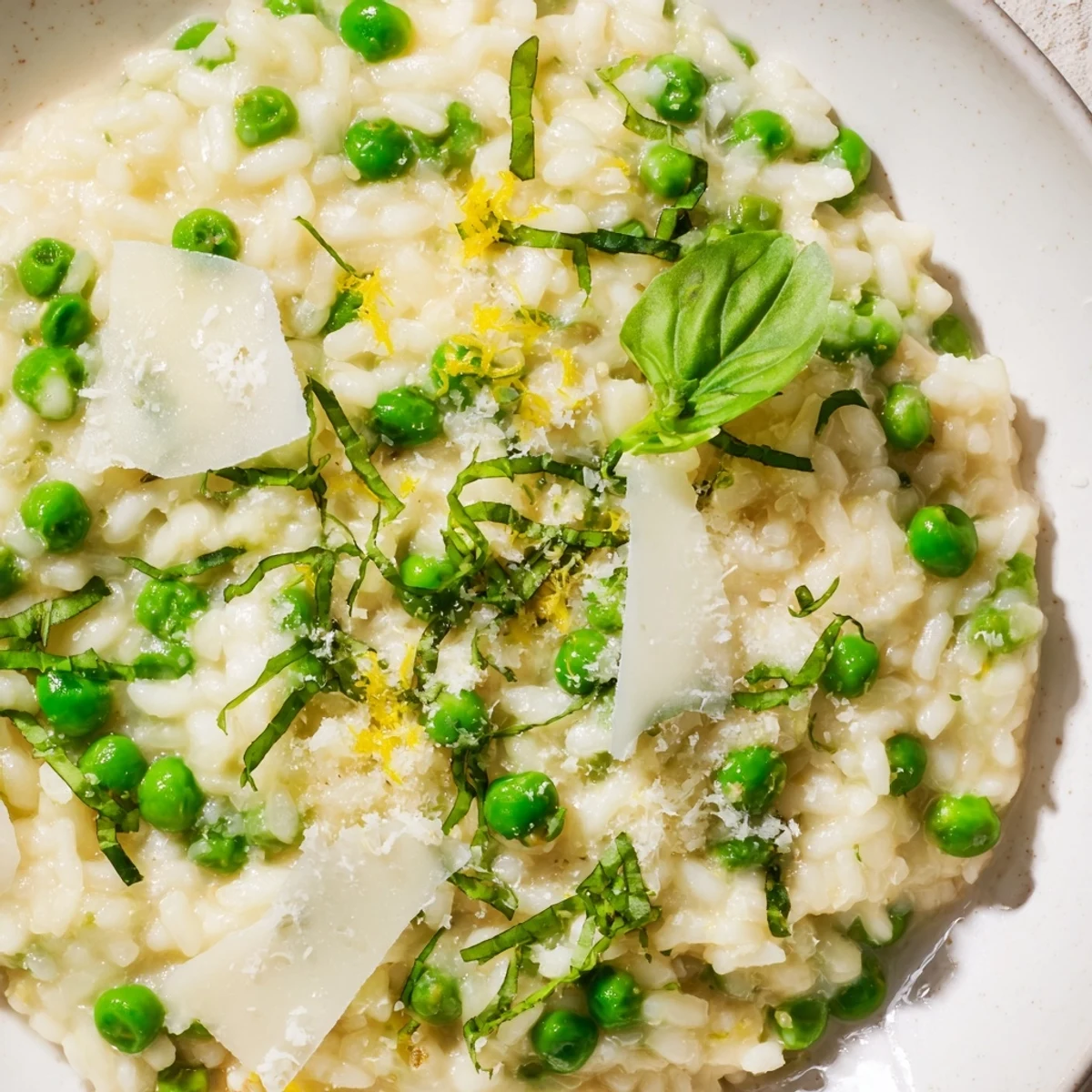
Save This vibrant Italian dish transforms Arborio rice into a creamy masterpiece through slow broth absorption. Fresh spring peas add sweetness and bright color, while aged Parmesan brings nutty depth. Fresh basil and lemon zest finish the dish with brightness. The technique requires patience—adding warm broth ladle by ladle while stirring constantly releases the rice's natural starches for that signature velvety texture. Perfect for entertaining or a comforting weeknight dinner.
Last spring, I stood at the farmers market staring at a basket of fresh peas until the vendor laughed and asked if I needed help. Something about that bright green promise made me buy twice as many as I needed, and suddenly I was rushing home to figure out how to do them justice.
My friend Elena came over that same evening, expecting takeout, and found me standing at the stove in what I can only describe as a risotto trance. We ate it straight from the pan while leaning against the counter, forks in hand, neither of us willing to pause for proper plates.
Ingredients
- Arborio rice: This short-grain rice releases starch slowly, creating that signature creamy texture without needing any help from flour or cream
- Vegetable broth: Keep it warm in a separate pan so adding cold broth never shocks the rice or interrupts the cooking process
- Spring peas: Fresh peas need just minutes to cook, while frozen ones work beautifully if you thaw them first and pat them dry
- Onion and garlic: Finely diced is key here so they melt into the background rather than creating chunky bites
- Butter and olive oil: The combination gives you flavor from butter while olive oil prevents burning over the longer cooking time
- Parmesan cheese: freshly grated makes a huge difference since pre-grated cheese often has anti-caking agents that affect texture
- Fresh basil: Add it at the very end so the heat just wakes up the oils instead of cooking them away completely
- Lemon zest and juice: This bright element cuts through the richness and makes every taste feel lighter and more alive
Instructions
- Warm your broth:
- Keep it at a gentle simmer on a back burner so it is ready when you need it
- Build your base:
- Sauté the onion in oil and butter until translucent, then add garlic for just one minute before it can turn bitter
- Toast the rice:
- Stir the grains constantly for about two minutes until they look slightly opaque and smell nutty
- Begin the rhythm:
- Add one ladle of broth at a time, stirring almost constantly and waiting until each addition is mostly absorbed before reaching for more
- Add the peas:
- When the rice is almost al dente and creamy, stir them in for just two to three minutes until bright green and tender
- Finish with flair:
- Remove from heat and fold in butter, Parmesan, cream if using, basil, lemon zest, and juice before seasoning to taste
 Save
Save That impromptu dinner with Elena became our spring tradition. Now whenever peas appear at the market, she sends me a text with nothing but a pea emoji, and we both know exactly what is happening that evening.
Getting The Texture Right
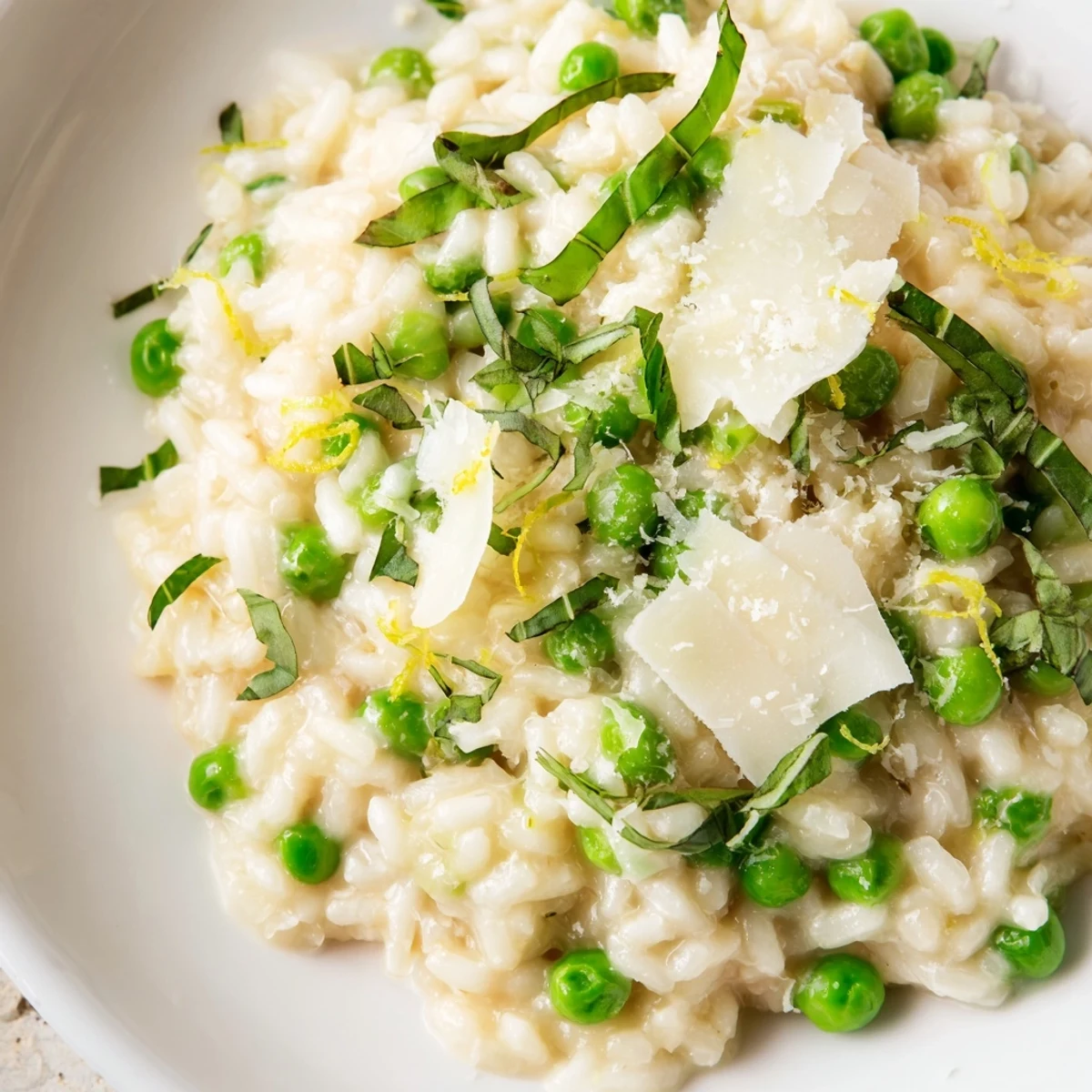
I have learned that risotto is more about feel than strict timing. The rice should flow like waves on a plate, not sit in a puddle or clump together. Trust your spoon more than the clock.
Making It Your Own
Mint instead of basil transforms this into something completely different. Sometimes I add asparagus with the peas or top it with pea shoots for extra freshness and a beautiful presentation.
What To Serve Alongside
A simple arugula salad with lemon vinaigrette balances the richness perfectly. Crusty bread is almost mandatory for sopping up every last bit from the bowl.
- Open a crisp white wine while you cook so it can breathe before serving
- Grate extra Parmesan at the table because everyone always wants more than you think
- Keep the broth warm even after you think you are done, you might need an unexpected splash
 Save
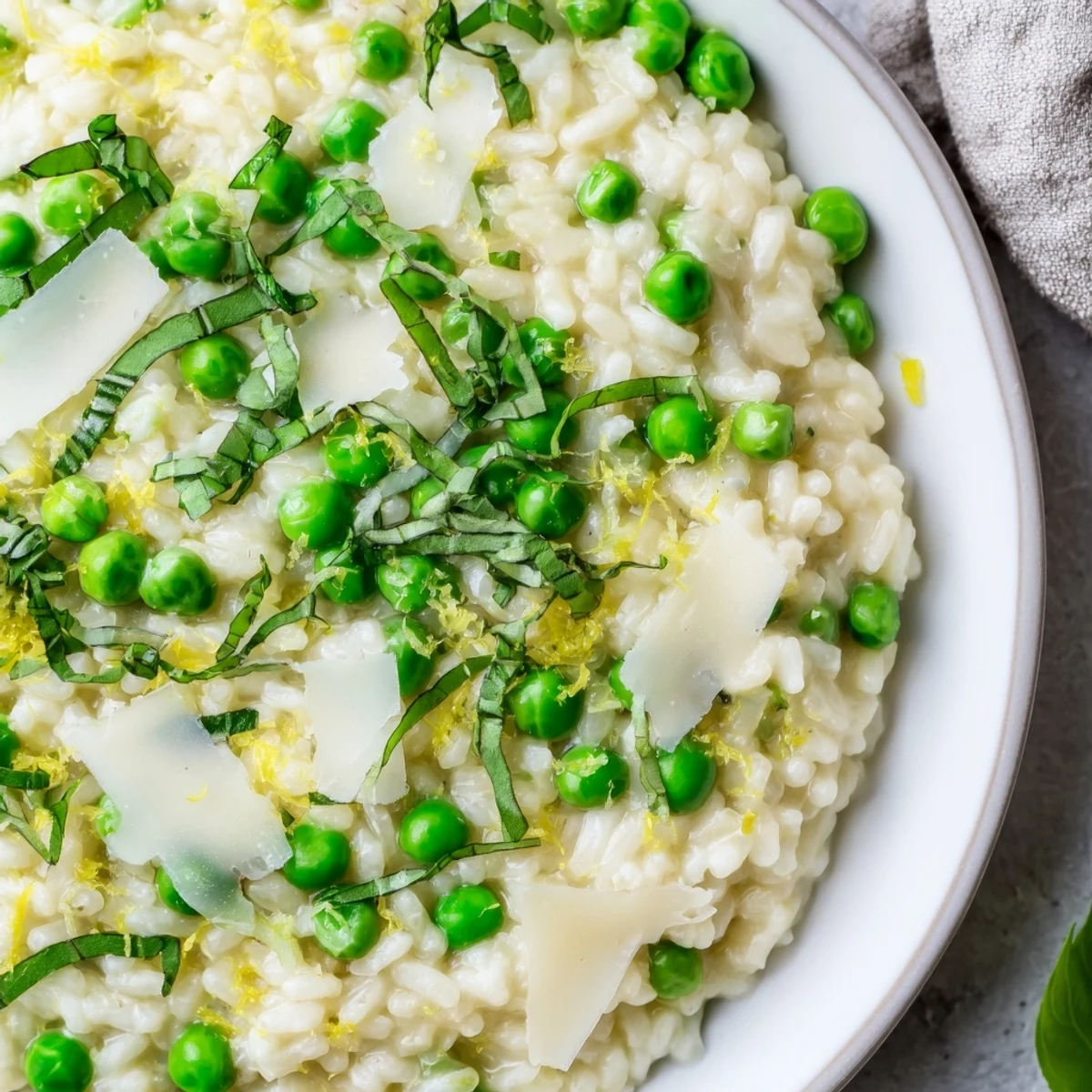
Save Risotto waits for no one, so gather your people before you start cooking. The best meals are the ones shared straight from the stove.
Recipe FAQs
- → Can I use frozen peas instead of fresh?
-
Absolutely. Frozen peas work beautifully and actually maintain their bright green color better than fresh peas that have been stored too long. Add them directly from frozen during the last few minutes of cooking.
- → Why must the broth be warm?
-
Warm broth prevents temperature shock that disrupts starch release. When cold liquid hits hot rice, the grains seize up and become tough rather than creamy. Keeping broth gently simmering ensures consistent, creamy results.
- → Is heavy cream necessary?
-
Not at all. Proper risotto technique creates natural creaminess without added cream. The cream is optional for those who prefer an extra luxurious texture. Many traditional Italian preparations omit it entirely.
- → Can I make this gluten-free?
-
Yes. Arborio rice is naturally gluten-free. Simply verify your vegetable broth is certified gluten-free, and you have a perfectly safe gluten-free meal. Always check cheese labels if cross-contamination is a concern.
- → How do I store and reheat leftovers?
-
Store cooled risotto in an airtight container for up to 3 days. Reheat gently with a splash of broth, stirring frequently. The texture will be thicker than fresh—some people actually prefer it this way. You can also form chilled leftovers into patties and pan-fry for crispy arancini.