
 Save
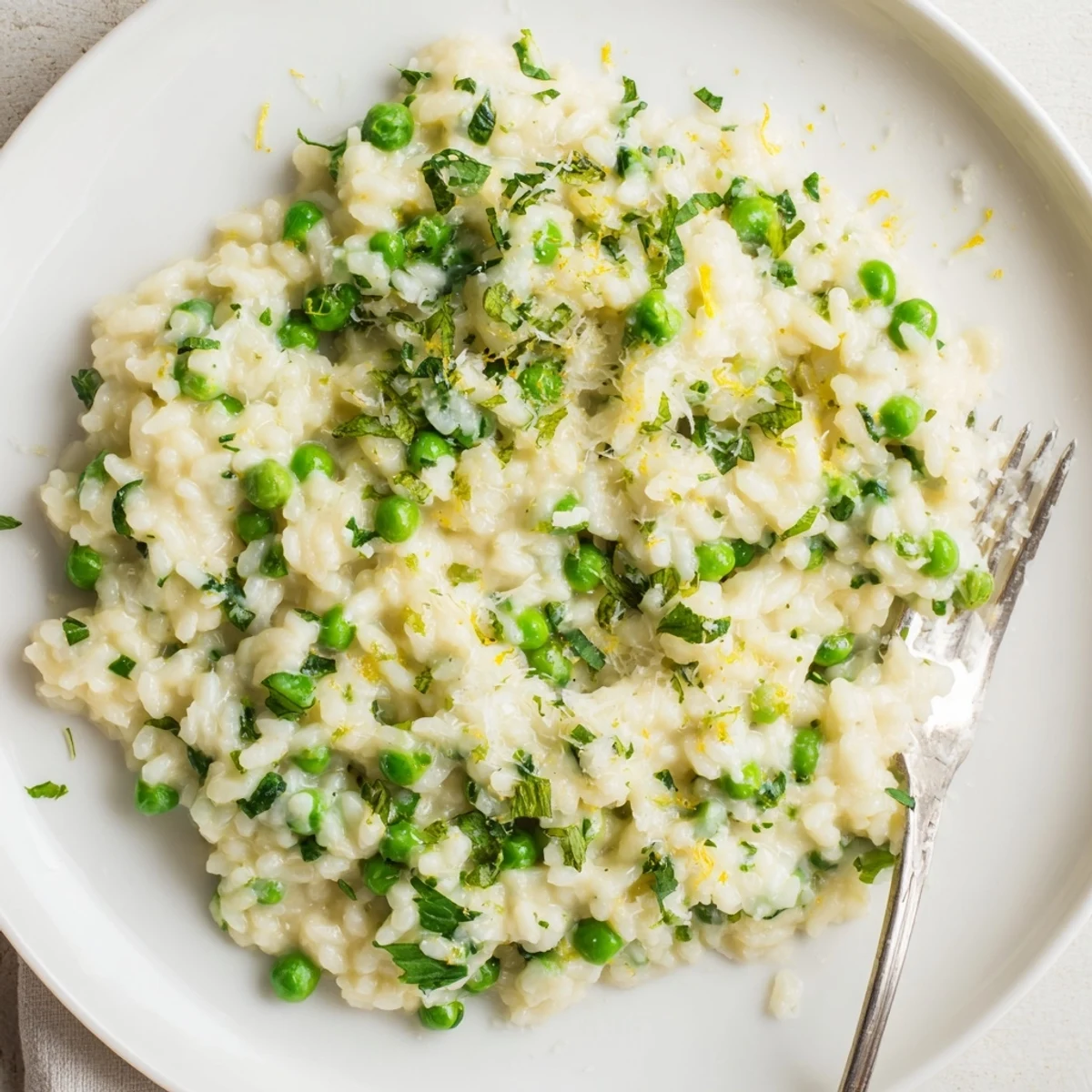
Save This classic Italian risotto combines creamy Arborio rice with sweet spring peas, creating a vibrant green dish that celebrates the season. The slow addition of warm vegetable broth develops the signature creamy texture, while fresh parsley and optional mint add brightness. Finished with butter and Parmesan, this vegetarian main dish is perfect for spring entertaining or a comforting weeknight dinner.
The first time I made risotto, my Italian neighbor leaned over the fence and told me the secret was patience. I'd been trying to rush it, standing there with my glass of wine and wondering why the rice wasn't creamy yet. She showed me how the rice should look when it's done, that perfect wave when you tilt the pan. Now every spring when peas start appearing at the farmers market, I make this risotto and think of her voice telling me to slow down.
Last spring, I made this for my sister who swore she hated risotto because she'd only had the gluey restaurant kind. She watched me stir in the final butter and Parmesan, that magical moment when everything transforms into silk. Later she asked if I'd teach her the technique, which is basically the highest compliment she can give anything.
Ingredients
- Arborio rice: This short grain rice releases starch as it cooks, creating that signature creamy texture without needing heavy cream
- Spring peas: Fresh peas are worth seeking out during peak season, but frozen work beautifully and actually hold their color better
- White wine: Dry wine adds acidity that cuts through the richness, and the alcohol evaporates while leaving behind complex flavor
- Vegetable broth: Keep it warm in a separate pan so adding cold liquid doesn't shock the rice and interrupt the cooking process
- Butter and Parmesan: These get stirred in at the end for what Italians call mantecatura, the emulsification that makes risotto luxurious
- Fresh herbs: The parsley and mint combination brightens everything and prevents the dish from feeling too heavy
Instructions
- Get your station ready:
- Heat the vegetable broth in a medium saucepan and keep it warm over low heat. You want it ready to go before you start cooking the rice.
- Build your base:
- In a large heavy skillet, warm the olive oil and 1 tablespoon butter over medium heat. Sauté the onion for 2-3 minutes until it turns translucent and soft.
- Add aromatics:
- Stir in the garlic and cook just 1 minute until fragrant. You want it to release its scent without burning or getting bitter.
- Toast the rice:
- Add the Arborio rice and stir for 2 minutes. The grains should look slightly translucent around the edges and smell nutty, like toasted popcorn.
- Deglaze with wine:
- Pour in the white wine and stir until nearly absorbed. The kitchen should smell amazing right about now.
- Begin the broth process:
- Add one ladleful of warm broth and stir gently. Let the rice absorb most of the liquid before adding the next ladleful, stirring often to encourage creaminess.
- Continue adding broth:
- Keep this rhythm going for 18-20 minutes. The rice should be creamy but still have a slight bite in the center.
- Add the peas:
- When about 5 minutes of cooking remain, toss in the peas. They just need to heat through and stay bright green.
- Finish it right:
- Remove from heat and stir in the remaining butter, Parmesan, herbs, and lemon zest if using. Season with salt and pepper.
- Serve immediately:
- Risotto waits for no one. Plate it while it's still流动 and garnish with extra Parmesan and fresh herbs.
 Save
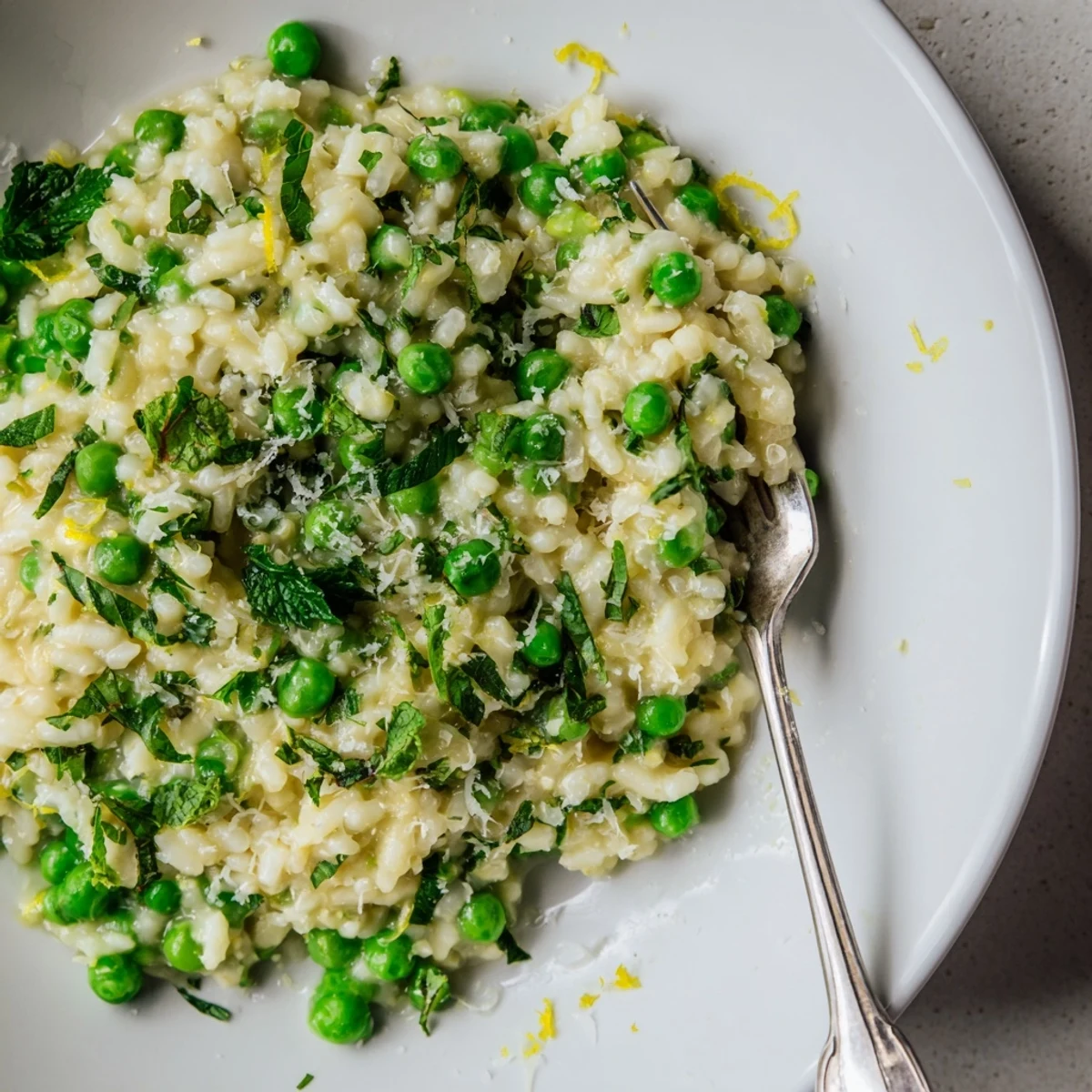
Save This risotto became my go-to for dinner parties after I realized it looks impressive but is actually quite forgiving. Something about standing at the stove, adding broth ladle by ladle, makes guests feel taken care of before they even take a bite.
The Wine Choice Matters
I've used whatever open bottle was in the fridge, and honestly, you can taste the difference. A decent Pinot Grigio or Sauvignon Blanc works best, something dry with enough acid to stand up to the creaminess. Once I used an oaky Chardonnay and the whole dish tasted strangely buttery in a way that didn't quite work.
When to Add the Peas
The timing here is more important than it seems. Too early and they turn gray and sad, too late and they stay crunchy in an unpleasant way. That five minute window is perfect for keeping them bright and tender while still tasting like fresh spring.
Making It Your Own
Once you're comfortable with the technique, this recipe becomes a template. I've swapped asparagus for peas in early spring, used basil instead of mint in summer, and even made it with mushrooms in fall. The method stays the same while the seasons change around you.
- Leftover risotto can be formed into patties and fried for arancini the next day
- If the rice seems done before all the broth is used, just stop adding liquid
- A splash more broth right before serving brings everything back to life if it sits too long
 Save
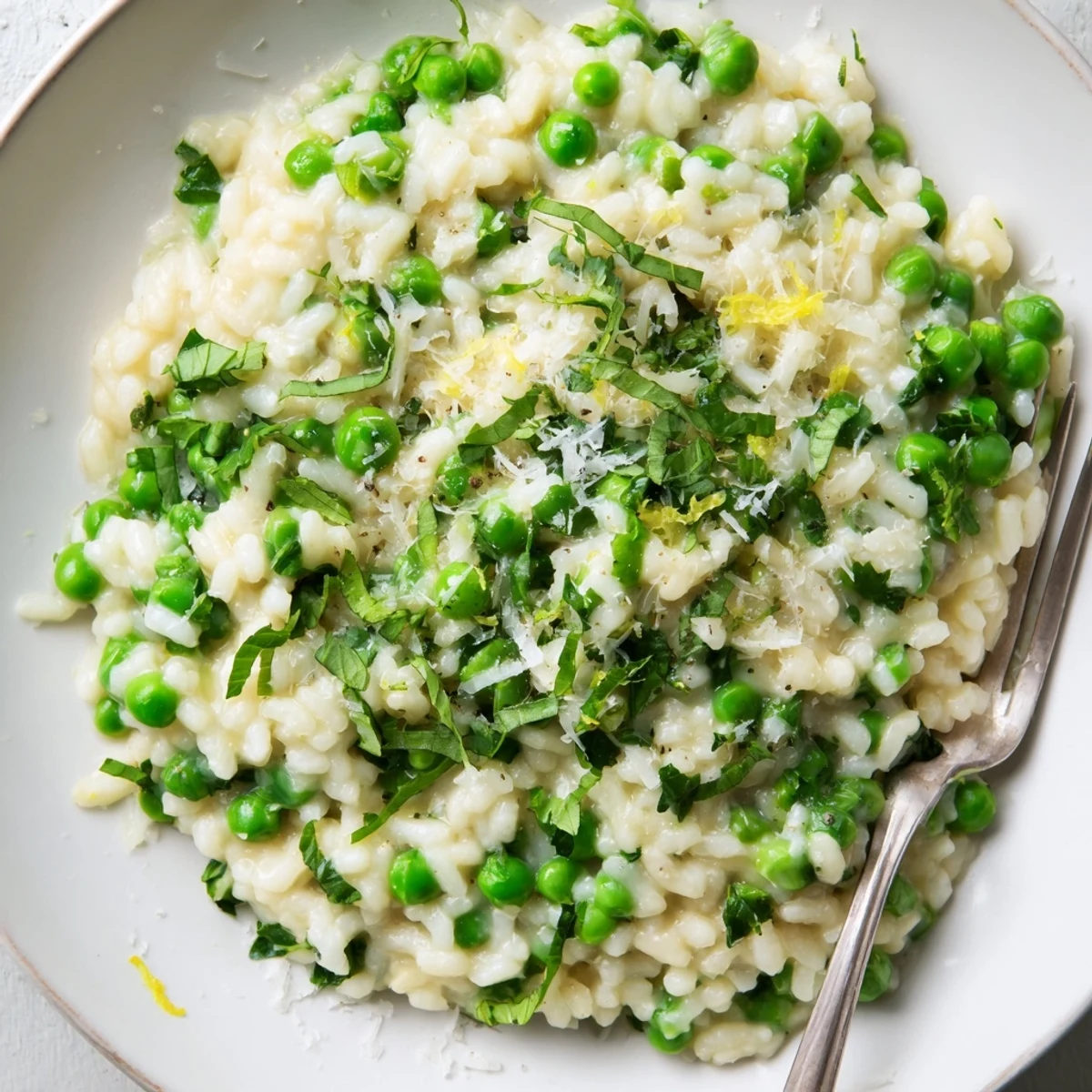
Save There's something deeply satisfying about making risotto, about standing at the stove and watching rice transform into something luxurious. Spring might be fleeting, but this dish captures it perfectly in a bowl.
Recipe FAQs
- → Can I use frozen peas instead of fresh?
-
Yes, frozen peas work beautifully in this risotto. Add them directly from frozen during the last 5 minutes of cooking. No need to thaw beforehand.
- → What makes risotto creamy?
-
The creaminess comes from stirring Arborio rice, which releases its starch into the broth. Constant stirring and gradual addition of warm liquid creates the signature velvety texture without adding heavy cream.
- → Can I make this vegan?
-
Absolutely. Substitute butter with olive oil or vegan butter, and replace Parmesan with nutritional yeast or vegan Parmesan alternative. The cooking technique remains the same.
- → How do I know when risotto is done?
-
Taste the rice—it should be tender but still have a slight bite in the center (al dente). The texture should be creamy and loose, not stiff. If it's too thick, add another splash of broth.
- → Can I add other vegetables?
-
Yes! Asparagus, mushrooms, or zucchini make excellent additions. Sauté them separately and fold in during the last few minutes of cooking to maintain texture.