
 Save
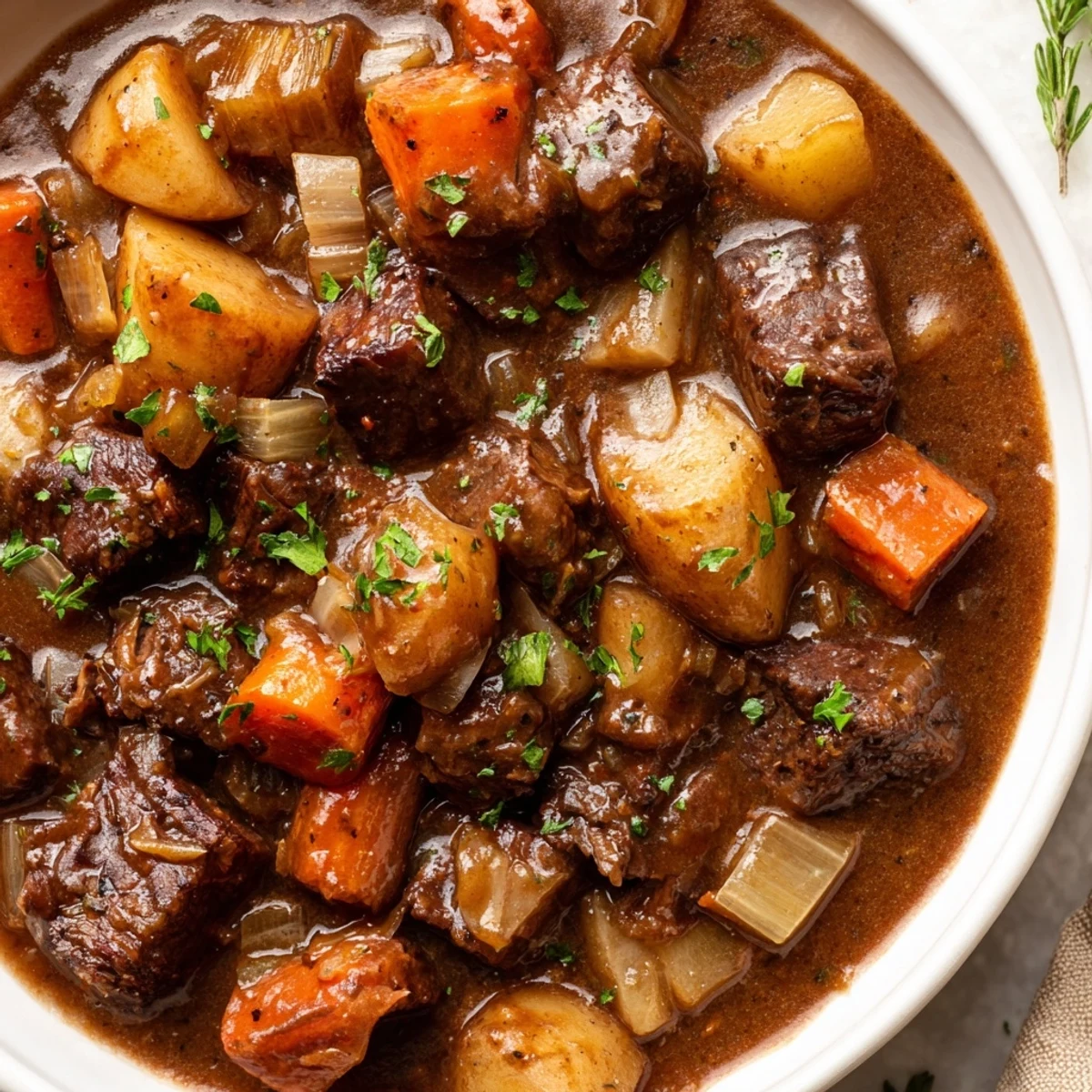
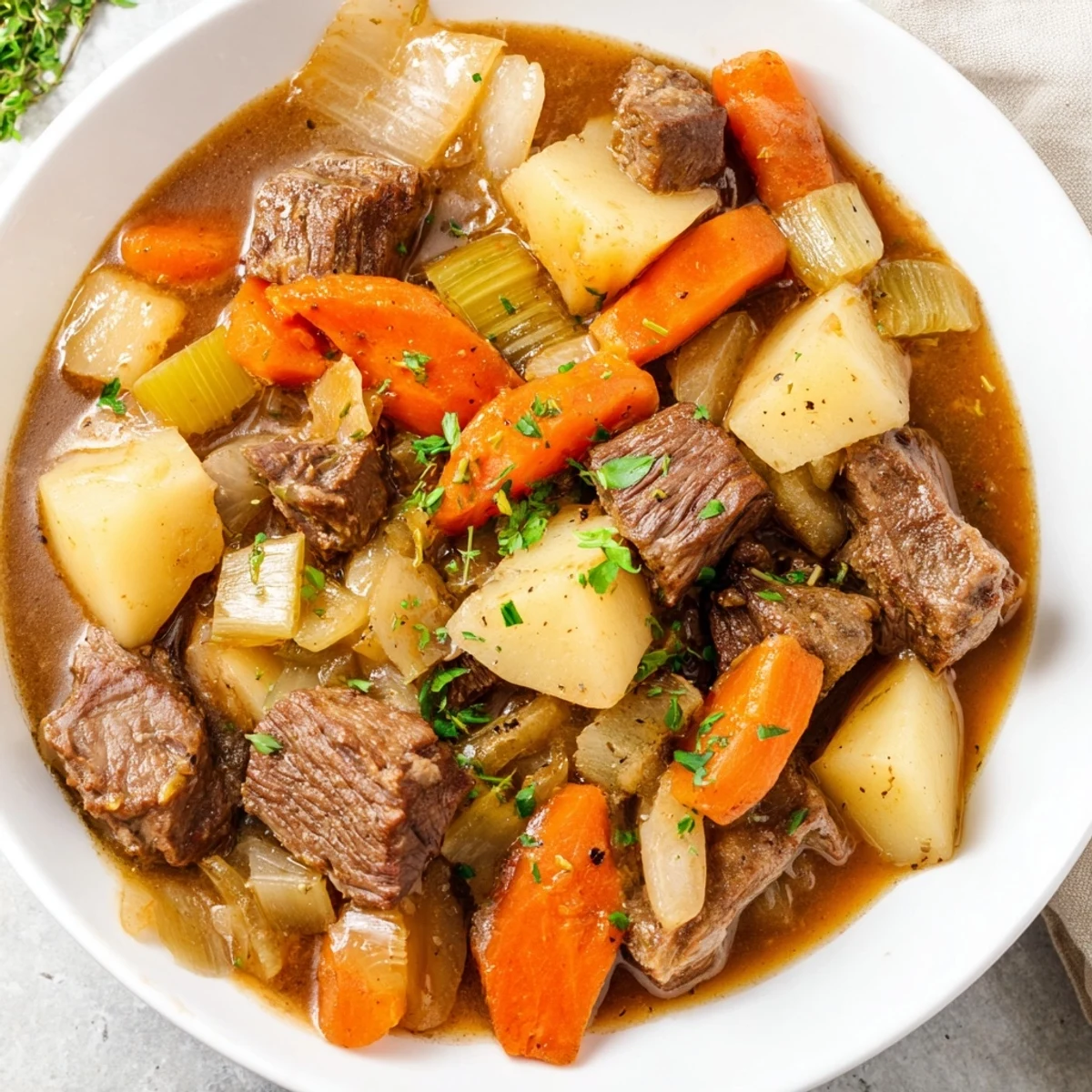
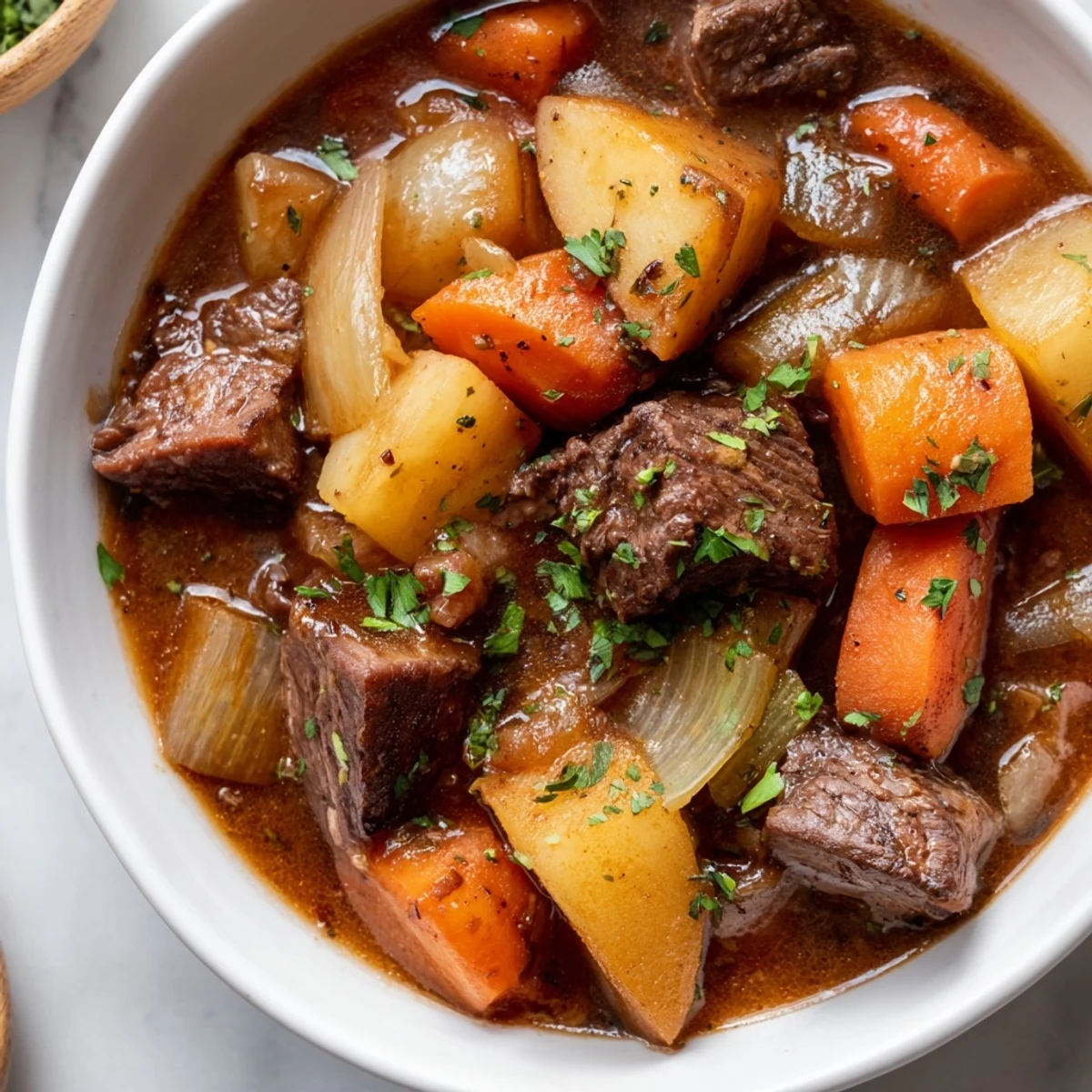
Save This dish features tender beef chunks combined with carrots, parsnips, potatoes, onions, garlic, and celery. Braised slowly in a savory broth enriched with tomato paste, red wine, and Worcestershire sauce, it develops deep, rich flavors over several hours. Herbaceous notes from thyme, rosemary, and bay leaves enhance the complexity. A cornstarch slurry is added near the end to thicken the hearty mixture. Garnished with fresh parsley, this meal pairs wonderfully with crusty bread or mashed potatoes for a warm, satisfying experience.
The first time I made beef stew in a slow cooker was during a particularly brutal February when my ancient drafty apartment felt more like an icebox than a home. I woke up to find ice crystals on the inside of my bedroom window and knew soup was the only logical response. By noon, the entire building smelled like Sunday dinner at someone's grandmother's house, and my neighbor actually knocked on my door just to ask what was happening in my kitchen.
Last winter, my sister came over after her car broke down during what turned out to be the longest snowstorm of the year. She walked in shivering, clutching a dead phone and wearing entirely inappropriate boots, and I literally just pointed at the slow cooker. We spent six hours at the kitchen table doing puzzles and occasionally lifting the lid to inhale, and later she admitted that dinner was probably the only thing that kept her from having a total meltdown about life.
Ingredients
- Beef chuck: I've learned the hard way that chuck is the only cut that delivers that fall-apart tenderness without turning into leather during those long hours
- Carrots and parsnips: Cut them slightly larger than you think you need because they shrink beautifully and become little flavor bombs in every spoonful
- Potatoes: Russets hold their shape better than you'd expect, but Yukon Golds make everything feel slightly more luxurious
- Onions and garlic: These aromatics become the foundation of everything, so don't be shy about letting them get soft and translucent before adding them in
- Beef broth: I've used both homemade and store-bought, and honestly, the long cook time makes even basic broth taste like something you simmered all day yourself
- Red wine: The wine is completely optional, but that depth of flavor is the difference between good stew and the kind people write home about
- Tomato paste: This adds such richness and body, creating that glossy, restaurant-quality appearance that makes everything feel special
- Worcestershire sauce: Umami is real and this is your secret weapon for that deep, savory flavor that makes people wonder what you did differently
- Thyme and rosemary: Dried herbs work perfectly here because the slow cooking extracts every bit of their essential oils
- Cornstarch: The cornstarch slurry at the end transforms everything from loose soup into that perfect, spoon-coating consistency that feels like a hug
Instructions
- Season and prep your beef:
- Pat those cubes completely dry because moisture is the enemy of a good sear, and season generously with salt and pepper.
- Get that gorgeous brown:
- Working in batches so the pan doesn't crowd, brown the beef until it's golden on all sides, then tuck it into the slow cooker.
- Layer in all your vegetables:
- Add the carrots, parsnips, potatoes, onions, garlic, and celery directly over the beef, scattering them evenly throughout.
- Build your cooking liquid:
- Whisk together the broth, wine if you're using it, tomato paste, and Worcestershire sauce until smooth.
- Pour and season:
- Pour that gorgeous liquid over everything, then sprinkle in the thyme, rosemary, and bay leaves.
- Let time work its magic:
- Cover and cook on low for 8 hours or high for 4 to 5 hours until fork tender.
- Finish with that perfect thickness:
- Stir in your cornstarch mixture during the last 30 minutes, cooking on high uncovered until thickened, and fish out those bay leaves.
 Save
Save When my dad finally tried this after years of claiming he only liked his own beef stew recipe, he took one bite, went quiet for a suspiciously long time, and then asked if there was any chance I could make it for his birthday dinner instead of the usual restaurant celebration. That's when I knew this wasn't just good food, it was the kind that makes people abandon decades of loyalty to their own cooking.
Getting The Best Sear
I used to skip the searing step because it seemed like unnecessary work, but the difference in flavor is honestly night and day. The Maillard reaction creates compounds that can't be achieved any other way, and that complexity is what elevates good stew into something people remember months later. Take your time and don't crowd the pan, even if it means doing three or four batches.
Vegetable Wisdom
After having vegetables turn into complete mush one too many times, I started cutting them slightly larger than recipes typically suggest. They shrink during those long hours, and somehow retain more texture while still being incredibly tender. If you're particularly concerned about vegetables becoming too soft, you can always add the potatoes about halfway through the cooking time.
Serving Suggestions
This stew is substantial enough to stand completely on its own, but something crusty to soak up that gorgeous sauce never hurt anyone. I've served it with everything from homemade biscuits to simple buttered toast, and each vehicle for sauce has been equally appreciated. The leftovers are almost better than the first day, so don't stress if you have extra.
- Keep some extra crusty bread on hand for the inevitable sauce spooning
- A light green salad with bright vinaigrette cuts through all that richness perfectly
- This freezes beautifully for those days when cooking feels impossible
 Save
Save There's something profoundly satisfying about a meal that takes care of itself while you go about your life, emerging hours later as something that feels like love in a bowl.
Recipe FAQs
- → What cut of beef works best for slow cooking?
-
Beef chuck is ideal as its marbled fat breaks down slowly, resulting in tender, flavorful meat.
- → Can I prepare the stew without red wine?
-
Yes, red wine is optional and can be substituted with additional broth without affecting the overall richness.
- → How do I thicken the stew properly?
-
Adding a cornstarch slurry near the end of cooking and simmering uncovered will give a nice, thickened consistency.
- → What root vegetables are recommended?
-
Carrots, parsnips, and potatoes provide a balanced, earthy sweetness that complements the beef well.
- → Can I cook this dish without browning the beef first?
-
While optional, browning the beef adds extra depth of flavor and a richer color to the final dish.