
 Save
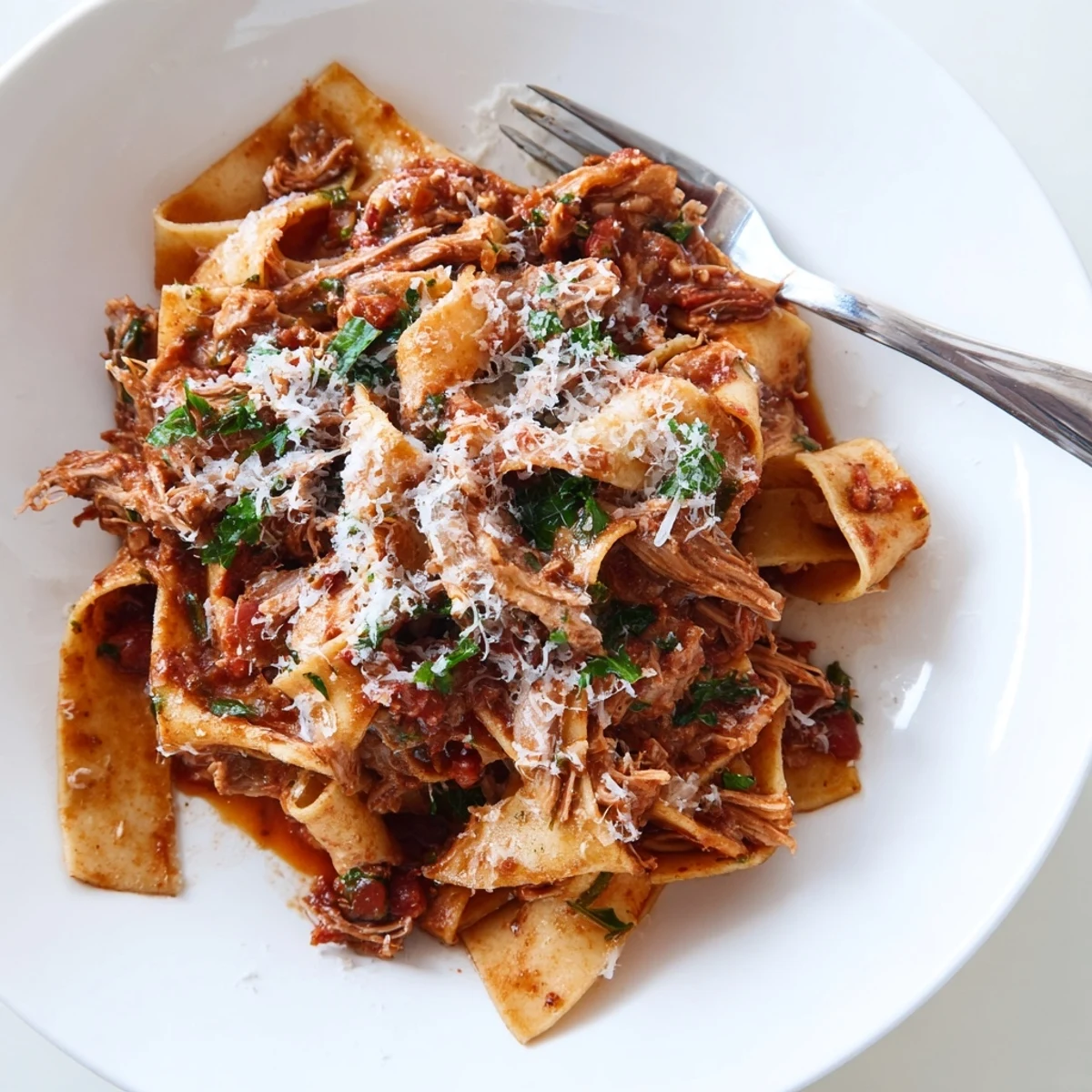
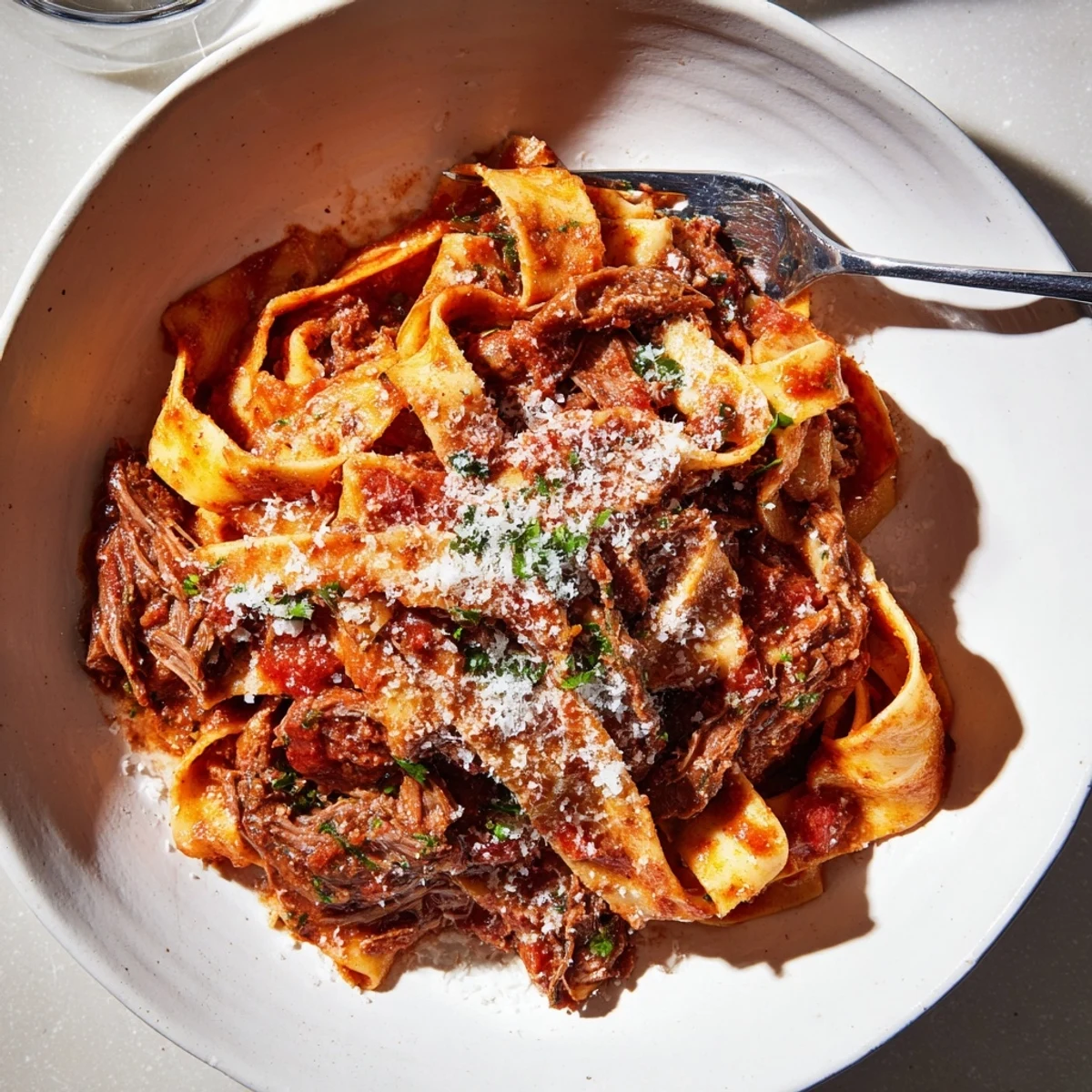
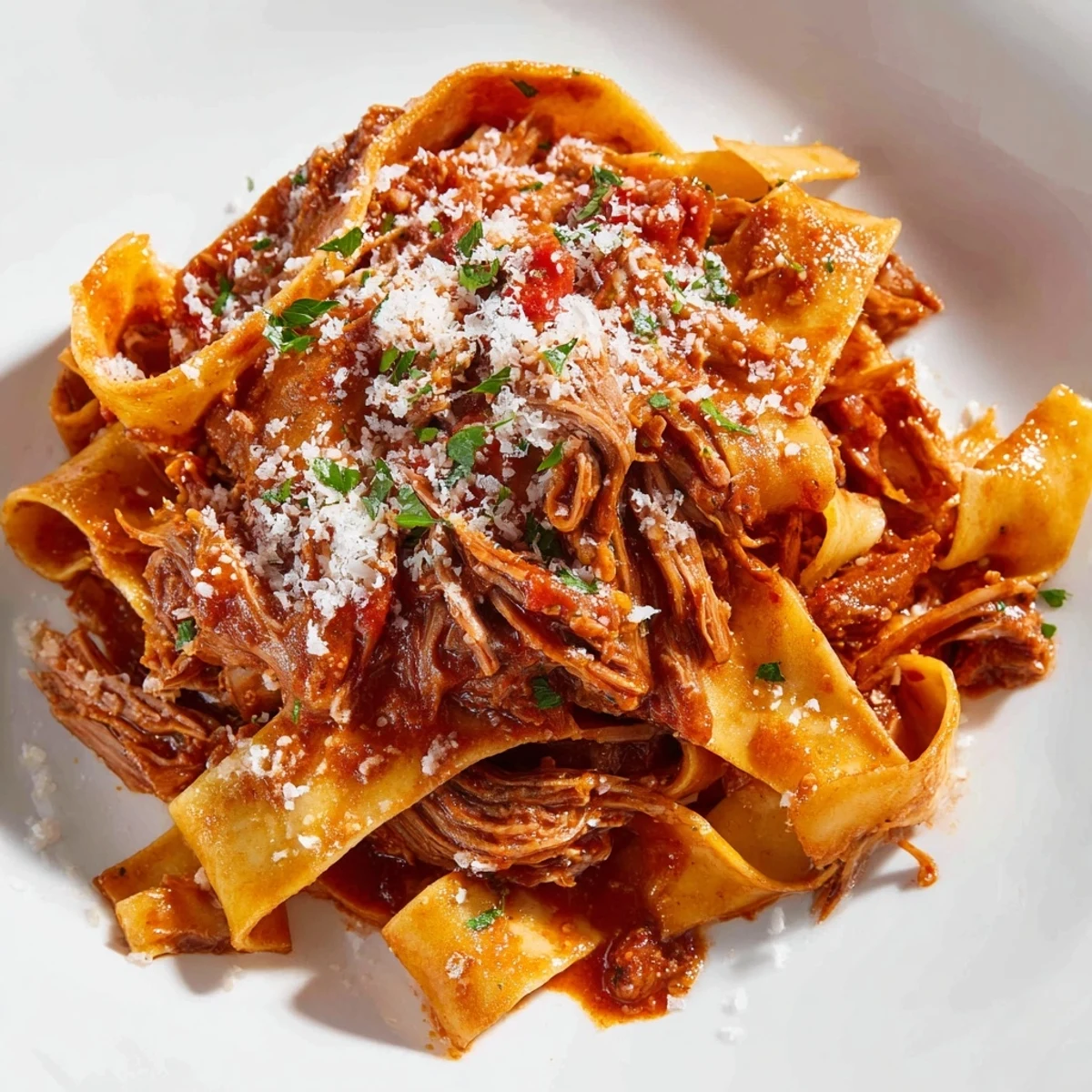
Save This hearty Italian-inspired dish transforms lamb shoulder into melt-in-your-mouth tenderness through slow braising. The meat simmers for hours in a robust sauce featuring crushed tomatoes, red wine, and aromatic vegetables, creating depth of flavor that only time can achieve. Wide pappardelle ribbons perfectly capture the thick, savory ragu, while fresh Parmigiano-Reggiano adds the final salty finish.
The process begins with searing seasoned lamb pieces to develop a caramelized exterior, then building a flavor foundation with onion, carrots, celery, and garlic. Red wine deglazes the pot, incorporating those precious browned bits into the sauce. After hours of gentle simmering, the lamb shreds easily into the rich, reduced sauce. The result is restaurant-quality comfort food that improves when made ahead, allowing flavors to meld overnight.
The smell of red wine simmering with garlic and rosemary still takes me back to a tiny apartment kitchen where I first attempted real ragu. It was February, snow falling outside, and I had no idea what I was doing but kept going anyway. Three hours later, the sauce had transformed into something dark and unrecognizable from the canned tomatoes I started with. My roommate wandered in, asked what smelled like a restaurant, and we ate standing up over the stove with wooden spoons.
I made this for a dinner party last fall and watched six people go completely silent as they took their first bites. The ragu had been simmering all afternoon, and the whole house smelled like herbs and wine. Someone actually asked if Id been cooking for three days, which Ill take as the highest compliment.
Ingredients
- 2 lbs boneless lamb shoulder: Shoulder has enough fat and connective tissue to break down into silkiness over long cooking
- Salt and pepper: Season generously before searing to build flavor from the inside out
- 2 tbsp olive oil: Needed for proper browning, which creates the foundation of depth in the final sauce
- 1 large onion, 2 carrots, 2 celery stalks: This soffritto trio forms the aromatic backbone of the sauce
- 4 garlic cloves: Add after the vegetables soften so they dont burn and turn bitter
- Fresh rosemary, thyme, and bay leaf: Fresh herbs matter here, they infuse the sauce slowly as it simmers
- 1 cup dry red wine: Use something drinkable, it concentrates as it reduces so any off flavors will become noticeable
- 28 oz crushed tomatoes: Whole tomatoes crushed by hand give a more rustic texture than perfectly smooth puree
- 1 cup beef or chicken broth: Adds body and depth while keeping the sauce from becoming too tomato-forward
- 1 lb pappardelle: Wide noodles catch the ragu beautifully, standing up to a hearty sauce
- Parmigiano-Reggiano: The finishing salt and umami punch that pulls everything together
Instructions
- Sear the lamb with intention:
- Pat the meat completely dry and season generously before hitting the hot oil, listening for that satisfying sizzle that means proper browning is happening
- Build the flavor foundation:
- Cook the onion, carrot, and celery until theyre soft and sweet, then add garlic just until fragrant
- Wine and time do the work:
- Deglaze with wine and let it reduce by half before adding tomatoes and broth, then settle in for the long simmer
- Finish with the pasta:
- Cook pappardelle until al dente, then toss it directly in the sauce with a splash of pasta water so every ribbon gets coated
 Save
Save This recipe taught me that good cooking is mostly patience and heat control. Now whenever I make it, I think about how many traditions are built around exactly this kind of dish—something that starts simple and, through time and care, becomes extraordinary.
Making It Ahead
The ragu actually improves after a night in the refrigerator, giving the flavors time to meld and deepen. Reheat it gently over low heat while the pasta water comes to a boil.
Choosing The Right Wine
A Chianti or Sangiovese works beautifully here, providing acidity to cut through the rich lamb. Avoid overly oaky wines as they can make the sauce taste bitter after long cooking.
Serving Suggestions
A simple green salad with bright vinarette cuts through the richness. Crusty bread is non-negotiable for sopping up every last bit of sauce.
- Open the red wine about an hour before cooking to let it breathe
- Set out cheese for grating while the ragu simmers
- Keep some pasta water handy just in case the sauce needs loosening
 Save
Save Some dishes feed you, and some nourish something deeper. This ragu is absolutely the latter.
Recipe FAQs
- → What cut of lamb works best for ragu?
-
Lamb shoulder is ideal because it contains connective tissue that breaks down during slow cooking, creating tender, succulent meat that shreds beautifully. Leg meat can work but may be less flavorful and moist.
- → Can I make this dish ahead of time?
-
Absolutely. In fact, preparing the ragu a day ahead improves the flavors as they meld overnight. Reheat gently over low heat, adding a splash of water or broth if the sauce has thickened too much.
- → What pasta substitutes work if I can't find pappardelle?
-
Tagliatelle, fettuccine, or even wide ribbon egg noodles work well. The key is choosing a pasta with enough surface area to hold the thick, meaty sauce. Short pasta like rigatoni or penne can also be used.
- → How do I know when the lamb is properly cooked?
-
The lamb is done when it shreds easily with two forks and feels tender to the touch. This typically takes 2½ to 3 hours of gentle simmering. The meat should practically fall apart without resistance.
- → What wine pairs best with this lamb ragu?
-
A bold Italian red like Chianti Classico, Barolo, or Sangiovese complements the rich lamb and tomato flavors. The wine used in cooking should be drinkable—you'll taste its character in the final dish.
- → Can I cook this in a slow cooker?
-
Yes. After searing the lamb and sautéing the vegetables on the stovetop, transfer everything to a slow cooker. Cook on low for 7-8 hours or on high for 4-5 hours until the lamb shreds easily.