
 Save
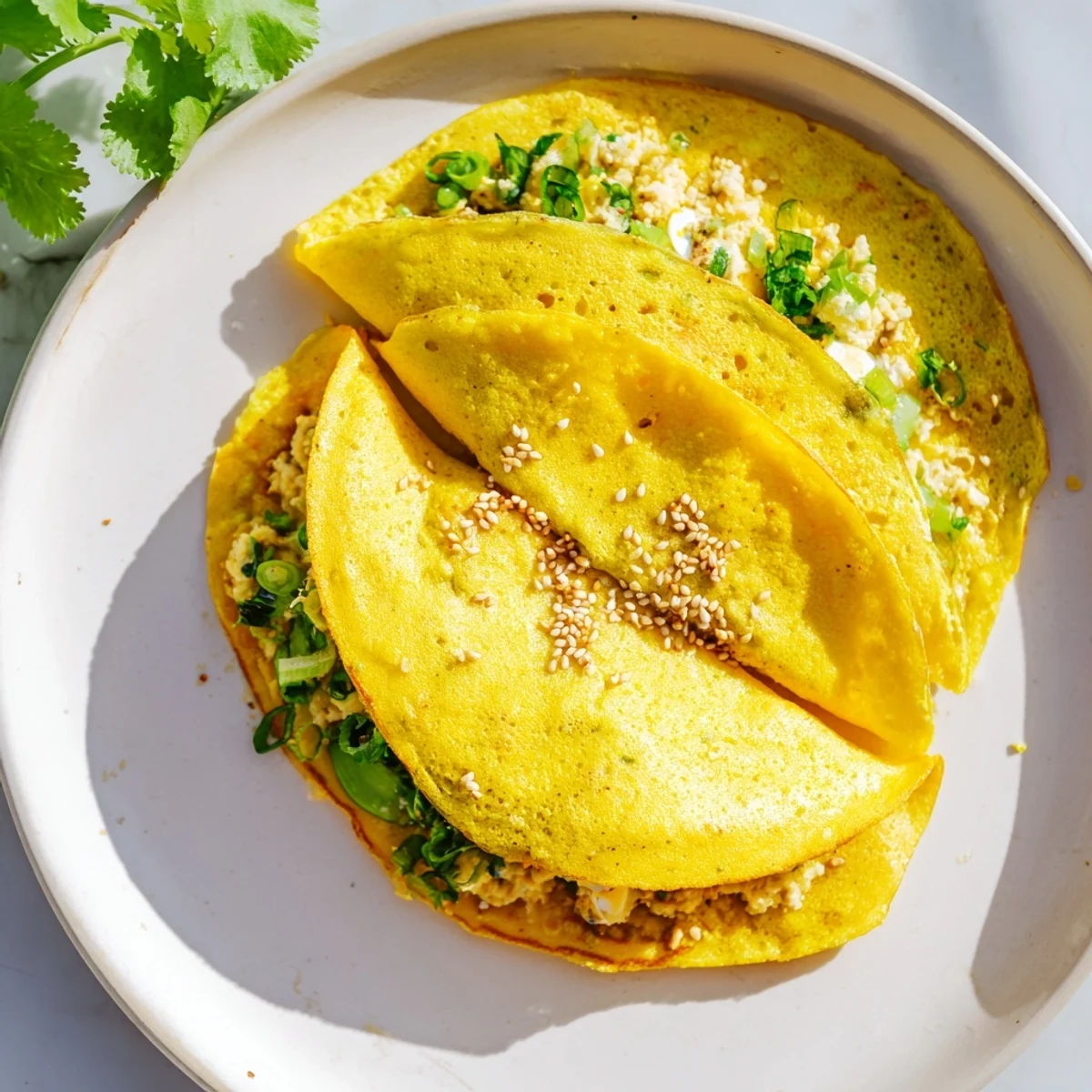
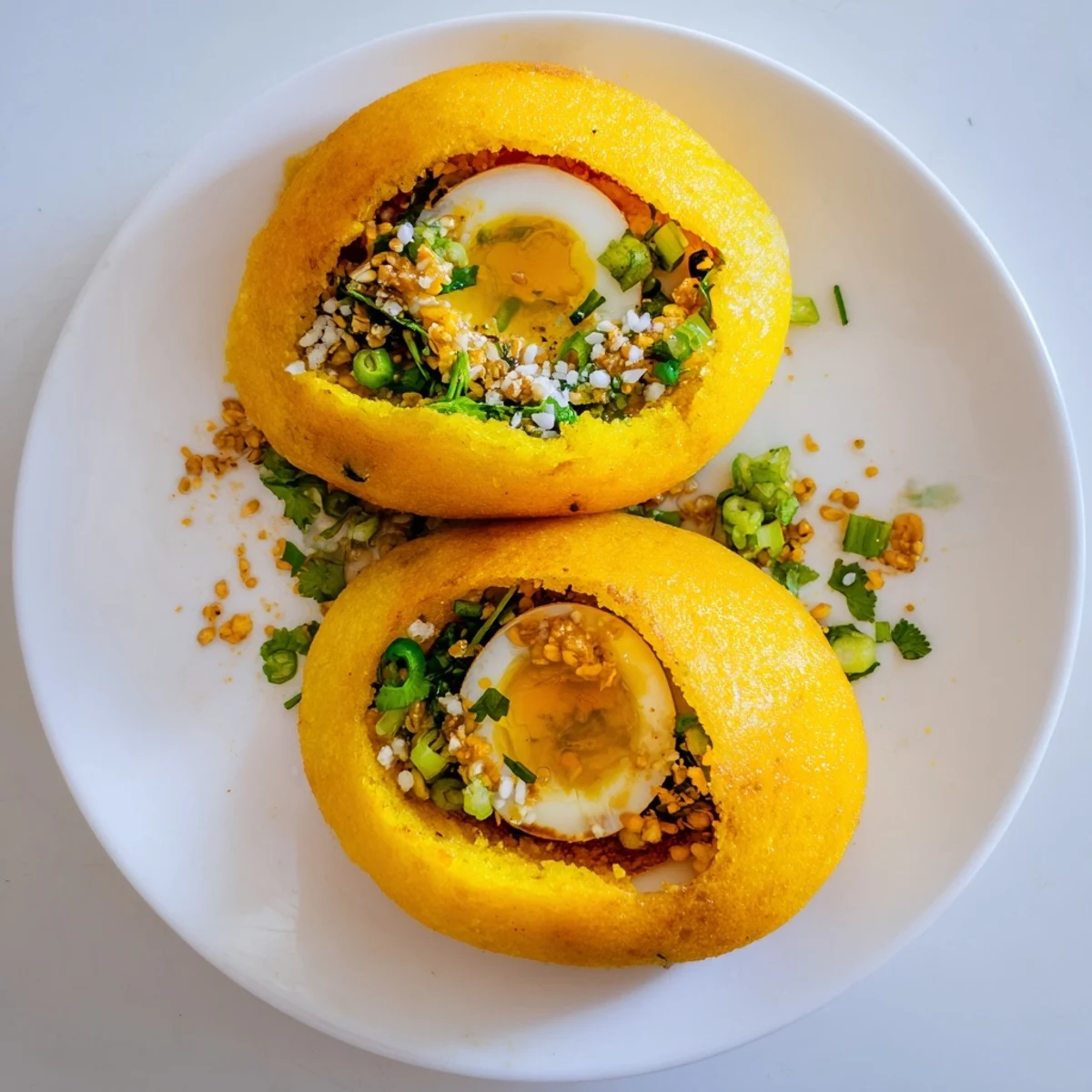
Save Mont Lin Ma Yar brings the vibrant flavors of Burmese street food to your kitchen. These golden rice flour pancakes achieve a perfect balance—crispy edges with tender, steam-cooked centers. The traditional method uses a special pan to create dome-shaped halves that are paired together, hence the name meaning husband and wife.
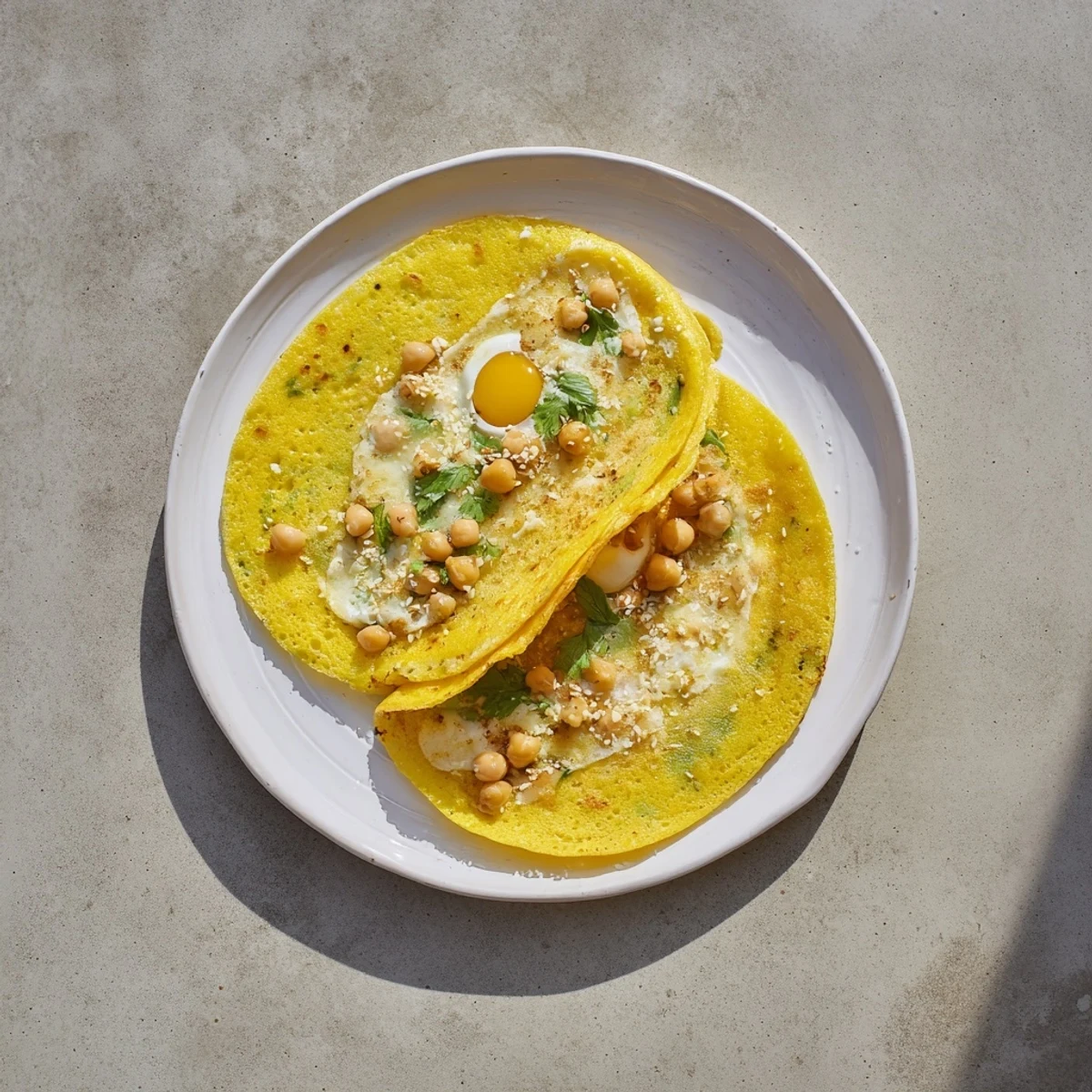
Each bite layers savory elements: earthy chickpeas, rich quail eggs, fresh cilantro, and aromatic scallions. The turmeric-infused batter adds subtle color and depth. While a takoyaki or aebleskiver pan yields the most authentic shape, a mini muffin tin works beautifully for home cooks. Serve hot from the pan for the best texture experience.
The golden turmeric hue of these Burmese pancakes always catches me off guard, like little suns rising from a crowded street vendor cart in Yangon. I spent a whole afternoon watching an elderly auntie flip them with practiced ease, her hands moving faster than I could follow, while the scent of toasted sesame wrapped around everyone waiting in line. Their name translates to husband and wife, two halves pressed together, and something about that symbolism stuck with me long after I left.
My first attempt at these ended in disaster, the batter sticking stubbornly to my makeshift pan while I frantically tried to pry them loose with whatever utensil I could grab. The smell of burning rice flour filled my tiny apartment, but I was determined to get it right. Three tries later, I finally understood that patience and the right amount of oil make all the difference between frustration and that perfect golden flip.
Ingredients
- 1 cup rice flour: This forms the delicate backbone of the batter, creating that signature lightness that distinguishes these from heavier pancakes
- 1/4 cup glutinous rice flour: The secret to getting those crispy edges while keeping centers tender and slightly chewy
- 1 1/4 cups water: Room temperature works best, letting the batter rest so the flours fully hydrate and smooth out
- 1/4 teaspoon turmeric powder: Beyond that gorgeous golden color, it adds an earthy undertone that grounds the brighter flavors
- 1/2 teaspoon salt: Just enough to wake up all the other ingredients without overwhelming the subtle balance
- 1/2 teaspoon sugar: A whisper of sweetness that makes the savory notes sing
- 8 quail eggs: Their petite size fits perfectly in each cavity, though small chicken eggs halved work beautifully too
- 1/4 cup cooked chickpeas: Lightly mashing them creates texture and pockets of nutty flavor throughout
- 2 tablespoons chopped scallions: Their mild onion bite brightens every other ingredient
- 2 tablespoons chopped fresh cilantro: Fresh herb notes cut through the richness and add vibrant color
- 1 tablespoon roasted sesame seeds: They toast slightly as the pancakes cook, releasing their signature nutty aroma
- 1/4 cup grated coconut: Optional but highly recommended, it adds subtle sweetness and texture
- 2 tablespoons vegetable oil: For keeping the pan well greased and ensuring those edges turn perfectly golden
Instructions
- Prepare the batter:
- Whisk both flours, turmeric, salt, and sugar in a mixing bowl until fully combined, then gradually pour in water while stirring to eliminate any lumps. Let the batter rest for 10 minutes so the flours can fully hydrate and the mixture achieves that silky, pourable consistency.
- Heat your pan:
- Set a takoyaki or aebleskiver pan over medium heat and brush each cavity with a light coating of vegetable oil. The pan is ready when a drop of batter sizzles gently on contact.
- Add the foundation:
- Pour about one tablespoon of batter into each cavity, filling them approximately two thirds full. Work quickly so the first ones dont start cooking before youve filled the last.
- Layer the fillings:
- Sprinkle a small spoonful of mashed chickpeas, some chopped scallions, and a few sesame seeds onto the batter in each cavity. Distribute them evenly so every bite gets a taste of everything.
- Add the eggs:
- Carefully crack a quail egg into each cavity, or place half a small chicken egg if substituting. Top each with a pinch of cilantro and grated coconut if using.
- Cover and cook:
- Place the lid on the pan and let everything cook for 3 to 4 minutes until the bottoms are golden and the egg whites have just set. The trapped steam helps cook the tops while keeping centers tender.
- Pair them together:
- Remove each pancake half carefully with a skewer or spoon, then immediately press two together with the filling sides facing in. Serve them hot while the edges are still at their crispest.
 Save
Save My friends gathered around the kitchen table that evening, skeptically eyeing the yellow halves before taking their first bites. Then came the silence that follows something truly delicious, followed quickly by demands for the recipe. I watched them reach for seconds, third helpings, until the entire platter was empty and someone was already asking when wed have them again.
The Perfect Pan Situation
Traditionalists swear by the cast iron takoyaki or aebleskiver pans, and I understand why the heavy, even heat distribution creates those textbook crispy exteriors. However, a mini muffin tin in a hot oven absolutely works when thats what you have, especially if you rotate it halfway through for even browning. The texture shifts slightly, becoming more cakey, but the flavors remain exactly as they should.
Making Them Your Own
Sometimes I skip the eggs entirely and double the chickpeas for a protein packed vegan version that feels just as satisfying. A drizzle of tamarind sauce over the top adds that sweet and sour complexity that Burmese cuisine does so beautifully. During summer, extra fresh herbs like mint or Thai basil bring a bright, cooling contrast to the warm, savory centers.
Serving and Storing
These are best the moment they come off the heat, when the contrast between crispy edges and soft centers is at its peak. If you need to make them ahead, undercook them slightly and reheat in a hot oven for a few minutes to restore some of that crunch. They never quite reach the same level as fresh, but they still disappear from the platter remarkably fast.
- Set up a station with small bowls of extra toppings so guests can customize their own
- Pair with a simple cucumber salad to balance the richness
- Make a double batch because the first one will vanish before you realize it
 Save
Save Theres something deeply satisfying about food that brings people together, two halves making a whole, a table full of friends reaching across for seconds. May your kitchen be filled with warmth and the scent of toasted sesame.
Recipe FAQs
- → What does Mont Lin Ma Yar mean?
-
Mont Lin Ma Yar translates to husband and wife in Burmese. The name refers to how these street snacks are traditionally served and eaten—as paired pancake halves sandwiched together, symbolizing unity and companionship.
- → Can I use chicken eggs instead of quail eggs?
-
Absolutely. Substitute 4 small chicken eggs, halved, for the 8 quail eggs called for in the original. You'll place one half egg in each cavity rather than cracking a whole quail egg. Adjust cooking time by 30-60 seconds as needed.
- → What pan works best for making these?
-
A takoyaki pan or aebleskiver pan yields the most authentic round shape with crispy exteriors. If unavailable, a mini muffin tin baked at 400°F (200°C) for 7–8 minutes produces excellent results. The key is creating those individual domed portions.
- → Is this dish gluten-free?
-
Yes, when made with certified gluten-free rice flour. The batter uses rice flour and glutinous rice flour, both naturally gluten-free. Always verify labels on packaged ingredients like pre-cooked chickpeas to avoid cross-contamination.
- → How do I store and reheat leftovers?
-
Store cooled pancake halves in an airtight container in the refrigerator for up to 2 days. Reheat in a dry skillet over medium heat for 2-3 minutes per side, or in a 350°F oven for 5-7 minutes until warmed through and edges regain crispiness.
- → Can I make these vegan?
-
Yes, simply omit the eggs entirely and increase the mashed chickpea filling. You might also add finely chopped vegetables like bell peppers, carrots, or spinach for additional texture and flavor. The cooking time remains the same.