
 Save
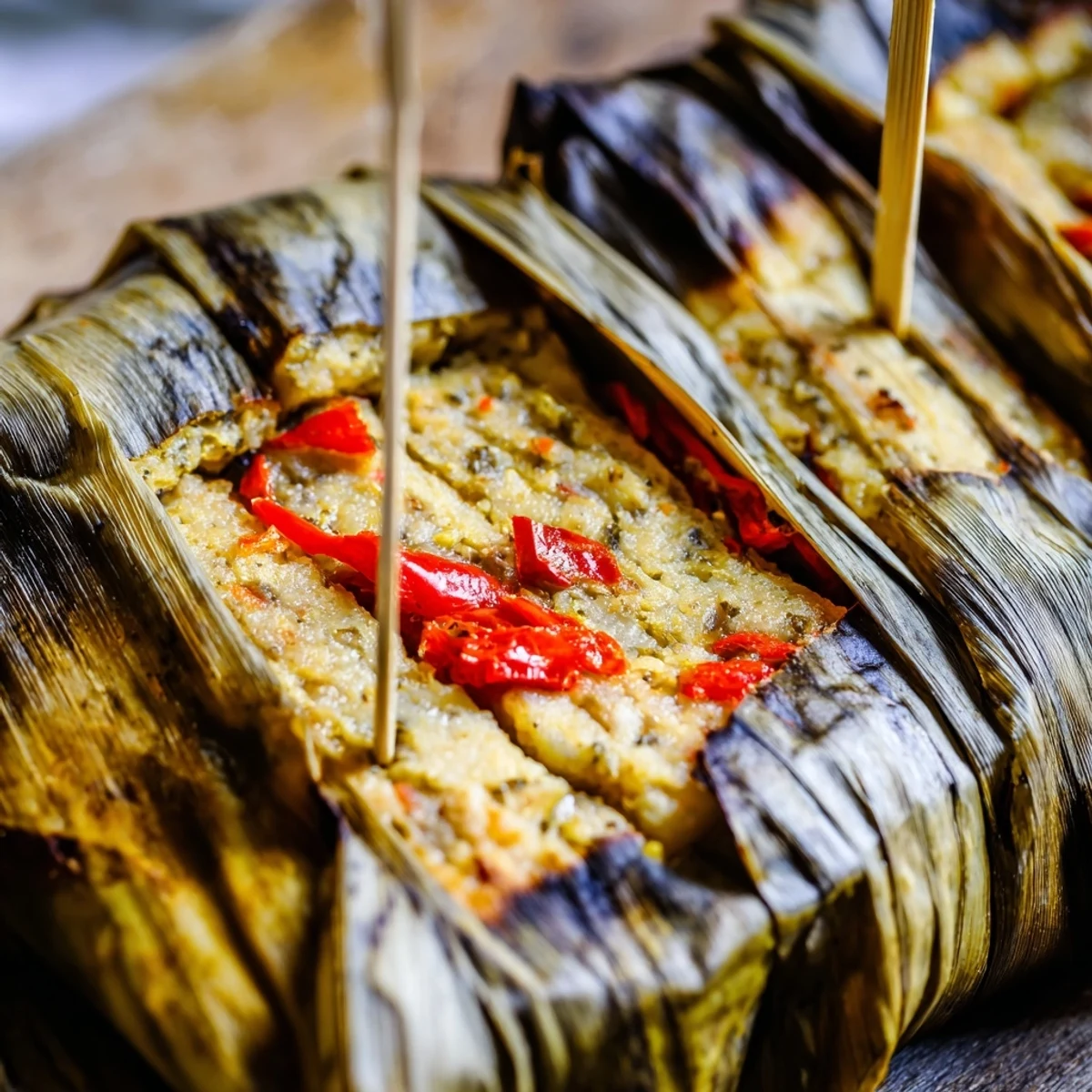
Save Experience the vibrant flavors of Malaysian street food with this authentic Otak Otak preparation. White fish fillets are blended with a rich spice paste featuring red chilies, lemongrass, galangal, turmeric, and belacan shrimp paste, then mixed with coconut milk and egg to create a silky custard. The mixture is wrapped in banana leaves and grilled until fragrant, developing a smoky aroma while the interior remains creamy and moist.
This Southeast Asian delight balances heat from fresh and dried chilies with the cooling sweetness of coconut milk. The banana leaf wrapper imparts an earthy fragrance while keeping the fish moist during cooking. Perfect as an appetizer or snack, served with steamed rice for a complete meal.
Preparation involves creating a smooth spice paste, mixing it with the fish and custard ingredients, then carefully wrapping portions in banana leaves before grilling. The result is a beautiful contrast of textures and bold, complex flavors characteristic of Malaysian cuisine.
The first time I bit into Otak Otak at a roadside stall in Penang, the smoky char of banana leaf gave way to this impossibly creamy, spicy interior that made me stop mid conversation. I spent weeks trying to recreate that experience, burning through several batches before understanding that the magic lies in how the fish custard steams inside its leaf wrapper. Now my apartment fills with lemongrass and toasted shrimp paste whenever I make these, and neighbors always appear at my door wondering what smells so incredible.
Last summer I made these for a dinner party, grilling them on the balcony while guests mingled inside. The moment I started opening the parcels at the table, that burst of aromatic steam had everyone reaching in before I could even finish plating. Now whenever friends request Malaysian food, this is always the first dish they mention.
Ingredients
- White fish fillets: Mackerel, snapper, or tilapia work best because their firm flesh holds up during blending and grilling without turning mushy
- Dried and fresh red chilies: The combination gives you both depth from dried chilies and bright heat from fresh ones
- Shallots, garlic, and lemongrass: This aromatic trio forms the backbone of Southeast Asian cooking and cannot be skipped
- Fresh turmeric: Use fresh if you can find it for earthy undertones, though ground works in a pinch
- Candlenuts or macadamia nuts: These add richness and help thicken the spice paste naturally
- Belacan (shrimp paste): Toast it first in a dry pan to mellow the funk and bring out deep umami notes
- Coconut milk: Full fat is essential here because it creates that luscious custard texture as the parcels cook
- Egg: This binds everything together into a silky smooth mixture that sets perfectly
- Rice flour: Just enough to stabilize the custard without making it heavy or doughy
- Kaffir lime leaves: Shredding them releases their citrusy floral oils throughout the mixture
- Banana leaves: Blanch them first so they are pliable enough to fold without cracking
Instructions
- Make the aromatic spice paste:
- Blend soaked dried chilies, fresh chilies, shallots, garlic, lemongrass, galangal, turmeric, candlenuts, and toasted belacan into a completely smooth paste, adding just enough coconut milk to help the blades catch
- Prep the fish:
- Cut the fish into small chunks or pulse it briefly in the food processor, being careful not to turn it into a puree
- Whisk the custard base:
- Combine coconut milk, egg, rice flour, salt, and sugar in a large bowl until the mixture is smooth and slightly thickened
- Combine everything:
- Stir the spice paste into the coconut milk mixture until fully incorporated, then fold in the fish pieces and shredded kaffir lime leaves
- Wrap in banana leaves:
- Place a blanched banana leaf shiny side up, spoon 3 to 4 tablespoons of filling in the center, fold the sides over like an envelope, and secure both ends with toothpicks
- Grill to perfection:
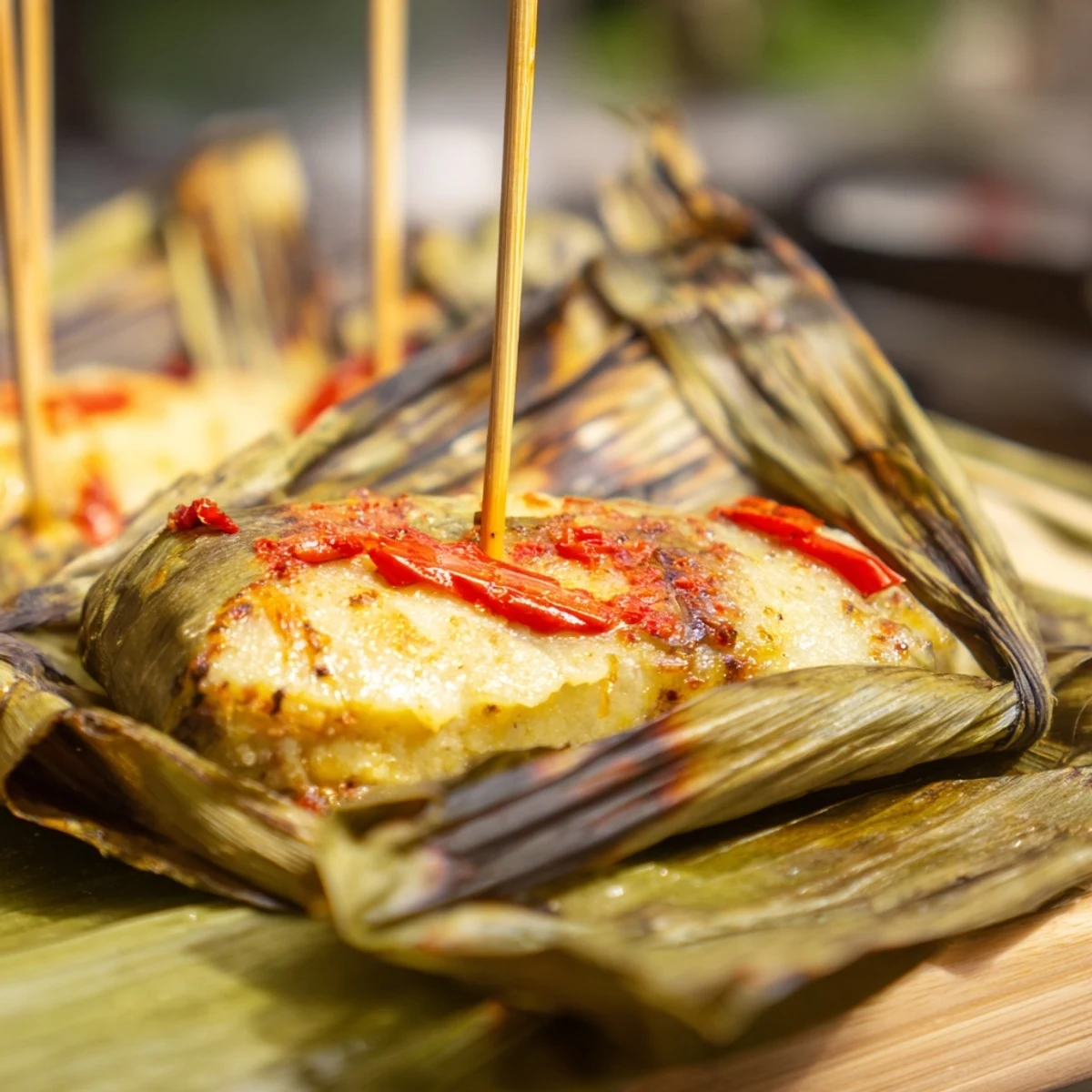
- Cook the parcels over medium high heat for 7 to 8 minutes per side until the banana leaf is charred and the custard feels firm when pressed
 Save
Save These parcels have become my go to for introducing friends to Malaysian flavors because they are so unintimidating yet packed with complex spices. Something magical happens when people unwrap their own little gift at the table, the steam escaping carrying all those fragrant notes.
Making It Ahead
I always double the spice paste and freeze half in portioned bags because it takes the same effort either way. The wrapped parcels can be frozen raw for up to a month, then grilled straight from the freezer with just a few extra minutes on each side.
Grilling Versus Steaming
Grilling gives you that essential char and smoky banana leaf perfume, but steaming produces a more delicate, silky texture. When I am cooking for purists, I grill, but for a gentler version that my nieces prefer, I steam and finish quickly under the broiler for color.
Serving Suggestions
These are fantastic as passed appetizers at parties or as part of a larger Malaysian spread with rice and sambal vegetables. The parcels reheat beautifully on a hot grill for a minute or two if you need to make them in advance.
- Squeeze fresh lime over each parcel right before eating to brighten all the rich spices
- Set out small bowls of extra sambal for guests who want more heat
- Pare with cold beer or a crisp white wine to cut through the coconut richness
 Save
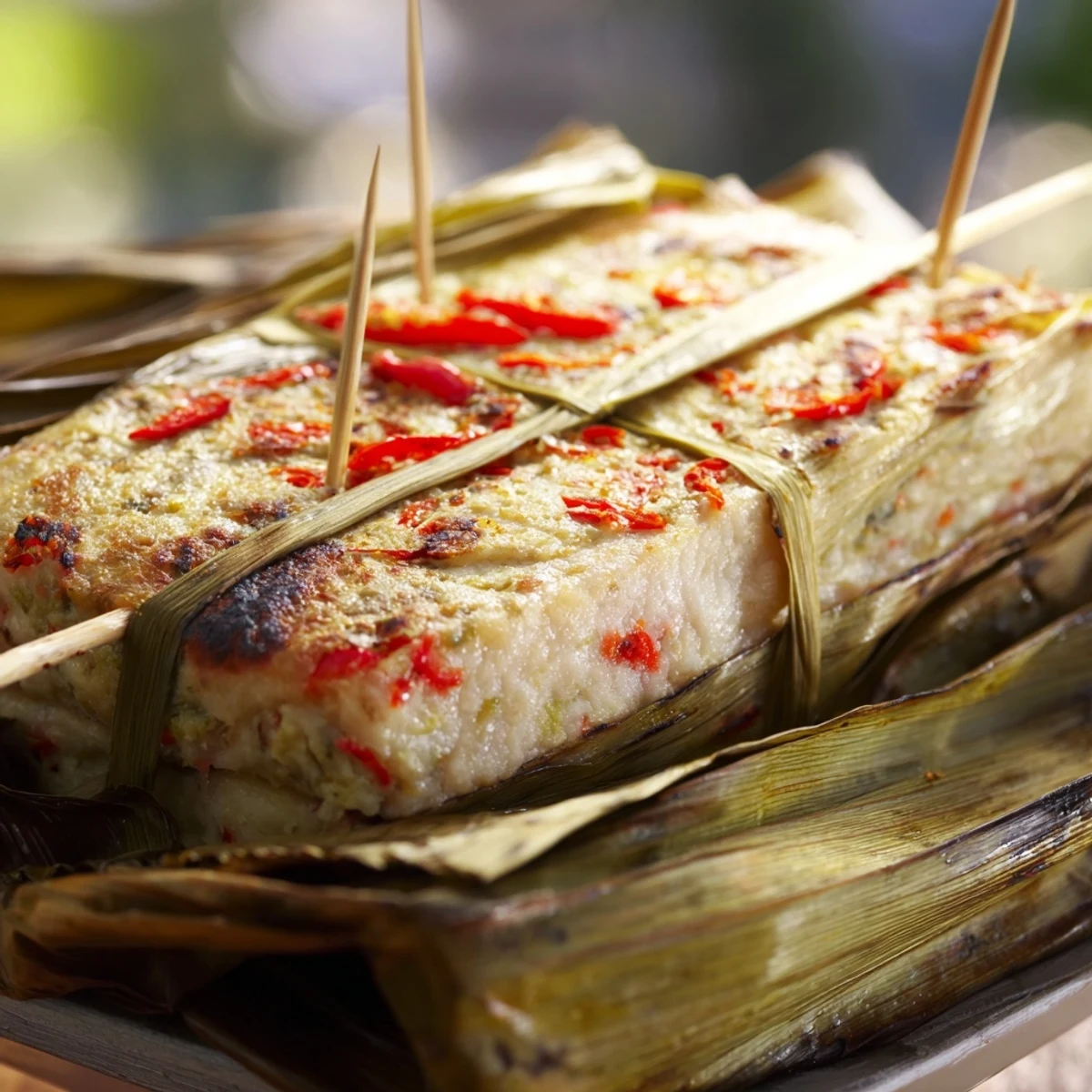
Save There is something deeply satisfying about food that comes in its own edible package, like a little present you get to unwrap. These always disappear faster than I expect, with guests reaching for seconds before the first round is even finished.
Recipe FAQs
- → What type of fish works best for Otak Otak?
-
White fish fillets with firm texture like mackerel, snapper, or tilapia work exceptionally well. These varieties hold their shape during cooking and absorb the aromatic spices beautifully while maintaining a flaky, tender texture.
- → Can I steam instead of grill the parcels?
-
Absolutely. Steaming for 15-18 minutes produces a softer, more delicate texture while grilling creates a smoky flavor and slightly firmer custard. Both methods yield delicious results, though traditional preparation favors grilling for the characteristic charred aroma.
- → What can I substitute for banana leaves?
-
Parchment paper makes an excellent substitute if banana leaves are unavailable. While you'll miss the subtle earthy aroma that banana leaves impart during cooking, parchment paper effectively protects the fish mixture and prevents sticking during grilling or steaming.
- → How spicy is this dish?
-
The spice level is medium and customizable. Dried and fresh red chilies provide noticeable heat, but the coconut milk tempers the spiciness. For milder flavor, remove all chili seeds or reduce the quantity. The dish balances heat with aromatic warmth from galangal and turmeric.
- → Can I prepare the mixture in advance?
-
The fish and spice mixture can be prepared up to 24 hours ahead and stored refrigerated. This actually allows the flavors to meld and develop more depth. Wrap in banana leaves just before cooking for the freshest presentation and best texture.
- → What does belacan taste like?
-
Belacan is a fermented shrimp paste that adds deep umami richness and savory depth to the dish. It has a strong, pungent aroma when raw but mellows into a complex, salty-savory flavor when cooked. It's essential for authentic Southeast Asian flavor.