
 Save
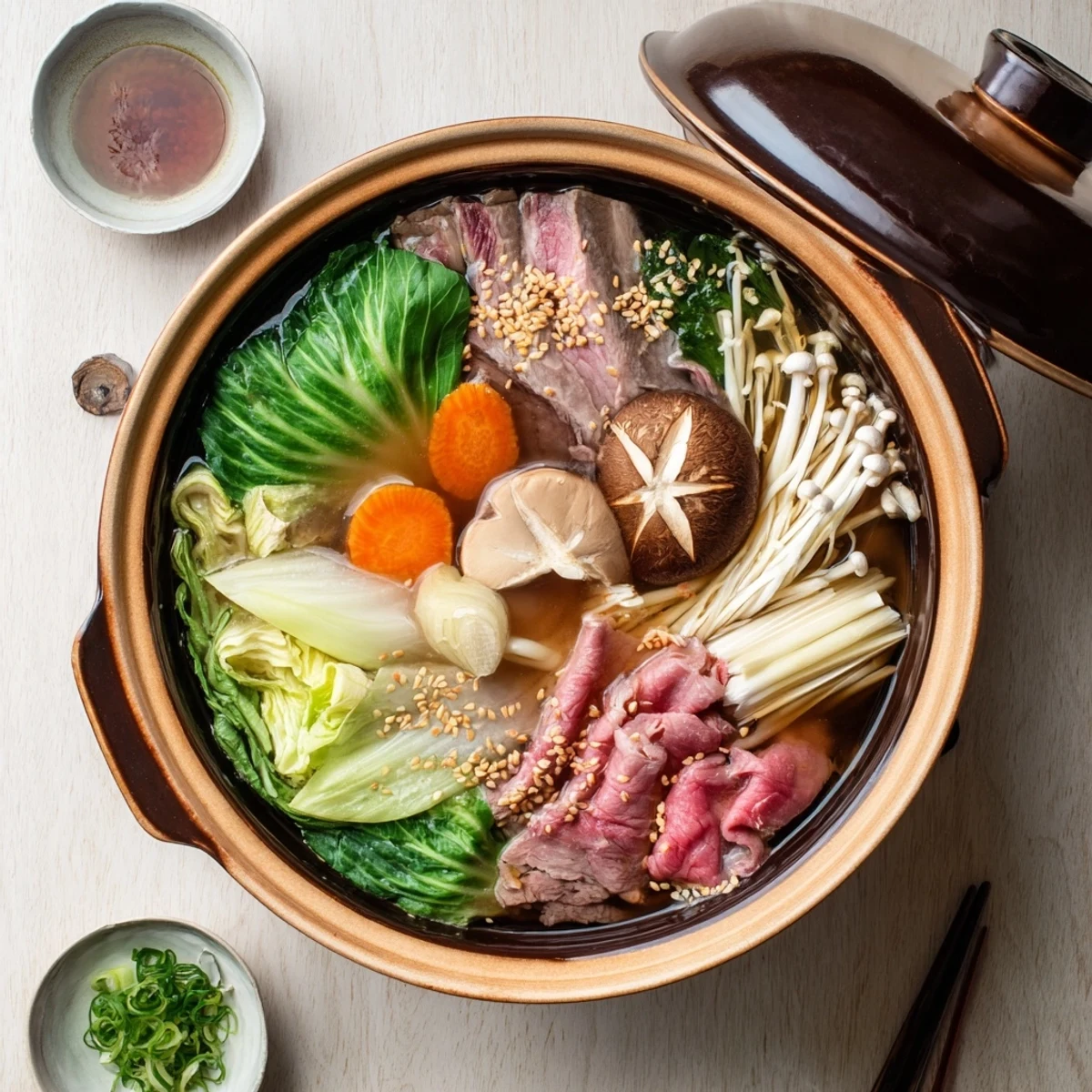
Save Experience the communal joy of Japanese shabu shabu, where thinly sliced beef sirloin, pork loin, and an array of fresh vegetables become tender perfection through gentle swishing in simmering dashi broth. The interactive tabletop cooking brings friends and family together, creating memorable dining moments.
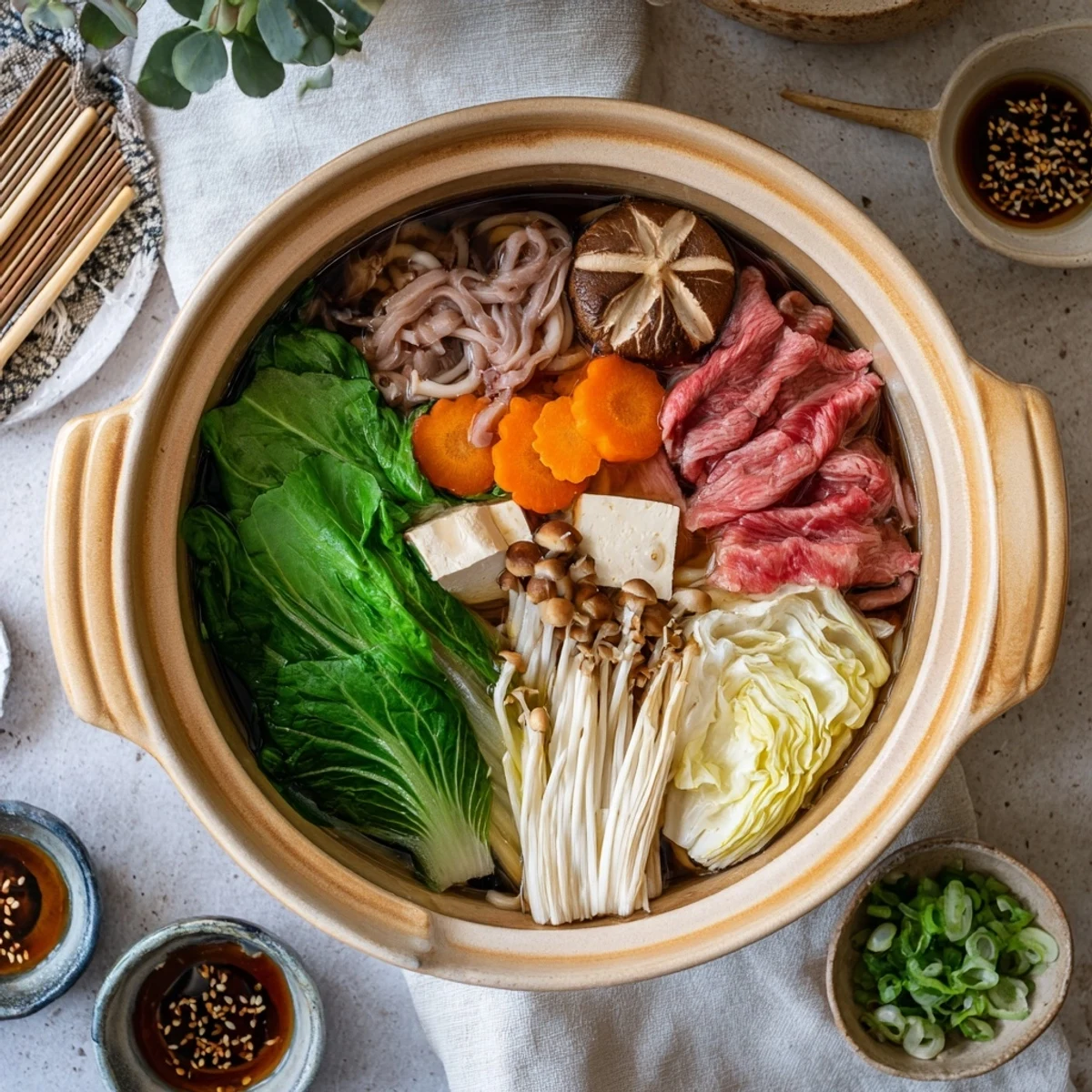
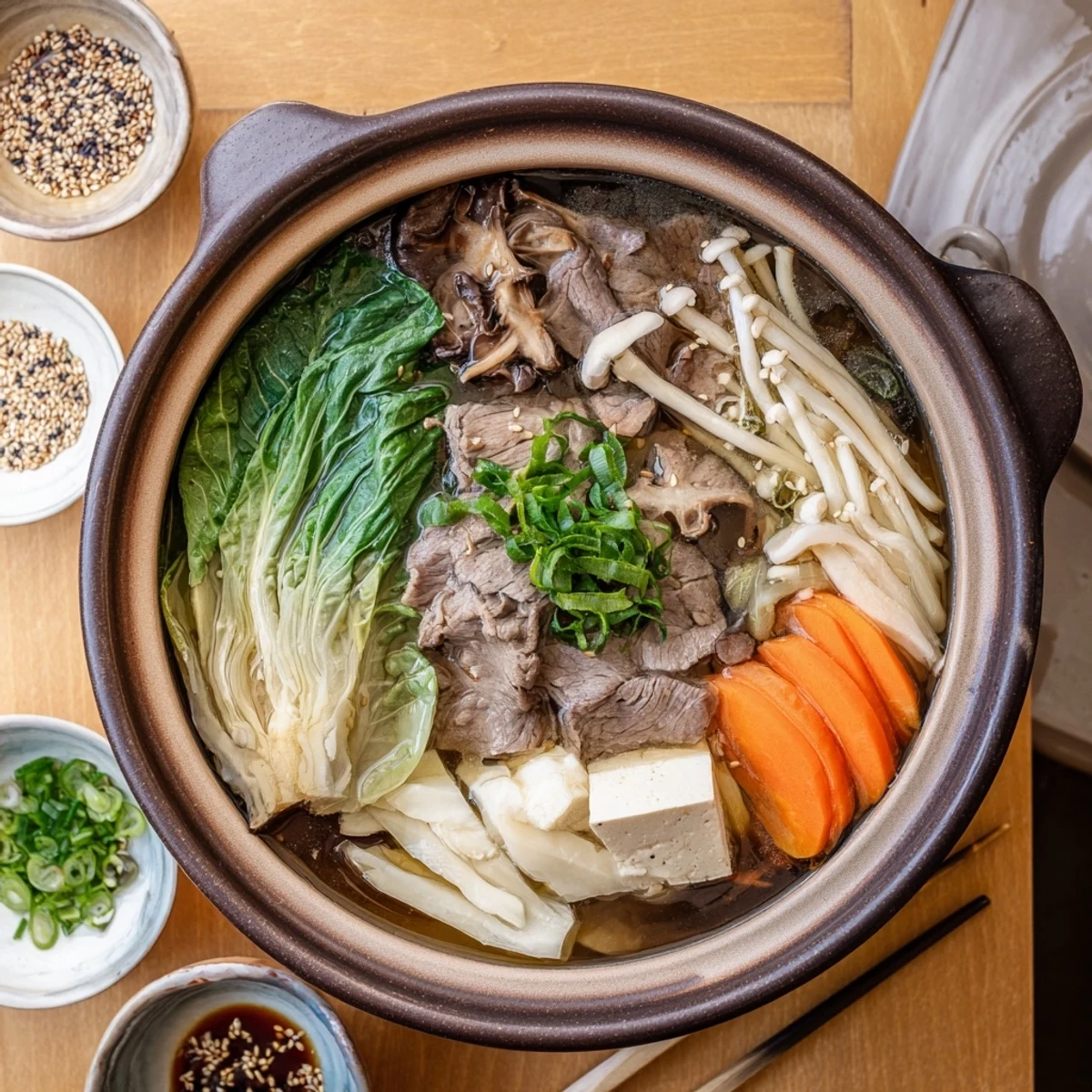
Fresh Chinese cabbage, spinach, carrots, shiitake and enoki mushrooms, leeks, and silky tofu accompany premium meats, each element transforming in the aromatic kombu-infused broth. The grand finale arrives as udon noodles absorb the rich, concentrated flavors, completing this satisfying meal.
My first encounter with shabu shabu was at a tiny Tokyo restaurant where the owner demonstrated the swishing technique with infectious enthusiasm. The way she explained it, the name comes from the sound ingredients make as they dance through the broth. That evening taught me that hot pot is about the ritual as much as the food.
Last winter, I hosted a shabu shabu night during a snowstorm. There is something magical about gathering around steaming broth while winter winds howl outside. My friends lingered at the table for hours, cooking and talking, until we realized we had been there for four hours.
Ingredients
- 8 cups dashi stock: This forms the soul of your hot pot. If you cannot find dashi, low-sodium chicken broth works but the flavor profile shifts
- 2-inch piece kombu: Soaking this dried kelp in the broth for 30 minutes before heating adds deep umami notes
- 400 g thinly sliced beef: Ask your butcher to slice it paper-thin or freeze briefly and slice yourself
- 200 g thinly sliced pork loin: Optional but adds nice variety and a different texture from beef
- 1/2 Chinese cabbage: This becomes sweet and silky in the broth, a perfect contrast to the savory meats
- 1 bunch spinach: Trim the stems but keep leaves whole for easy swishing
- 1 large carrot: Thin slices add color and a slight sweetness that balances the savory elements
- 200 g shiitake mushrooms: Their meaty texture stands up well to the broth
- 200 g enoki mushrooms: These delicate mushrooms cook instantly and add wonderful texture
- 1 leek: Diagonal slices look beautiful and become meltingly tender
- 1 block tofu: Firm holds its shape better while silken absorbs more broth flavor
- 200 g udon noodles: Pre-cooked makes the final course effortless
- 1/2 cup ponzu sauce: Citrusy and bright, this cuts through rich meats
- 1/2 cup sesame sauce: Creamy and nutty, perfect for vegetables and tofu
- 2 green onions: Fresh garnish adds a sharp bite that wakes up the palate
- 2 tbsp toasted sesame seeds: Toast them just before serving for maximum aroma
Instructions
- Prepare the foundation:
- Place the kombu in dashi stock and let it soak for 30 minutes. Heat gently and remove the kombu just before boiling to prevent bitterness. Keep the broth at a gentle simmer throughout the meal.
- Create your tableau:
- Arrange all ingredients on large platters, grouping meats together and organizing vegetables by type. Place tofu and noodles in separate sections. The visual appeal matters because everyone will be looking at this spread.
- Set the stage:
- Position your portable burner at the center of the table. Make sure there is enough space around it for platters and dipping bowls. Everyone should have easy access to the pot.
- The shabu shabu dance:
- Show guests how to swish meat back and forth in the broth for just 5 to 10 seconds. The sound and motion gave this dish its name. Vegetables take slightly longer, about 30 seconds.
- Sauce preference:
- Ponzu works beautifully with beef while sesame sauce pairs perfectly with tofu and vegetables. Encourage guests to experiment and find their favorite combinations.
- The grand finale:
- When most ingredients are gone, add udon noodles to the now incredibly flavorful broth. Simmer for a few minutes and serve this as a soul-satisfying finish.
 Save
Save My daughter now requests shabu shabu for her birthday dinner every year. It has become our family way of marking special occasions without the fuss of a formal restaurant meal. The conversations that happen around that pot are some of my favorite memories.
Setting the Perfect Table
I learned that individual dipping bowls make a significant difference in the experience. Small ramen bowls or even tea cups work beautifully for the sauces. Give each person their own small bowl for ponzu and another for sesame sauce so they can double-dip without worry.
Timing Your Ingredients
Some guests need guidance on how long to cook each ingredient. Create a small sign or simply explain that beef takes seconds while carrots might need a minute. The beauty of shabu shabu is that everyone controls their own doneness.
Building Your Broth Tradition
The final noodle course has become the most anticipated part of our hot pot meals. That broth, now infused with hours of cooking, transforms simple udon into something transcendent. I have started doubling the broth just so we have more for this ending.
- Keep some green onions aside specifically for the noodle course
- Have extra sesame seeds ready to sprinkle over the noodles
- Consider adding a beaten egg to the remaining broth for a silky finish
 Save
Save There is profound joy in cooking together instead of for each other. Shabu shabu creates that rare space where making the meal becomes the meal itself.
Recipe FAQs
- → What does shabu shabu mean?
-
Shabu shabu translates to the sound made when swishing thin meat slices through hot broth. This onomatopoeic name perfectly describes the gentle cooking motion that creates perfectly tender, lightly cooked meat and vegetables.
- → What meat works best for shabu shabu?
-
Thinly sliced beef sirloin or ribeye delivers exceptional tenderness and flavor. The paper-thin cuts cook instantly in the hot broth. Pork loin provides a leaner alternative, while chicken or seafood offer delicious variations for different preferences.
- → Can I make shabu shabu vegetarian?
-
Absolutely. Create a rich kombu dashi broth without bonito flakes, then load your hot pot with extra vegetables, tofu, and mushrooms. The vegetable-only version remains incredibly satisfying, especially when paired with the traditional dipping sauces.
- → What are the essential dipping sauces?
-
Ponzu sauce offers a bright citrusy note that cuts through rich meat, while creamy sesame sauce (goma dare) adds nutty depth. Having both available allows diners to customize each bite, creating a perfect balance of flavors throughout the meal.
- → How do I eat shabu shabu properly?
-
Use chopsticks to gently swish meat or vegetables in the simmering broth for just seconds until cooked. Dip immediately into your chosen sauce, then enjoy. Finish the meal by adding udon noodles to the now-flavorful broth for a comforting soup course.