
 Save
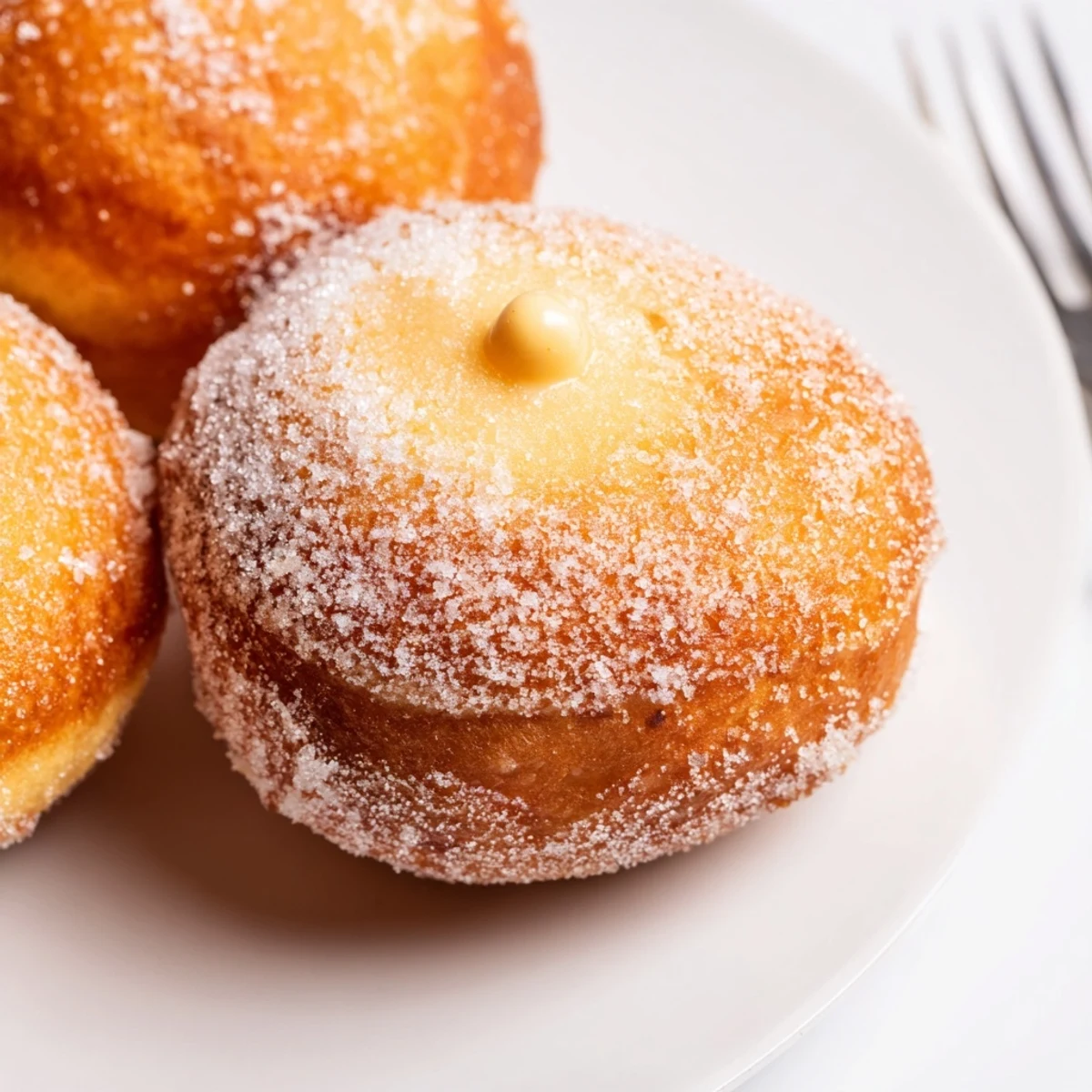
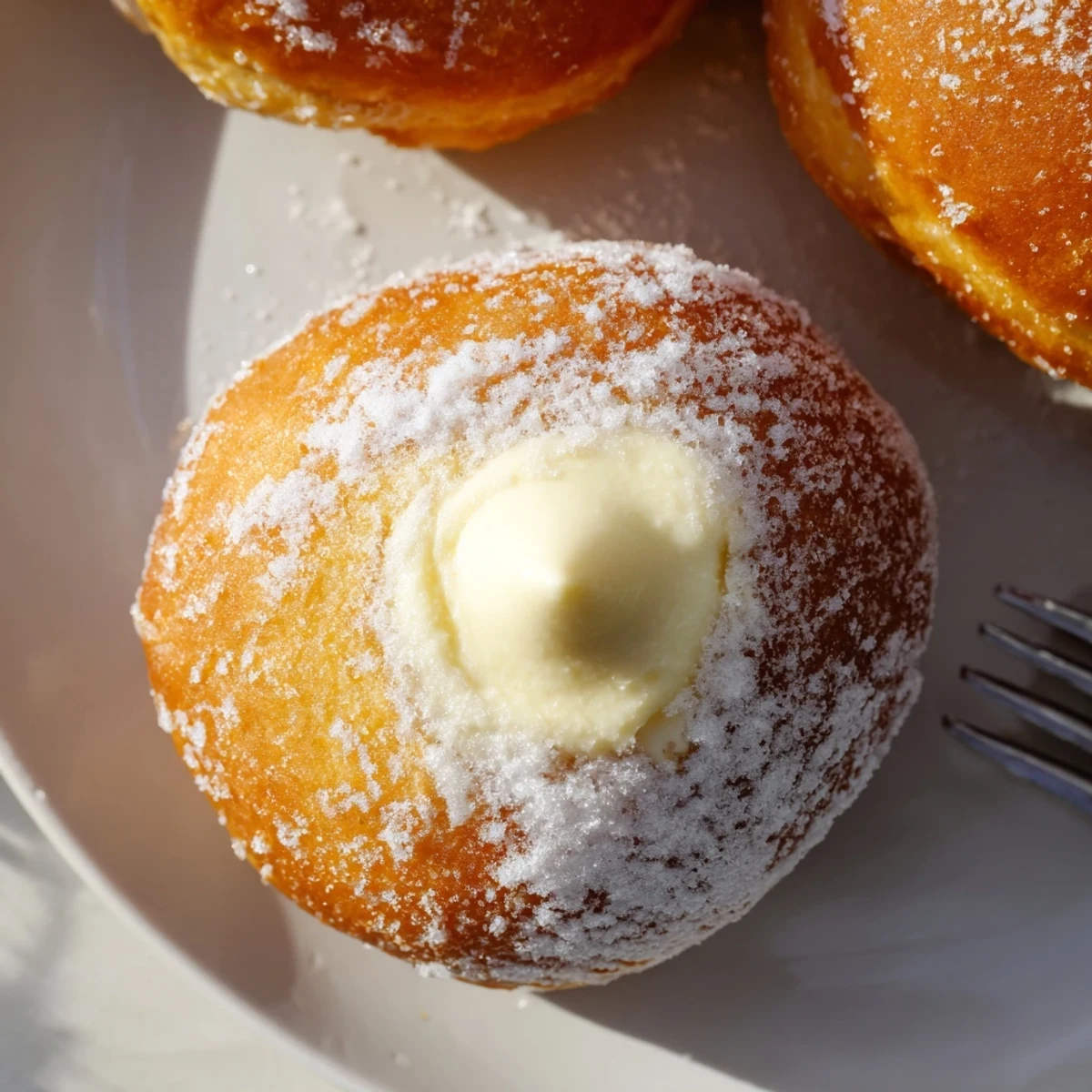
Save These beloved Italian pastries feature light, airy doughnuts fried to golden perfection and generously filled with luscious vanilla pastry cream. The dough develops wonderful flavor through a slow rise, while the silky custard filling balances sweetness with fresh lemon zest and creamy vanilla. Best enjoyed warm with a dusting of sugar and a strong espresso.
The tiny bakery around the corner from my apartment in Florence made these every morning at 7am, and I could smell the frying dough from two streets away. I started setting my alarm earlier just to get them warm, watching the nonna behind the counter gently pipe each one full of cream like she was filling a treasure chest.
Last December I made three dozen for my neighbors holiday party, hovering over the frying pan like a protective hawk. My husband walked into the kitchen asking what smelled like heaven, and I actually shushed him so I could concentrate on getting the oil temperature exactly right.
Ingredients
- 500 g all-purpose flour: This creates the perfect structure, sturdy enough to hold generous filling but still light and airy
- 60 g granulated sugar: Just enough sweetness in the dough without competing with the cream filling
- 7 g instant dry yeast: One packet gives reliable rise every single time, no guessing games
- 200 ml whole milk: Lukewarm is crucial, hot milk kills yeast, cold milk makes it work too slowly
- 60 g unsalted butter: Softened to room temperature so it incorporates evenly into the dough
- 2 large eggs: Room temperature eggs create better structure and help the dough rise properly
- 1 tsp vanilla extract: Pure vanilla makes all the difference in the final flavor profile
- 1/2 tsp salt: Balances sweetness and enhances all the other flavors
- Zest of 1 lemon: Fresh zest brings a bright aromatic note that cuts through the richness
- 500 ml whole milk: For the pastry cream, whole milk creates the silkiest texture
- 4 large egg yolks: The yolks make the custard rich and help it set properly
- 100 g granulated sugar: Sweetens the cream enough to stand up to the dough
- 40 g cornstarch: This thickens the custard perfectly without making it starchy tasting
- 1 tsp vanilla extract: Vanilla bean paste would be even better if you have it
- Zest of 1/2 lemon: A subtle brightness that keeps the cream from being too heavy
- 30 g unsalted butter: Adding butter at the end creates that glossy professional finish
- Vegetable oil: You need enough for deep frying, about 3 inches in your pan
- 100 g granulated sugar: For coating, extra fine sugar creates the most beautiful sparkle
Instructions
- Mix your dough base:
- In a large bowl combine the flour, sugar, yeast and salt until everything is evenly distributed
- Whisk the wet ingredients:
- In another bowl whisk together the lukewarm milk, eggs, vanilla extract and lemon zest until smooth
- Combine everything:
- Mix the wet and dry ingredients then add your softened butter and knead for 8 to 10 minutes until the dough is smooth and elastic
- Let it rise:
- Cover the bowl and place it somewhere warm for 1 to 1.5 hours until the dough has doubled in size
- Heat the milk:
- In a saucepan heat the 500ml milk with lemon zest until it is just simmering then remove from heat
- Prepare the yolk mixture:
- Whisk together the egg yolks, sugar and cornstarch in a bowl until completely smooth and pale yellow
- Temper the eggs:
- Gradually pour the hot milk into the yolk mixture while whisking constantly to prevent scrambling
- Cook the custard:
- Return everything to the saucepan and cook over medium heat for 2 to 3 minutes until very thick
- Finish the cream:
- Remove from heat and stir in the vanilla and butter then cover with plastic wrap touching the surface and chill completely
- Roll and cut:
- Punch down the dough and roll it out to 1.5 cm thickness then cut rounds with a 6 to 7 cm cutter
- Second rise:
- Place the rounds on a baking sheet, cover and let rise for another 30 to 40 minutes until puffy
- Heat your oil:
- Heat oil in a deep pan to 170C or 340F, use a thermometer to be precise
- Fry to golden:
- Fry the bomboloni in batches for 2 to 3 minutes per side until deeply golden brown
- Sugar coating:
- Drain on paper towels and immediately roll in granulated sugar while still warm
- Fill generously:
- Place the chilled cream in a piping bag with a long nozzle, poke a hole in each bombolone and pipe generously full
 Save
Save My friend Marco took one bite and closed his eyes, saying it reminded him of his childhood in Tuscany. That was the moment I realized these are not just doughnuts, they are edible memories.
Making The Perfect Pastry Cream
I learned the hard way that you must whisk the egg mixture continuously while pouring in the hot milk. One time I got distracted and ended up with sweet scrambled eggs, which my husband still teases me about three years later.
Getting The Rise Right
The dough needs a genuinely warm spot to rise properly. In winter I turn my oven on for exactly one minute, then turn it off and place the dough inside with the door cracked open. The residual warmth creates the perfect environment.
Frying Like A Pro
The first batch is always a tester to adjust your oil temperature. I keep a small piece of dough nearby to test the oil before committing a whole batch of perfectly risen bomboloni. Watch for that steady bubble pattern and adjust your heat as you go.
- Never overcrowd the pan or the oil temperature will drop dramatically
- Let them drain on a wire rack over paper towels, not directly on paper towels
- Sugar them immediately while they are still warm or it will not stick properly
 Save
Save There is something magical about standing at the counter with flour on your apron and sugar on your fingers, knowing you just created something that will make people close their eyes and smile.
Recipe FAQs
- → What makes bomboloni different from regular doughnuts?
-
Bomboloni are lighter and airier than American doughnuts, with a yeast-risen dough similar to brioche. They're always filled with pastry cream rather than glazed, and traditionally served warm, freshly fried, and rolled in granulated sugar.
- → Can I make the dough ahead of time?
-
Yes, the dough can be prepared and refrigerated overnight after the first rise. This actually enhances flavor development. Let it come to room temperature before rolling and frying for the best results.
- → What's the best way to fill bomboloni without making a mess?
-
Use a piping bag fitted with a long, narrow tip (Bismarck tip works well). Insert the nozzle into the side or bottom of each cooled doughnut and squeeze gently until you feel slight resistance. The cream will fill the hollow center beautifully.
- → Can I bake these instead of frying?
-
Baking yields a different texture—denser and more muffin-like rather than light and crisp. If baking, brush with melted butter before baking at 375°F (190°C) for 12-15 minutes, though they won't achieve the same authentic taste and texture.
- → How long do filled bomboloni stay fresh?
-
They're best enjoyed within 4-6 hours of filling. The oil in the dough eventually softens the pastry cream, affecting texture. Store unfilled doughnuts in an airtight container and fill just before serving for optimal freshness.
- → Can I use other fillings besides vanilla cream?
-
Absolutely. Chocolate pastry cream, Nutella, pistachio cream, or raspberry jam are delicious alternatives. Adjust the filling quantity based on consistency—thicker fillings like Nutella require gentle warming for easier piping.