
 Save
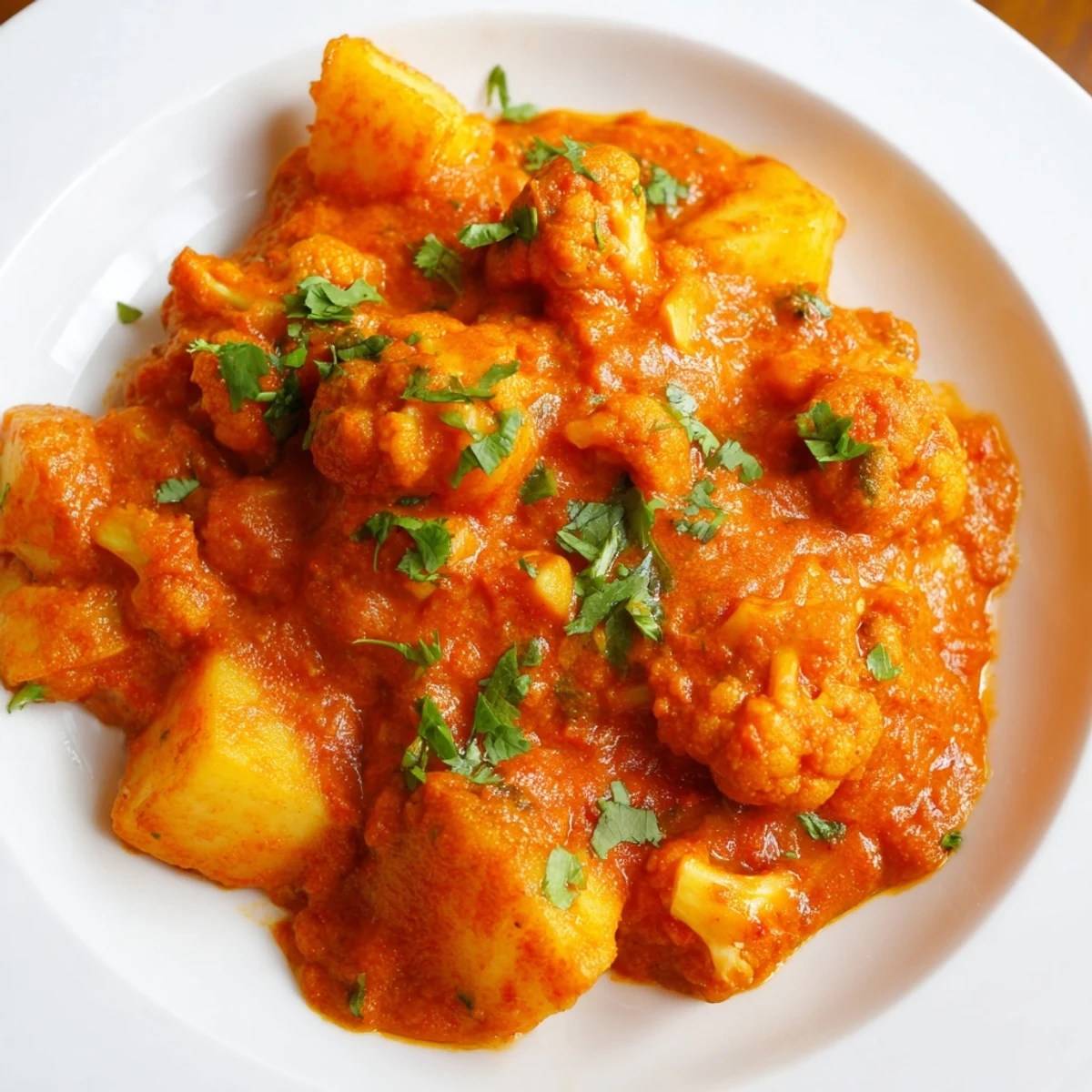
Save This comforting dish brings together tender potatoes and cauliflower florets simmered in a luxurious, buttery tomato sauce infused with aromatic Indian spices. The vegetables absorb the rich flavors of cumin, coriander, turmeric, and garam masala while becoming perfectly tender through gentle simmering. Finished with cream for silkiness and garnished with fresh cilantro, this satisfying vegetarian main works beautifully alongside steamed basmati rice or warm naan bread for soaking up the spiced sauce.
The first time I made this dish, my tiny apartment filled with such incredible aromas that my neighbor actually knocked on my door to ask what was cooking. I'd been experimenting with Indian spices for months, but something about the combination of butter, tomatoes, and cauliflower florets simmering together felt like magic. That night, eaten cross-legged on my living room floor with takeout naan, this recipe became a permanent fixture in my dinner rotation.
Last winter during a particularly brutal cold snap, I made a triple batch of this for friends who were feeling under the weather. Something about the warm spices and creamy comfort food seemed to work better than any medicine. They still ask me to make it whenever temperatures drop below freezing.
Ingredients
- 3 medium potatoes: Yukon Gold or russet work beautifully here, cut into uniform cubes so they cook evenly
- 1 medium head cauliflower: Fresh florets hold their shape better than frozen, though frozen works in a pinch
- 1 medium onion: Finely chopped creates the sweet aromatic base that carries the entire dish
- 2 large tomatoes: Fresh tomatoes break down beautifully into the sauce, creating natural sweetness
- 3 cloves garlic: Freshly minced releases more oils than jarred, giving you that authentic restaurant taste
- 1-inch fresh ginger: Grated fresh ginger provides warmth and depth that ground ginger simply cannot match
- 1 ½ tsp ground cumin: Earthy and slightly smoky, this forms the backbone of the spice blend
- 1 ½ tsp ground coriander: Adds a bright citrusy note that balances the richer spices
- 1 tsp ground turmeric: Gives the dish its signature golden color and subtle bitterness
- 1 tsp garam masala: The final warming spice blend that ties everything together
- ½ tsp chili powder: Adjust based on your heat tolerance, remembering that a little goes a long way
- 1 tsp salt: Start with this and adjust at the end, as salt needs time to permeate the vegetables
- ¼ tsp black pepper: Freshly ground adds a subtle warmth that complements the other spices
- 3 tbsp unsalted butter: The butter creates that luxurious restaurant quality sauce you crave
- 2 tbsp vegetable oil: Prevents the butter from burning while still adding richness
- ½ cup water: Creates steam to help cook the vegetables through without making the sauce too thin
- ⅓ cup heavy cream: Coconut cream makes a wonderful vegan alternative with just as much velvety texture
- 2 tbsp fresh cilantro: The bright herbaceous finish cuts through the rich creamy sauce
- Lemon wedges: A squeeze of fresh acid right before serving brightens all the warm spices
Instructions
- Build your aromatic foundation:
- Melt butter and oil together in your largest skillet or Dutch oven over medium heat, then add chopped onion. Let it soften slowly until golden and fragrant, about 5 minutes, stirring occasionally so it doesn't brown too quickly.
- Wake up the aromatics:
- Stir in minced garlic and grated ginger, cooking just 1 minute until you can smell them throughout your kitchen. Be careful not to burn them, or they'll turn bitter and ruin the delicate balance.
- Bloom your spices:
- Add cumin, coriander, turmeric, garam masala, chili powder, salt, and pepper all at once. Stir constantly for 30 seconds, watching as the spices darken slightly and release their essential oils into the hot fat.
- Coat the potatoes:
- Add cubed potatoes to the spiced oil, stirring gently to coat every surface in the aromatic mixture. Let them cook for 3 minutes, developing a slight sear that will help them hold their shape through simmering.
- Create the sauce base:
- Pour in chopped tomatoes and water, stirring everything together. Cover the pot and let it simmer for 10 minutes, until the tomatoes break down completely and the sauce begins to thicken around the potatoes.
- Add the cauliflower:
- Gently fold in cauliflower florets, being careful not to break them apart. Cover again and cook for 12 to 15 minutes, testing both vegetables with a fork until they're tender but not mushy.
- Add the luxurious finish:
- Reduce heat to low and stir in heavy cream, watching as the sauce transforms into something velvety and rich. Let it simmer uncovered for 3 to 4 minutes until slightly thickened.
- Taste and adjust:
- This is your moment to fine tune the seasoning. Add more salt if needed, another pinch of chili powder if you want more heat, or a splash more cream if the sauce seems too intense.
- Garnish and serve:
- Scatter fresh cilantro over the top and serve immediately with lemon wedges on the side. This dish needs something to soak up that incredible sauce, warm naan or fluffy rice are perfect.
 Save
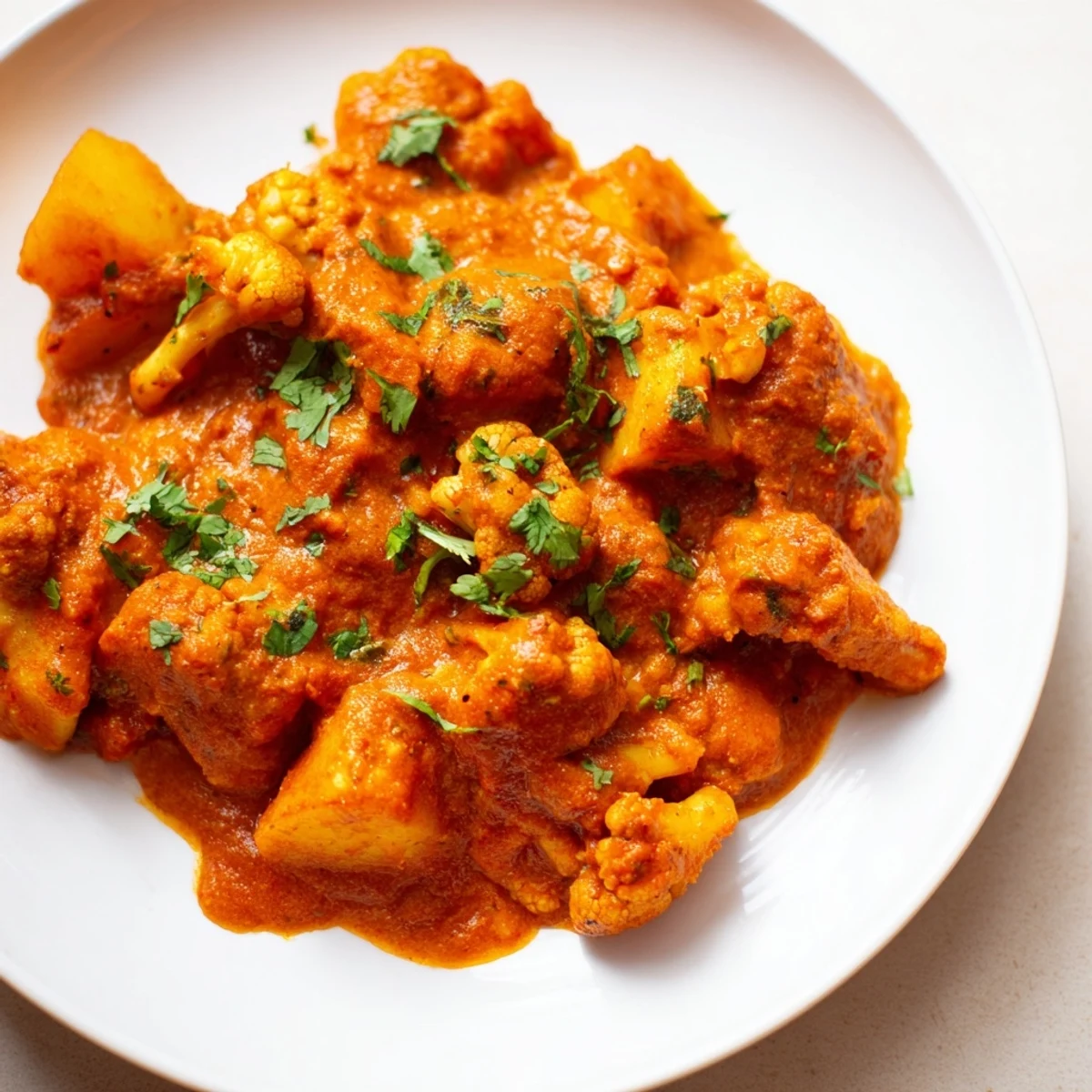
Save My sister who claims to hate cauliflower admitted she was picking around the potatoes just to get more of the spice coated florets. Watching someone discover they actually love a vegetable they've avoided for years is one of my favorite kitchen victories.
Getting The Texture Right
The key to restaurant quality results is cutting your vegetables into similar sizes, about one inch cubes. This ensures everything finishes cooking at the same time, so you dont end up with mushy potatoes alongside crunchy cauliflower. I've learned the hard way that rushing the prep work shows in the final dish.
Making It Your Own
Sometimes I add a cup of frozen green peas during the last 5 minutes of cooking for pops of sweetness and color. Other times, especially when serving guests who love heat, I'll add a chopped jalapeño along with the garlic and ginger. The recipe is remarkably forgiving and welcomes your personal touch.
Serving Suggestions That Work
While rice and naan are classic choices, I've also served this over quinoa for extra protein or alongside simple roasted chicken for non vegetarian friends. The sauce is versatile enough to pair with almost any grain or bread you have on hand.
- Make extra sauce intentionally, it refrigerates beautifully for up to four days
- Warm your serving bowls before plating, this dish stays hot much longer that way
- Set out extra lime wedges at the table, some guests love the bright acidity
 Save
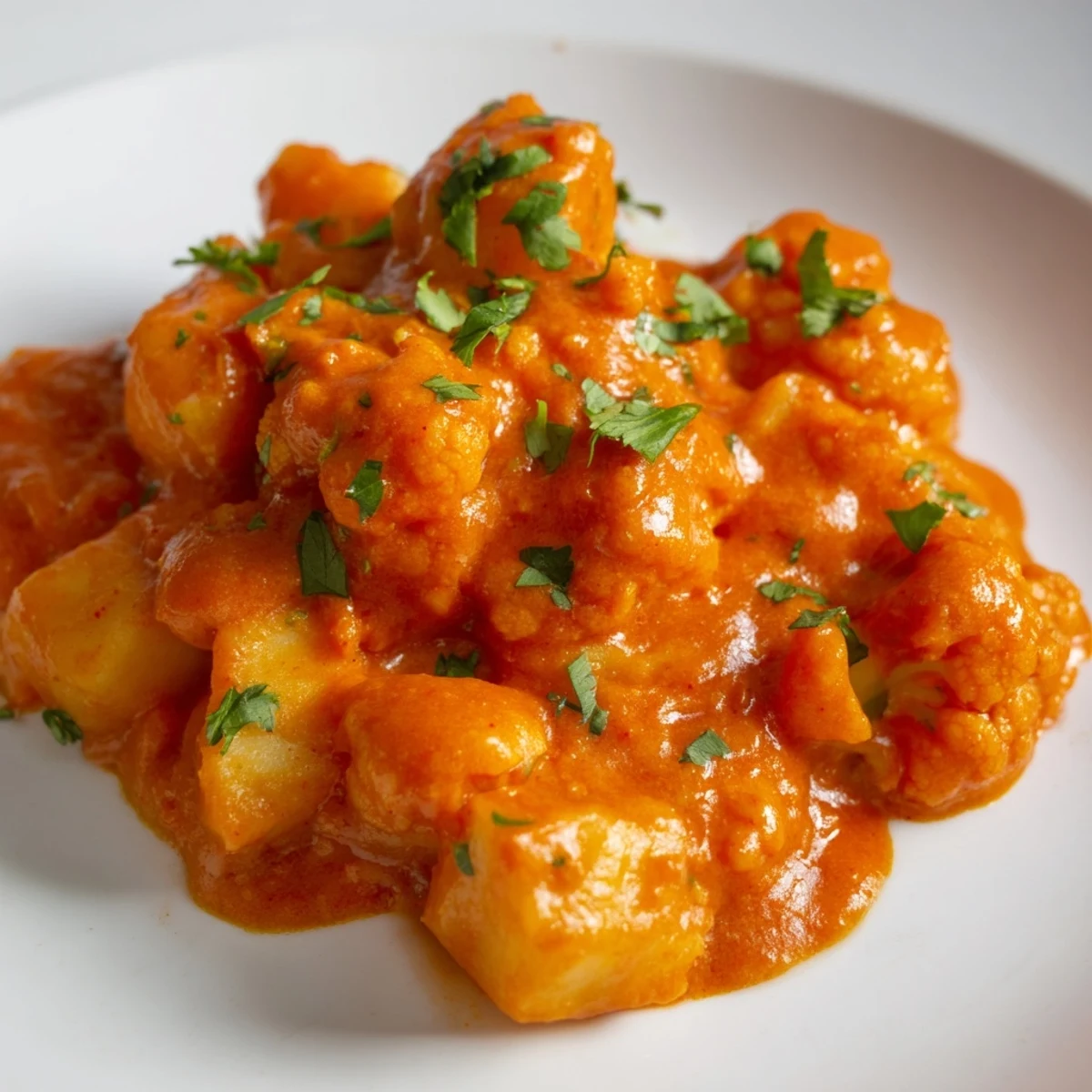
Save There's something deeply satisfying about a vegetarian dish that feels this indulgent and complete. I hope this recipe brings as much warmth to your kitchen as it has to mine.
Recipe FAQs
- → Can I make this dish vegan?
-
Yes, simply substitute the unsalted butter with plant-based butter or coconut oil, and replace the heavy cream with full-fat coconut cream or cashew cream. The flavors remain equally delicious and satisfying.
- → How do I prevent the cauliflower from becoming mushy?
-
Add the cauliflower after the potatoes have already cooked for 10 minutes. This timing ensures both vegetables finish cooking simultaneously. Avoid overcooking by checking tenderness with a fork after 12-15 minutes.
- → What can I serve with these spiced vegetables?
-
Steamed basmati rice creates a perfect pairing for soaking up the creamy sauce. Warm naan, roti, or other Indian flatbreads work wonderfully for scooping. For a lighter meal, serve alongside simple dal or green salad.
- → Can I add other vegetables to this dish?
-
Fresh green peas add lovely color and sweetness when added during the last 5 minutes of cooking. Chopped bell peppers or cubed butternut squash also complement the spice blend beautifully.
- → How spicy is this dish?
-
The spice level is medium and family-friendly. The chili powder provides gentle warmth without overwhelming heat. Adjust to your preference by reducing the amount or omitting it entirely for a milder version.
- → Can I prepare this in advance?
-
The flavors actually improve after sitting overnight. Prepare everything up to step 8, then cool and refrigerate. Reheat gently on the stove, adding a splash of water if needed to restore sauce consistency.