
 Save
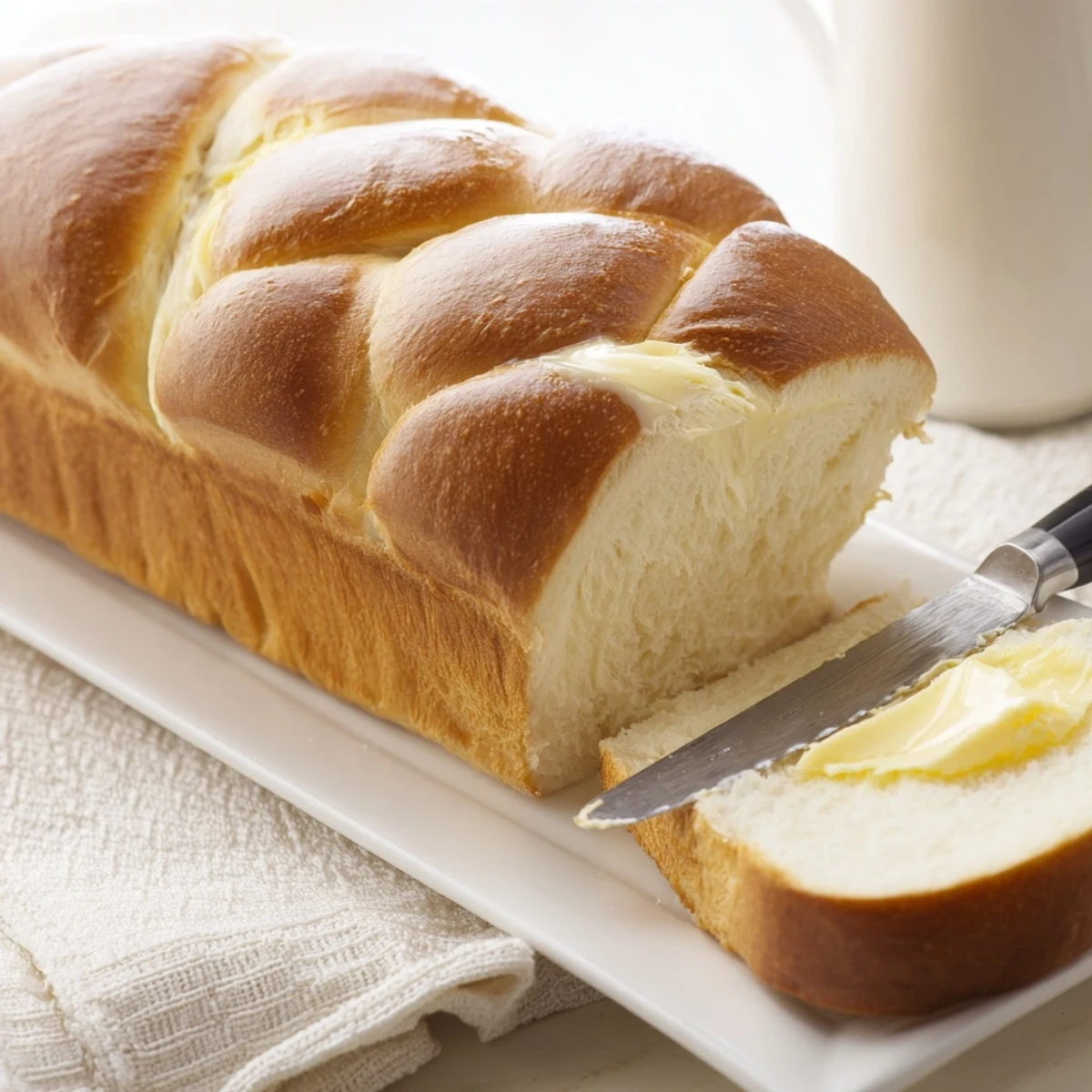
Save Create bakery-style white bread at home with this classic Amish technique. The dough combines warm water, sugar, yeast, and oil with all-purpose flour to produce two remarkably soft loaves with a tender crumb and subtle sweetness.
After mixing and kneading, let the dough rise until doubled, then shape into standard loaf pans. A second rise ensures the perfect texture before baking at 350°F until golden brown. Brush with melted butter for an extra soft crust.
This versatile bread excels as sandwich bread, transforms into exceptional French toast, and makes comforting bread pudding. Store in an airtight container for up to 4 days, or freeze for longer enjoyment.
The smell of fresh bread baking has this magical way of making a house feel like home, even on the most chaotic Tuesday afternoons. I stumbled across this Amish white bread recipe during a particularly frigid winter when my grocery delivery was delayed and I had nothing but basic pantry staples. That first afternoon, watching the dough rise in my drafty kitchen, I understood why this recipe has been passed down through generations of Amish families.
My youngest daughter accidentally discovered how amazing this bread is for grilled cheese during a summer power outage when we had to cook everything on a cast iron skillet over our fire pit. Something about the slightly sweet, tender crumb just transforms a simple cheese sandwich into something extraordinary. Now she requests this bread specifically whenever grilled cheese is on the menu, which is pretty often.
Ingredients
- Warm water: This temperature is crucial for waking up your yeast without killing it
- Granulated sugar: Feeds the yeast and contributes that signature gentle sweetness
- Active dry yeast: The living organism that makes the magic happen
- Salt: Essential for flavor and controlling the fermentation
- Vegetable oil or melted butter: Keeps the bread tender and adds richness
- All-purpose flour: The structure builder, start with 5 1/2 cups and adjust as needed
- Melted butter for topping: Creates that irresistible soft, golden crust
Instructions
- Activate the yeast:
- Dissolve sugar in the warm water and sprinkle yeast on top, then wait for that beautiful foamy layer to form
- Mix the dough:
- Stir in salt and oil, then gradually add flour until the dough pulls away from the bowl
- Knead it:
- Work the dough on a floured surface until it becomes smooth and elastic, usually about 8 minutes of good effort
- First rise:
- Place dough in a greased bowl, cover, and let it double in size in a cozy warm spot
- Shape the loaves:
- Punch down the dough, divide it in half, and gently shape each piece into a loaf for your pans
- Second rise:
- Let the dough rise again until it creeps about an inch above the pan rim
- Bake to perfection:
- Bake at 350 degrees until golden and hollow-sounding, then brush with butter while warm
 Save
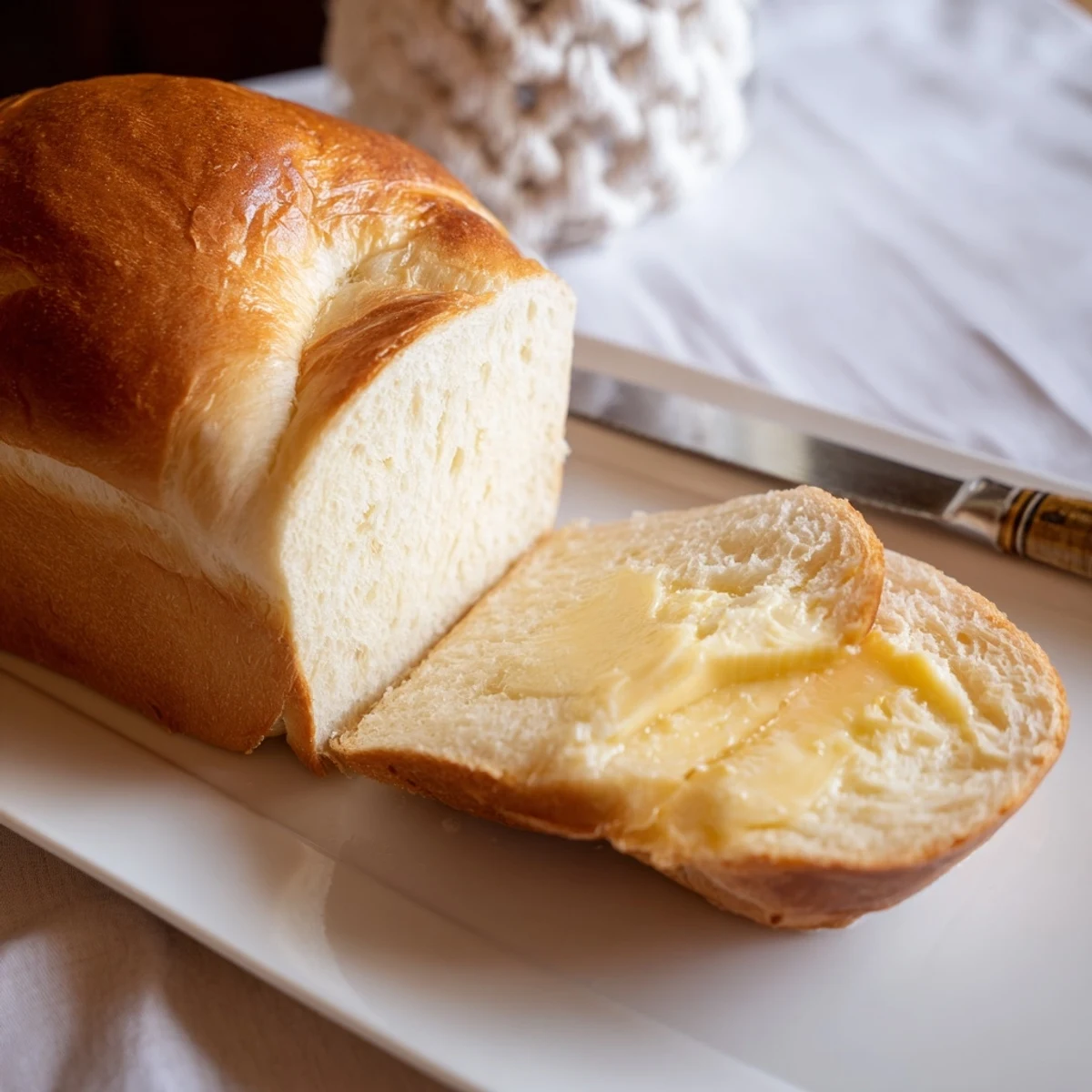
Save Last Thanksgiving, I made six loaves to give as gifts to neighbors, and honestly the reactions surprised me. One neighbor said it reminded her of her grandmother's bread, which she hadn't tasted in thirty years. That's the thing about simple, honest food like this—it carries memories and comfort in every slice.
Getting The Rise Right
I've learned that yeast is surprisingly temperamental about temperature. Too cold and it sulks, too hot and it dies completely. The sweet spot is barely warm to the touch, like a comfortable baby bottle. My best rises happen when I preheat my oven for literally thirty seconds, then turn it off and let the dough rise in that gently warmed space.
Flour Variations
While all-purpose flour creates the most traditional texture, I've successfully substituted whole wheat flour for up to half the total amount. The bread becomes denser and more nutty, which some people actually prefer. Just expect it to be a bit heavier and possibly require slightly less liquid since whole wheat absorbs more moisture.
Storing And Freezing
This bread keeps beautifully for about four days stored in an airtight bag at room temperature. After that, it starts to dry out a bit but makes phenomenal croutons or breadcrumbs. For longer storage, wrap cooled loaves tightly in plastic and then foil before freezing.
- Slice before freezing so you can grab just what you need
- Thaw frozen slices in the toaster for the best texture
- Never refrigerate bread, it actually makes it stale faster
 Save
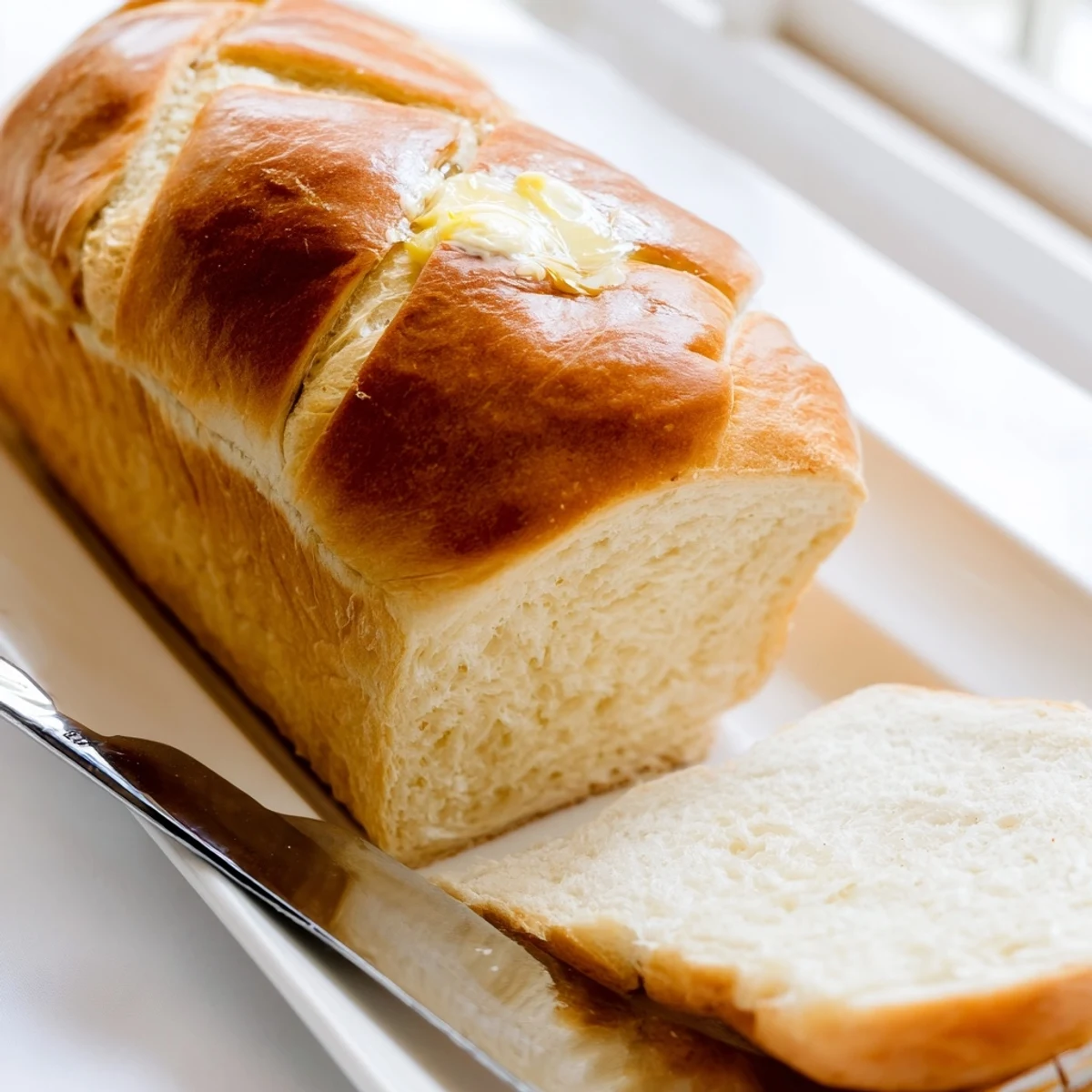
Save There's something deeply satisfying about pulling two golden loaves from the oven, knowing they came from your own hands and the simplest ingredients. May your kitchen always smell like fresh bread.
Recipe FAQs
- → Why is Amish white bread so soft?
-
The combination of sugar, oil, and proper kneading creates an exceptionally tender crumb. The fat content from oil keeps the bread moist while sugar promotes browning and subtle sweetness. Two proper rise periods allow the yeast to develop the structure that yields that characteristic fluffy texture.
- → Can I make this bread without a stand mixer?
-
Absolutely. This dough was traditionally made entirely by hand. Simply mix ingredients in a large bowl with a wooden spoon, then turn onto a floured surface and knead by hand for 6-8 minutes. The tactile method helps you understand when the dough reaches the right consistency—smooth, elastic, and slightly tacky but not sticky.
- → How do I know when the dough has risen enough?
-
Look for visual and physical cues. The dough should double in size during the first rise. For the second rise in the pans, wait until the dough crown rises about 1 inch above the pan rim. Gently press the dough with your fingertip—if the indentation remains, it's ready for the oven.
- → What's the purpose of brushing with butter after baking?
-
Brushing warm loaves with melted butter creates a softer, more tender crust. The butter adds richness and prevents the crust from becoming too hard or crisp. If you prefer a crunchier crust, simply skip this step or brush with water instead.
- → Can I substitute whole wheat flour?
-
You can replace up to half the all-purpose flour with whole wheat flour, though the texture will be denser and less fluffy. For best results, use white whole wheat flour or add vital wheat gluten (1 tablespoon per cup) to maintain structure. The rise time may increase slightly.
- → How should I store this bread?
-
Once completely cooled, store loaves in an airtight plastic bag or container at room temperature for up to 4 days. Avoid refrigeration, which accelerates staling. For longer storage, slice and freeze in freezer bags—thaw individual slices at room temperature or toast directly from frozen.