
 Save
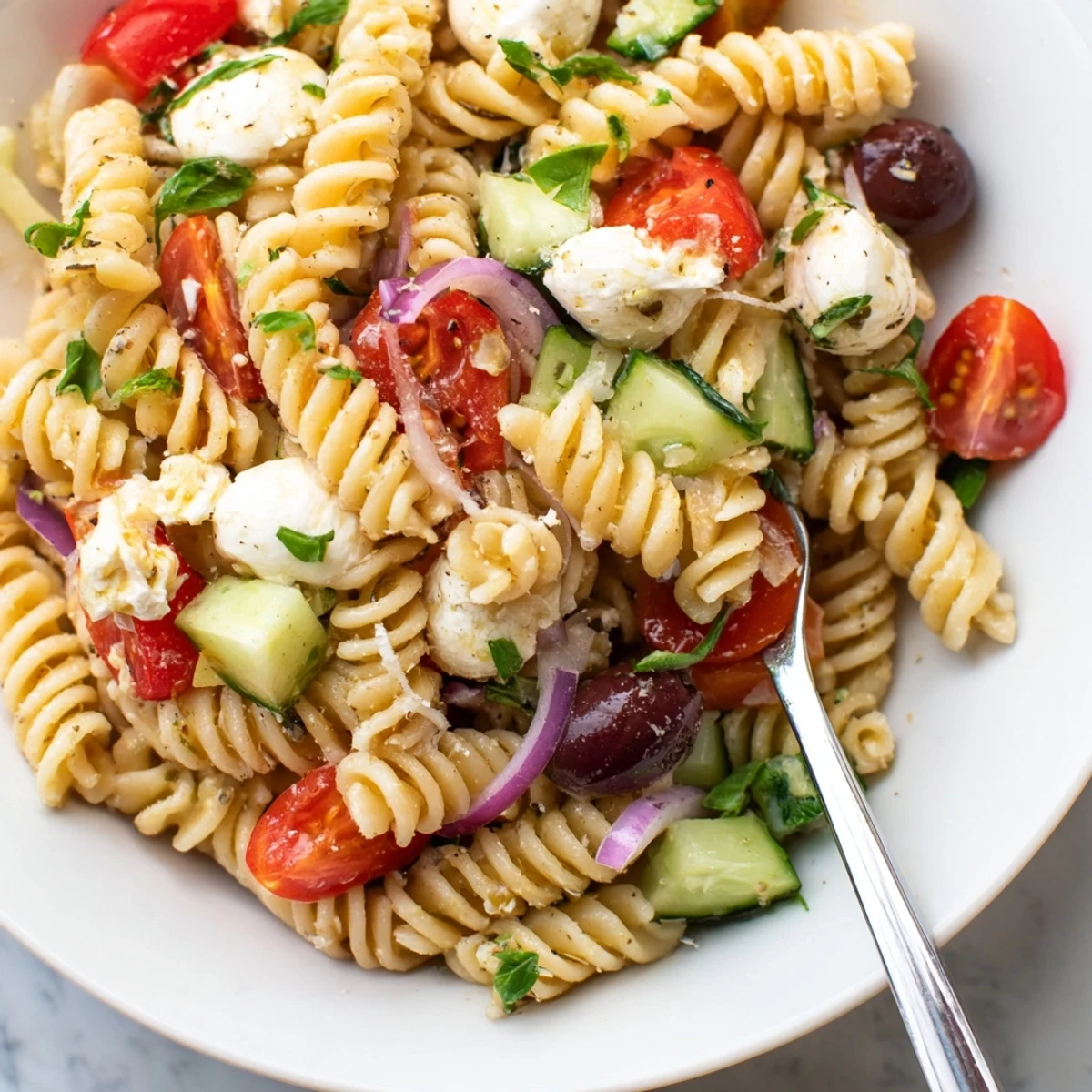
Save Cook gluten-free fusilli or penne until just al dente, then rinse under cold water to halt cooking. Toss with halved cherry tomatoes, diced cucumber, red bell pepper, red onion, sliced olives and chopped sun-dried tomatoes. Whisk olive oil, red wine vinegar, Dijon, garlic and Italian herbs, coat the salad, then fold in basil and parsley. Chill 15 minutes; add mozzarella or Parmesan if desired and adjust seasoning before serving.
The smell of basil and red wine vinegar always drags me straight back to my aunts tiny kitchen in Bologna, where she tossed everything together by hand and refused to measure a single thing. This gluten-free version of a classic Italian pasta salad came together one sweltering July afternoon when a friend with celiac dropped by unannounced for lunch. I panicked, raided the fridge, and ended up creating something that now shows up at every single gathering I host. It is proof that missing gluten does not mean missing joy.
I brought a massive bowl of this to a neighborhood potluck last summer and watched a very serious Italian grandmother go back for thirds. She cornered me later to ask about the dressing, and when I admitted it was gluten-free, she pinched my cheek and said nothing, which I chose to interpret as the highest compliment possible.
Ingredients
- Gluten-free fusilli or penne (300 g): Fusilli is my favorite because the spirals grab onto every drop of dressing and hold little pockets of flavor in each bite.
- Cherry tomatoes (1 cup, halved): Let them sit cut-side down for a few minutes before tossing so their juices start releasing into the salad.
- Cucumber (1 cup, diced): English cucumbers work best here since you avoid the watery seed problem that can make the salad soupy.
- Red bell pepper (1/2 cup, diced): This adds a crunch that survives even after a day in the fridge, which matters more than you think.
- Red onion (1/4 cup, finely chopped): Soak the pieces in cold water for ten minutes if you find raw onion too aggressive.
- Black olives (1/2 cup, sliced): Kalamata olives bring a briny depth that plain black olives simply cannot match.
- Sun-dried tomatoes (1/4 cup, chopped): These are the secret weapon, adding concentrated sweetness that balances the vinegar.
- Mozzarella balls (100 g, halved, optional): Bocconcini torn by hand instead of cut gives a rustic, creamy texture throughout.
- Grated Parmesan (1/4 cup, optional): A shower of this right before serving adds a salty finish that wakes everything up.
- Extra virgin olive oil (4 tbsp): Use the good stuff here since the dressing is raw and the flavor of the oil shines through completely.
- Red wine vinegar (2 tbsp): This is the backbone of the dressing, so do not substitute with white vinegar or you lose the Italian character.
- Dijon mustard (1 tsp): Just a teaspoon emulsifies the dressing and adds a subtle warmth most people cannot quite identify.
- Garlic (1 clove, minced): Smash it first, then mince, because smashing releases oils that chopping alone misses.
- Dried Italian herbs (1 tsp): Crush them between your palms before adding to wake up the essential oils that go dormant in the jar.
- Salt and black pepper (to taste): Season the pasta water generously since gluten-free pasta needs all the help it can get.
- Fresh basil (2 tbsp, chopped): Tear it with your fingers instead of cutting to prevent the edges from turning black.
- Fresh parsley (1 tbsp, chopped): Flat-leaf parsley only, and add it at the very end so it stays bright and grassy.
Instructions
- Cook the pasta right:
- Boil the gluten-free pasta in well-salted water according to the package directions, tasting a full minute before the suggested time because gluten-free pasta crosses from perfect to mushy in seconds. Drain and rinse immediately with cold water to halt the cooking and wash away excess starch.
- Build the salad base:
- In your largest mixing bowl, combine the cooled pasta with the cherry tomatoes, cucumber, bell pepper, red onion, black olives, and sun-dried tomatoes, tossing gently so you do not break the pasta.
- Add the cheese if using:
- Scatter the halved bocconcini and grated Parmesan over the top but hold off on mixing until the dressing is ready so the cheese gets coated evenly.
- Whisk the dressing:
- In a small bowl, whisk the olive oil, red wine vinegar, Dijon mustard, minced garlic, dried herbs, salt, and pepper until the mixture looks creamy and unified, which takes about thirty seconds of determined whisking.
- Bring it all together:
- Pour the dressing over the pasta and vegetables, then toss with a large spoon and your best instincts until every piece glistens and no dry pockets remain hiding at the bottom.
- Finish with fresh herbs:
- Fold in the torn basil and chopped parsley at the very end, treating them gently so they stay vibrant and fragrant rather than bruised and sad.
- Taste and chill:
- Have a bite right now while it is warm-ish and adjust the salt and vinegar as needed, then refrigerate for at least fifteen minutes so the flavors settle into something deeper and more cohesive.
 Save
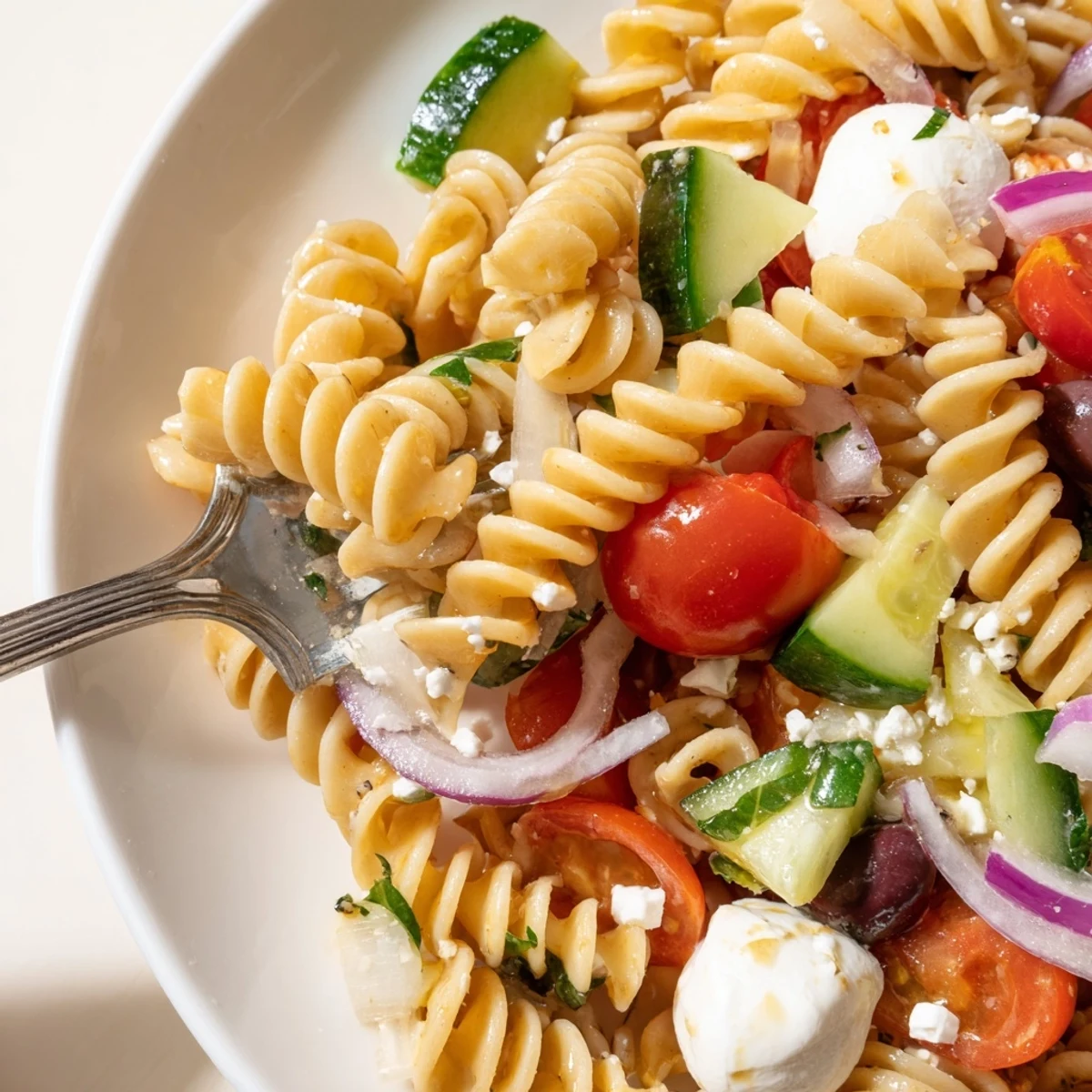
Save There is something about a big bowl of pasta salad sitting in the center of a picnic table that makes everyone relax a little and reach for seconds without overthinking it. This dish has a way of disappearing before the main course even makes an appearance.
Making It Your Own
The beauty of a pasta salad is that it forgives almost any substitution you throw at it. Try adding grilled chicken or a can of well-drained chickpeas if you want something more substantial for a standalone lunch.
Tools That Actually Help
A colander with small holes is critical because gluten-free pasta tends to be more fragile and can slip through wide gaps. Beyond that, a large bowl and a confident whisking hand are all you really need.
Storing and Serving Wisdom
If you are making this ahead, prepare the dressing separately and combine everything no more than a few hours before serving for the best texture.
- A quick drizzle of olive oil right before serving revives everything if it has been sitting in the fridge.
- Toss in the fresh herbs at the last possible moment for maximum fragrance and color.
- Always taste one more time after chilling because cold temperatures mute salt and acidity.
 Save
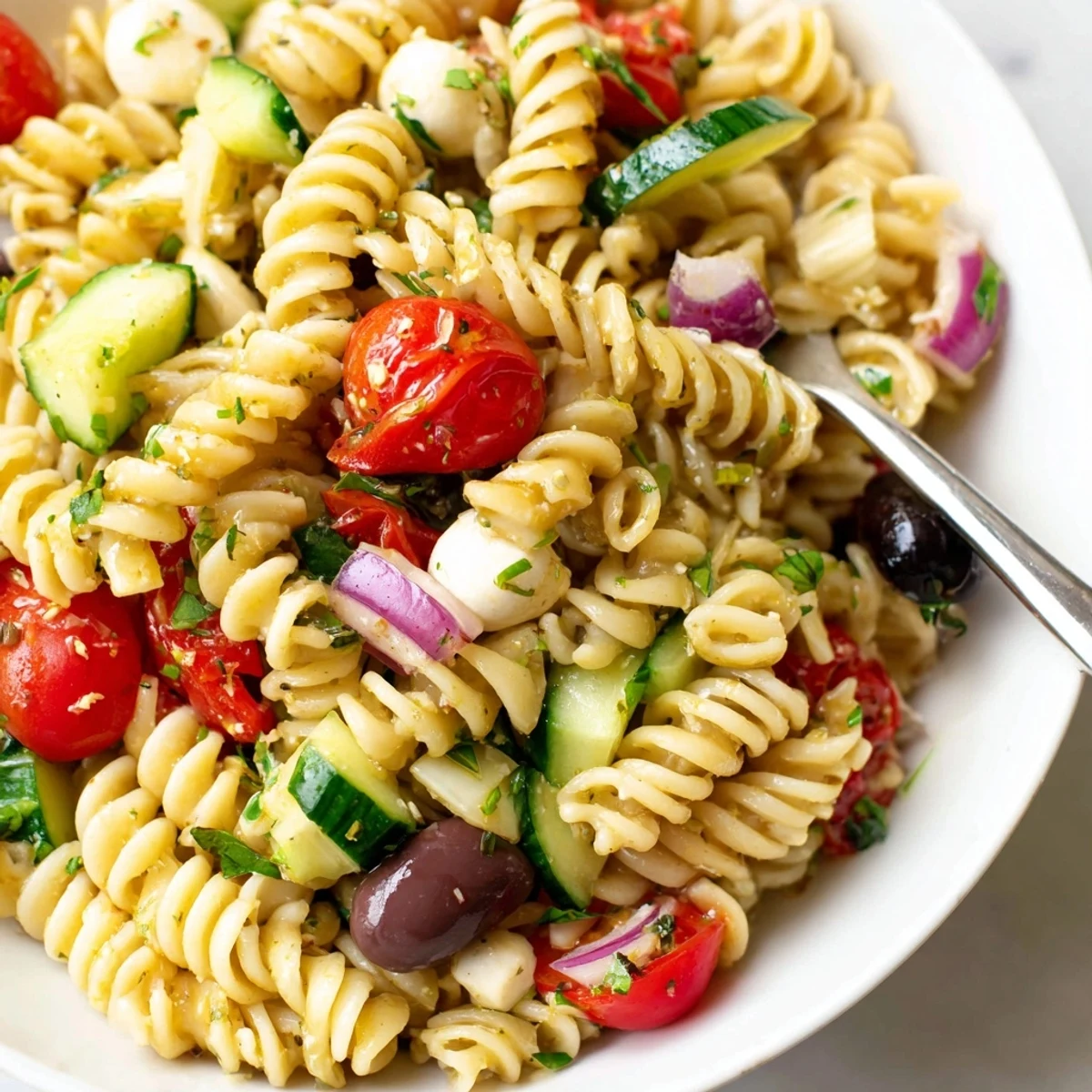
Save Keep this recipe in your back pocket for every warm-weather gathering and watch it become the dish people genuinely expect you to bring. That is the highest honor a salad can achieve.
Recipe FAQs
- → How do I prevent gluten-free pasta from sticking together?
-
Use plenty of boiling water, stir in the first minute of cooking, and avoid overcooking. Rinsing the pasta briefly under cold water after draining helps stop residual starch and keeps pieces separate for a salad.
- → Which pasta shapes work best for this salad?
-
Short shapes like fusilli, penne or radiatore hold dressing and mix-ins well. Choose a shape with grooves or ridges to catch bits of olive oil and herbs.
- → Can I make this ahead of time?
-
You can prepare most components in advance. Cook and cool the pasta, chop vegetables and make the dressing. Combine and chill at least 15 minutes before serving; for best texture, dress the pasta shortly before hosting if storing over 24 hours.
- → How can I keep the salad dairy-free?
-
Omit mozzarella and Parmesan or use plant-based cheese alternatives. The olive oil and vinegar dressing provides plenty of flavor without dairy.
- → What proteins pair well with this salad?
-
Grilled chicken, flaked tuna, or chickpeas are excellent additions for extra protein. Add them chilled or at room temperature and toss gently to combine.
- → How should I adjust seasoning for best flavor?
-
Taste after tossing and adjust salt, pepper and acidity. A little extra red wine vinegar or a pinch of sugar can brighten the dressing; fresh basil at the end adds aromatic lift.