
 Save
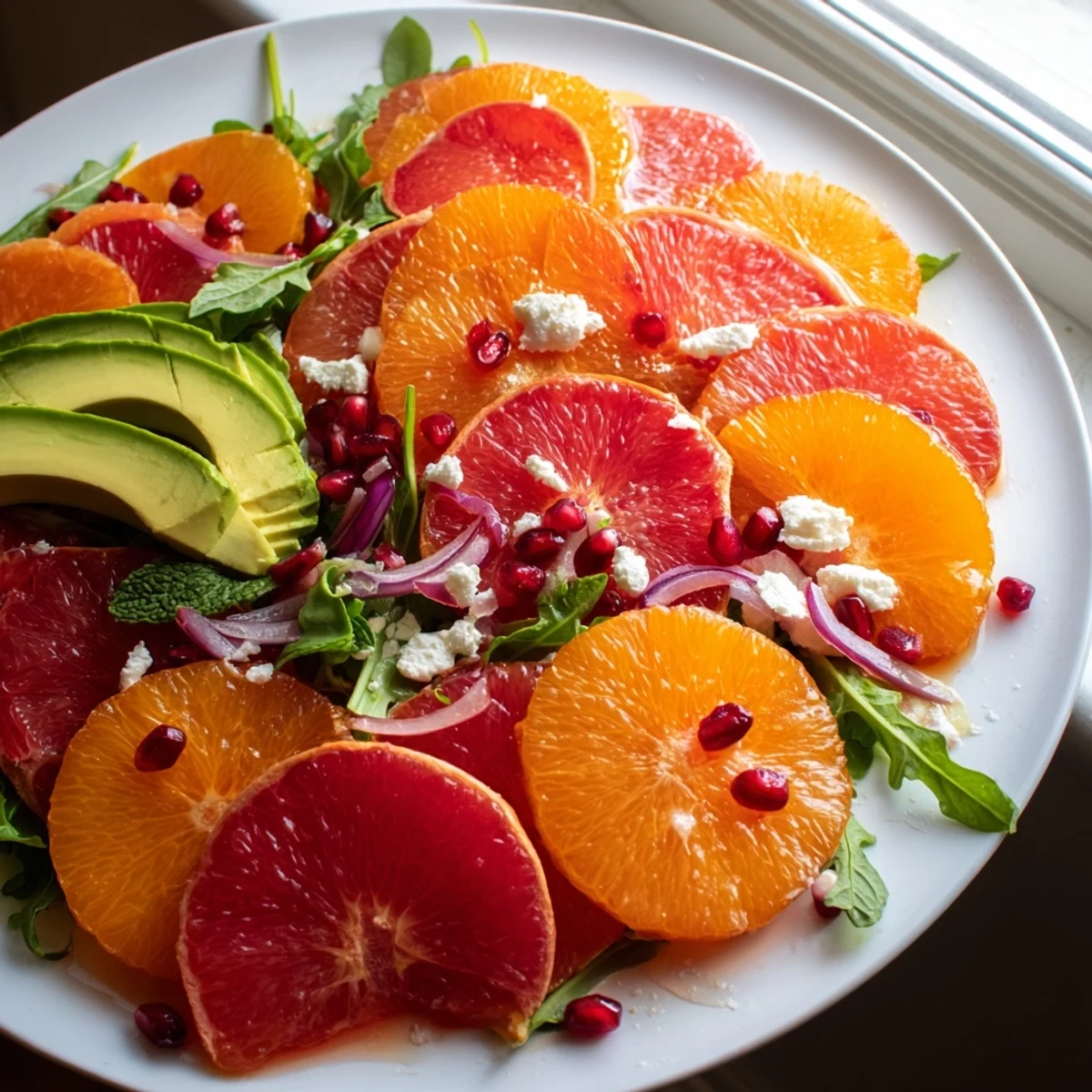
Save This refreshing Mediterranean-inspired citrus salad brings together the season's brightest flavors on one platter. Juicy orange and grapefruit slices are layered with peppery arugula, creamy avocado, and jewel-like pomegranate arils for stunning visual appeal.
A simple honey-lemon dressing ties everything together, while crumbled feta adds a satisfying salty finish. Ready in just 15 minutes with zero cooking, it makes an elegant starter or a satisfying light lunch for four.
The kitchen smelled like someone had turned a sunshine filled grove inside out, and all I had done was slice open three oranges and a grapefruit. Juice ran across the cutting board in rivulets, mixing with the faint pepperiness of arugula I had tossed carelessly onto a platter. That was the afternoon I realized a salad does not need lettuce to be a salad, and it certainly does not need cooking to feel like a real meal. I stood there with sticky fingers and a grin, sampling citrus segment after citrus segment before any of it reached the table.
I brought this platter to a potluck in January when everyone was tired of heavy holiday food and craving something bright. People hovered over it, picking at extra pomegranate arils and asking what on earth made the dressing taste so good. A friend texted me the next morning asking for the recipe, which is honestly the highest compliment a cook can receive.
Ingredients
- 2 large oranges, peeled and sliced: Use whatever citrus looks best, navel or Cara Cara both work beautifully here.
- 2 medium pink grapefruits, peeled and sliced: Slice away all the bitter white pith for the cleanest, sweetest segments.
- 1 small blood orange (optional), peeled and sliced: The deep ruby color turns the whole platter into something worth photographing.
- 1 ripe avocado, sliced: Choose one that yields slightly when pressed, firm enough to hold its shape on the plate.
- ½ cup pomegranate arils: These little bursts of tart sweetness are what make people come back for seconds.
- ¼ small red onion, thinly sliced: Soak the slices in ice water for five minutes if you find raw onion too sharp.
- 2 cups baby arugula or mixed greens: Arugula adds a peppery bite that plays perfectly against the sweet fruit.
- ½ cup feta cheese, crumbled: A good quality block you crumble yourself tastes creamier and less salty than pre crumbled.
- 3 tbsp extra virgin olive oil: Use the fruity, grassy stuff here since it is the backbone of a simple dressing.
- 1 tbsp fresh lemon juice: Bottled works in a pinch but fresh lemon has a brightness nothing else matches.
- 1 tsp honey or maple syrup: Just a touch rounds out the acidity and pulls all the flavors together.
- ½ tsp sea salt and ¼ tsp black pepper: Season lightly at first since the feta adds saltiness too.
- 2 tbsp fresh mint leaves, torn (optional): Tearing rather than chopping keeps the mint from bruising and turning dark.
Instructions
- Whisk the dressing together:
- Combine the olive oil, lemon juice, honey, salt, and pepper in a small bowl and whisk until the mixture looks creamy and slightly thickened. Taste it on your finger and adjust if it needs more brightness or a pinch more sweetness.
- Build the citrus foundation:
- Arrange the orange, grapefruit, and blood orange slices across a large platter, overlapping them slightly so the colors mingle. Scatter the arugula and red onion over the top in loose, uneven handfuls for a relaxed look.
- Add the creamy and crunchy elements:
- Tuck the avocado slices into the gaps between the citrus and sprinkle the pomegranate arils across everything generously. Try not to eat half the pomegranate seeds before they land on the platter.
- Dress and finish:
- Drizzle the dressing in a wide zigzag over the entire salad, then scatter the crumbled feta and torn mint on top. Serve it right away while the avocado is still glossy and the greens have not wilted.
 Save
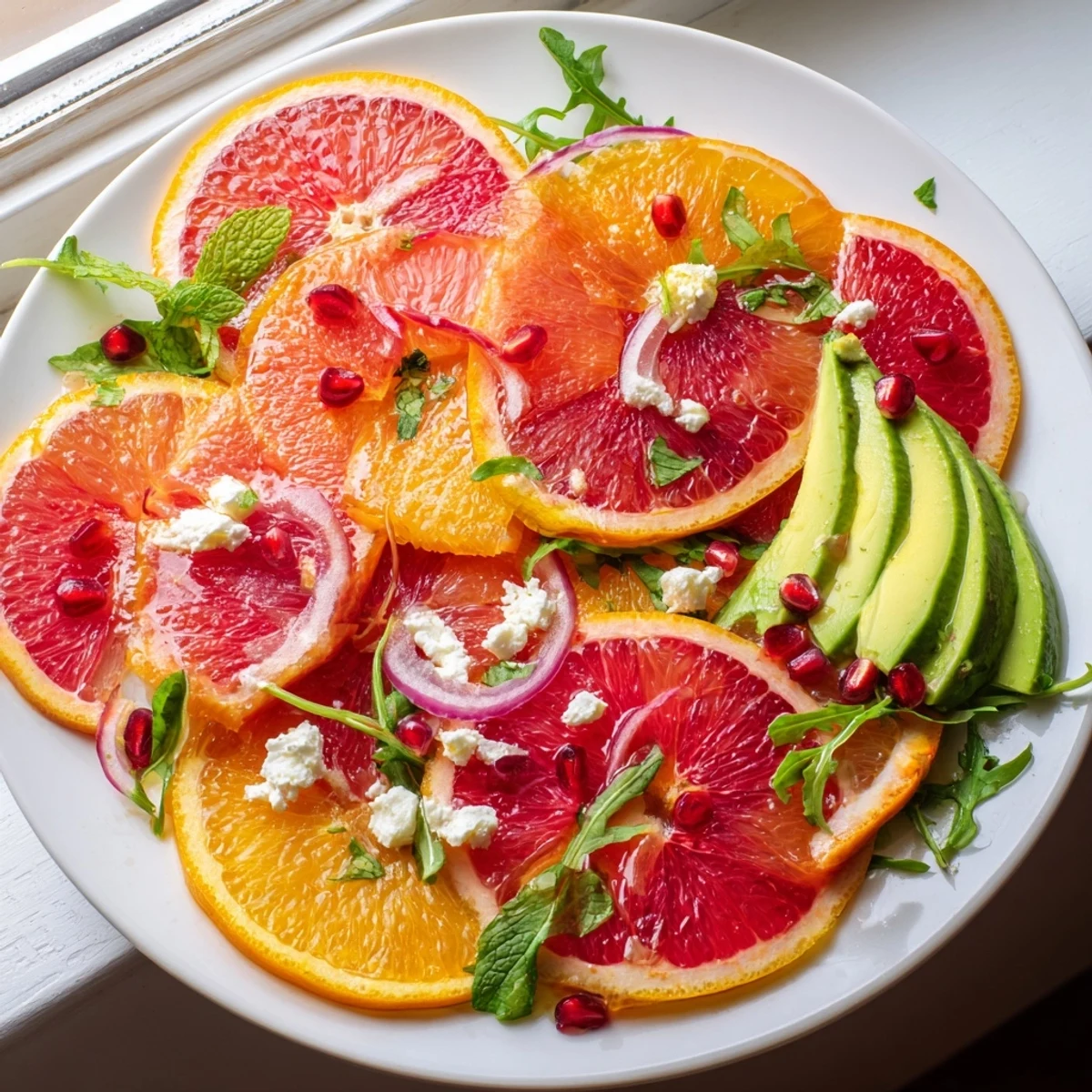
Save There is something about a platter of colorful food that makes people slow down and actually look at what they are about to eat. My neighbor once stood in my kitchen just staring at the blood orange slices, marveling that fruit could be that color naturally. Those small moments of wonder are worth every minute of prep.
Making It Your Own
Swap the feta for goat cheese if you want something tangier, or use a plant based feta to keep it vegan. Toasted pistachios or walnuts scattered on top add a crunch that changes the whole experience and takes almost no extra effort.
Prepping Ahead Smartly
You can peel and slice the citrus up to a day in advance and store it in an airtight container in the refrigerator. Make the dressing ahead too, but wait until the last possible moment to cut the avocado and assemble everything.
Choosing the Best Citrus
Look for fruits that feel heavy for their size, which means they are bursting with juice and flavor. A slightly soft grapefruit is often sweeter than one that feels rock hard, and the same goes for oranges. Avoid any with dull, shriveled skin or soft spots that indicate they have been sitting too long.
- Mixing different citrus varieties creates a more interesting range of sweetness and acidity.
- Blood oranges have a shorter season, usually December through March, so grab them when you see them.
- A sharp knife makes all the difference in getting clean, pretty slices instead of ragged ones.
 Save
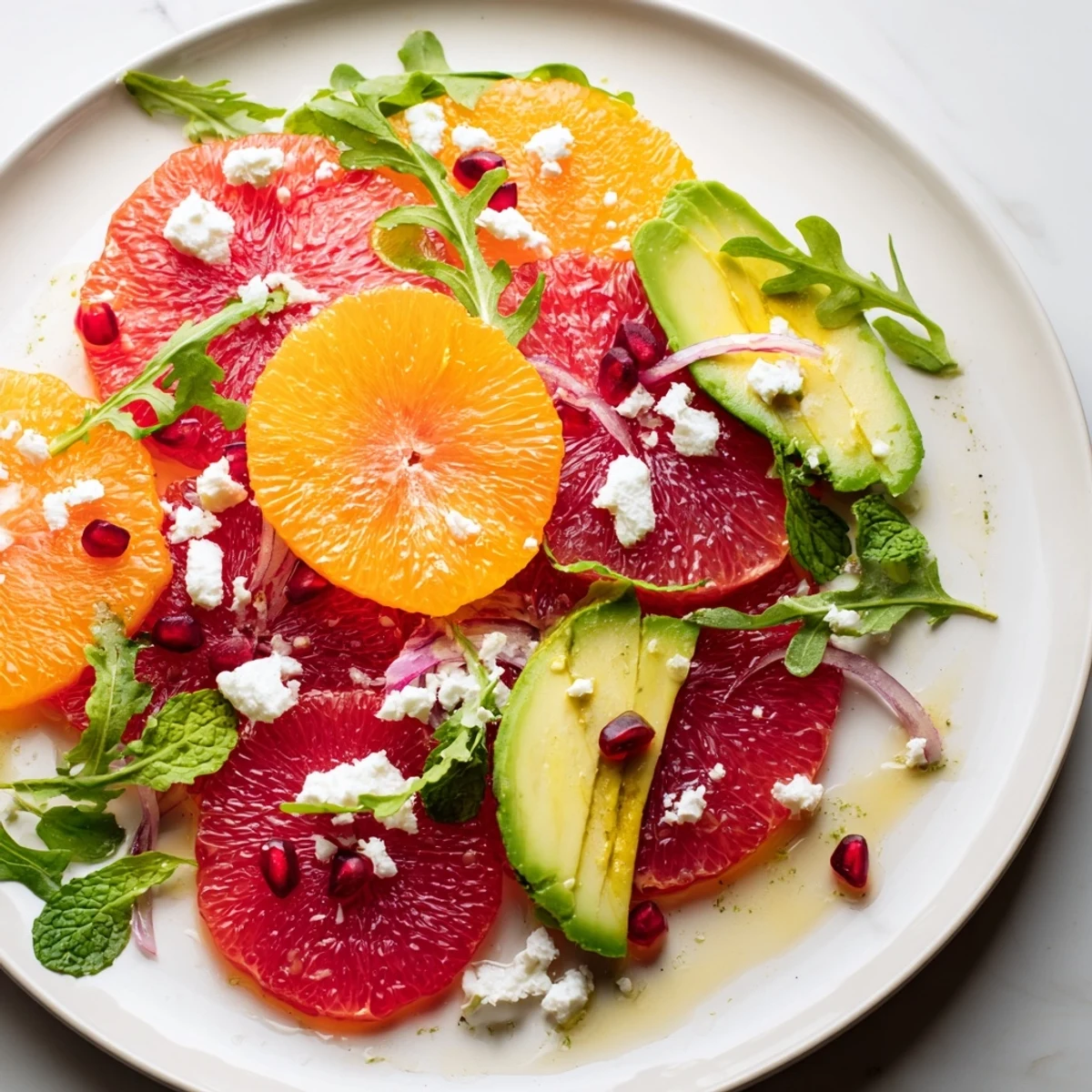
Save This salad is proof that simple ingredients treated with a little care can create something truly beautiful on a plate. Share it with someone who could use a little sunshine.
Recipe FAQs
- → Can I prepare this citrus salad ahead of time?
-
You can prep the individual components in advance — slice the citrus, prepare the dressing, and crumble the feta up to 24 hours ahead. Store each separately in the refrigerator. Assemble the salad just before serving to keep the avocado fresh and the greens crisp.
- → What is the best way to segment citrus fruits for this salad?
-
Use a sharp knife to slice off the top and bottom of each fruit, then cut away the peel and white pith following the curve of the fruit. Slice into rounds or cut between the membranes to release individual segments. Removing the pith ensures a cleaner, sweeter taste.
- → How do I keep the avocado from turning brown?
-
Slice the avocado right before assembling the salad. The lemon juice in the dressing helps slow oxidation. You can also toss the slices in a small splash of lemon juice before arranging them on the platter for extra protection against browning.
- → What can I substitute for pomegranate arils?
-
Dried cranberries or fresh raspberries make good substitutes if pomegranates are unavailable. Toasted pistachios or walnuts can also provide a similar pop of texture, though you'll lose some of the sweet-tart juiciness that pomegranate brings.
- → Is this salad suitable for a vegan diet?
-
Replace the feta cheese with a plant-based feta alternative and swap the honey for maple syrup in the dressing. The rest of the ingredients are naturally vegan-friendly, and the salad will be just as flavorful.
- → What main dishes pair well with this citrus salad?
-
Grilled chicken, baked salmon, or herb-roasted lamb complement the bright, tangy flavors beautifully. It also works well alongside couscous, quinoa bowls, or warm flatbread for a more substantial vegetarian spread.