
 Save
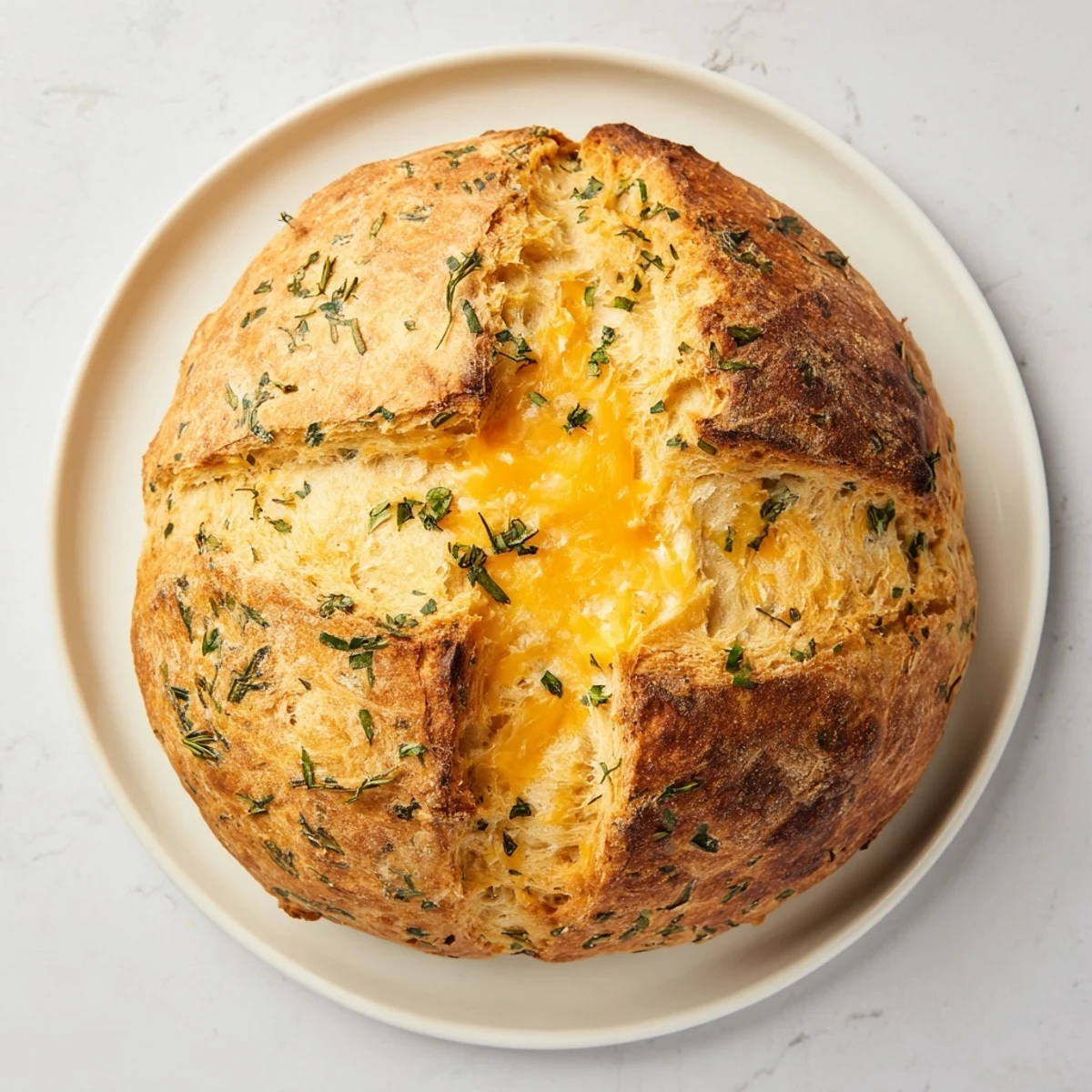
Save This traditional Irish-style quick bread combines the sharp tang of aged cheddar with a fragrant blend of chives, parsley, and thyme. The dough comes together in minutes using buttermilk for tenderness, then bakes into a golden, crusty loaf with a soft interior. No yeast or proofing required—just mix, shape, and bake for warm, savory goodness perfect for slathering with butter.
Last winter, during a stretch of gray afternoons when the kitchen felt like the only warm room in the house, I started experimenting with soda bread. Something about the immediacy of it appealed to me. No waiting, no proofing, just mixing and baking and suddenly the whole house smells like comfort.
I first made this for a casual weeknight dinner with friends who had dropped by unexpectedly. The bread was still slightly warm when I brought it to the table, and something about the combination of melting cheese and fragrant herbs made the entire evening feel cozier. They kept reaching for another slice, and suddenly the bread was the star of the show.
Ingredients
- Allpurpose flour: Forms the foundation of this quick bread, providing structure without needing yeast or lengthy kneading
- Salt: Essential for balancing the rich cheese and bringing out the herbal notes
- Baking soda: The leavening agent that reacts with buttermilk to create the breads characteristic rise and tender crumb
- Freshly ground black pepper: Adds a subtle warmth that complements the sharp cheddar beautifully
- Sharp cheddar cheese: The star of the show, coarsely grated so you get pockets of melted cheese throughout
- Fresh chives: Provide a mild onion flavor that brightens the rich cheese
- Fresh parsley: Adds freshness and color that cuts through the richness
- Fresh thyme leaves: Brings an earthy, aromatic quality that makes the bread feel special
- Buttermilk: Reacts with baking soda for lift and adds a subtle tang that enhances the cheese
- Unsalted butter: Melted into the dough and brushed on top for golden color and rich flavor
Instructions
- Preheat and prepare:
- Heat your oven to 425°F and line a baking sheet with parchment paper or dust it lightly with flour
- Whisk the dry ingredients:
- In a large bowl, combine flour, salt, baking soda, and black pepper until well blended
- Add the cheese and herbs:
- Stir in the grated cheddar, chives, parsley, and thyme until evenly distributed throughout the flour mixture
- Create the well:
- Make a deep hollow in the center of the bowl and pour in the buttermilk and melted butter
- Bring it together:
- Use a fork or spatula to stir just until the dough forms, being careful not to overwork it
- Shape the loaf:
- Turn the dough onto a floured surface and gently shape it into a round about 7 inches across and 2 inches high
- Score the top:
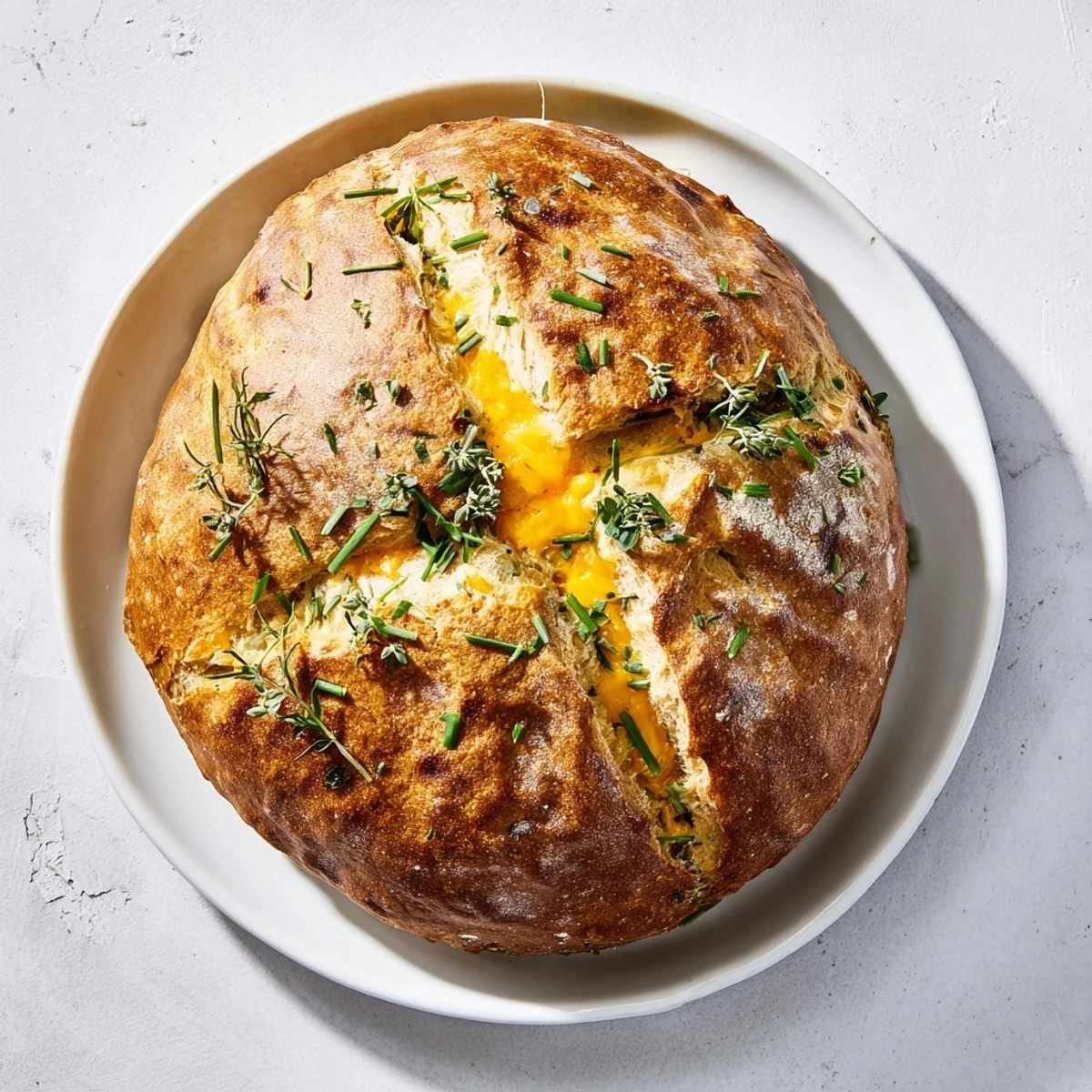
- Use a sharp knife to cut a deep cross across the top of the loaf, which helps it bake evenly
- Finish and bake:
- Brush with extra melted butter if desired and bake for 30 to 35 minutes until deeply golden and hollow sounding when tapped
- Cool slightly:
- Let the bread rest on a wire rack for at least a few minutes before slicing
 Save
Save My grandmother used to say that soda bread was the original emergency comfort food. Something about that philosophy stuck with me, and now whenever friends are having a rough week or the weather turns particularly dreary, I find myself reaching for the flour and cheese. The act of making something warm and nourishing in less than an hour feels like a small act of kindness.
Cheese Choices That Work
Sharp cheddar is traditional here, but do not be afraid to experiment. Smoked cheddar adds a wonderful depth that pairs especially well with the herbs. A mix of cheddar and gruyère creates something more sophisticated. Just avoid very soft cheeses that will make the dough too wet to handle properly.
Herb Variations
The classic combination of chives, parsley, and thyme is hard to beat, but rosemary and garlic make for a more intensely flavored loaf. Dill works beautifully if you plan to serve this with fish. In summer, try adding fresh basil or even some chopped scallions for a brighter, greener flavor profile.
Serving Suggestions
This bread deserves to be the centerpiece of a simple meal. Slice it thick and serve alongside a steaming bowl of tomato soup or a hearty vegetable stew. At breakfast, toast it and top with a poached egg. For afternoon tea, it is perfect with a sharp chutney or some salted butter.
- Try toasting leftovers and rubbing them with a cut clove of garlic for instant cheesy garlic bread
- Cubed and stale, this makes excellent croutons for salads or soups
- Freeze extra loaves wrapped tightly in plastic and foil for up to 3 months
 Save
Save There is something profoundly satisfying about a recipe that asks so little but gives so much back. I hope this bread finds its way into your kitchen on days when you need exactly that kind of simple comfort.
Recipe FAQs
- → What makes soda bread different from regular bread?
-
Soda bread uses baking soda as the leavening agent instead of yeast, which means no proofing or rising time is required. This makes it much faster to prepare while still delivering a delicious, hearty texture.
- → Can I use dried herbs instead of fresh?
-
Yes, dried herbs work well. Use about one-third the amount specified for fresh herbs since dried flavors are more concentrated. For example, substitute 1 teaspoon of dried thyme for the fresh tablespoon.
- → What can I substitute for buttermilk?
-
Regular milk mixed with 1 tablespoon of lemon juice or vinegar per cup makes an excellent buttermilk substitute. Let it sit for 5 minutes to curdle slightly before using.
- → How do I know when the bread is done?
-
The bread is ready when it's golden brown on top and sounds hollow when tapped on the bottom. An instant thermometer inserted into the center should read between 190-200°F (88-93°C).
- → Can I freeze this bread?
-
Absolutely. Wrap the cooled loaf tightly in plastic wrap and foil, then freeze for up to 3 months. Thaw at room temperature and warm in the oven for best results.
- → Why is there a cross cut on top?
-
The traditional cross cut serves two purposes: it helps the heat penetrate the center for even baking, and it allows the bread to expand naturally as it bakes, creating that classic rustic appearance.