
 Save
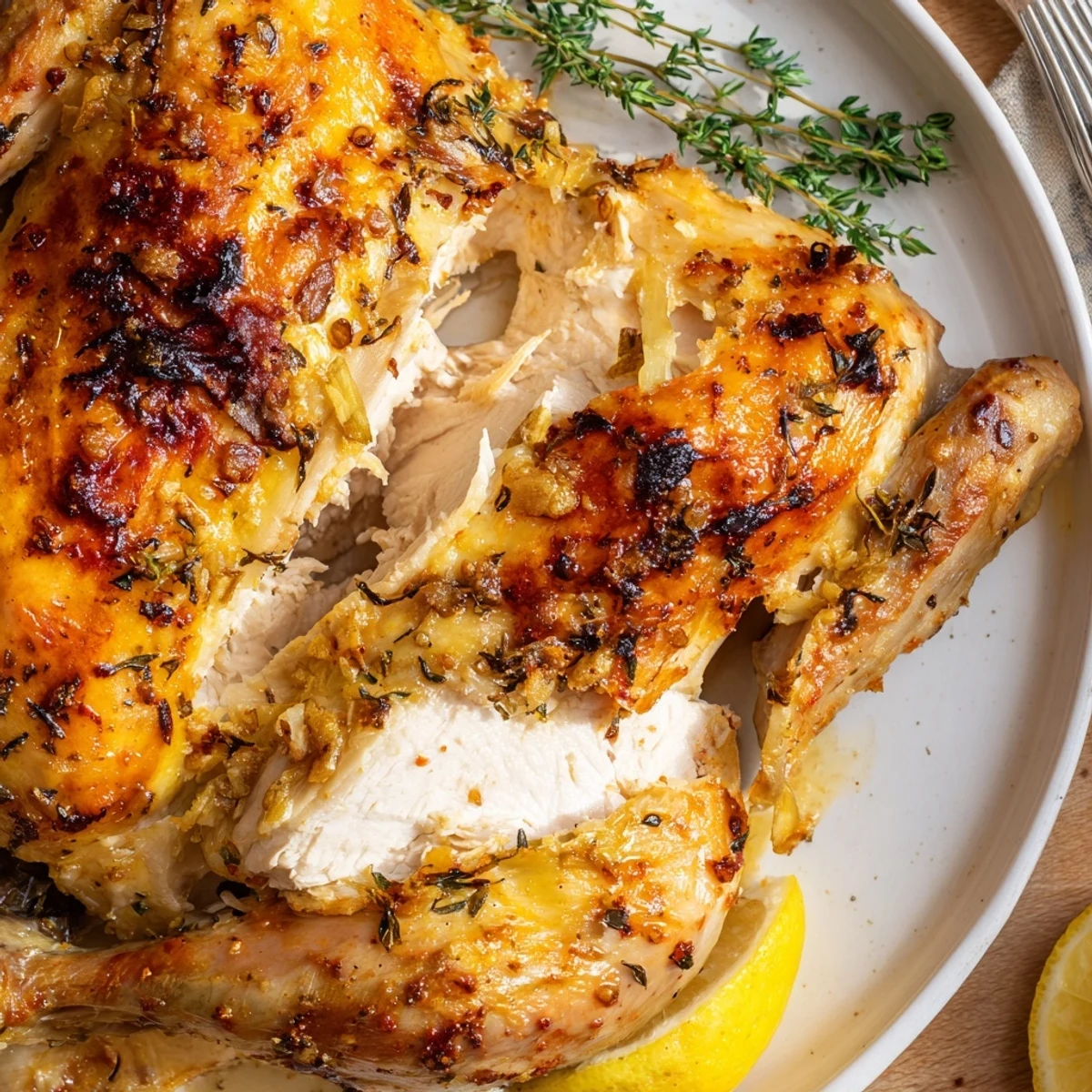
Save This buttermilk-marinated chicken yields tender, juicy meat and deeply browned, crisp skin. Whisk buttermilk with olive oil, garlic, lemon, paprika, thyme, salt and pepper; coat a spatchcocked bird or pieces and chill at least 8 hours. Roast at 425°F (220°C) on a rack for 45–60 minutes until the thickest part reaches 165°F (74°C). Let rest 10 minutes, carve and serve warm. Serves 4; naturally gluten-free.
The sizzle of chicken hitting a hot pan on a Sunday afternoon is one of those sounds that immediately makes a kitchen feel like home. My neighbor Clara brought over a jug of buttermilk one fall weekend, claiming she had accidentally bought two and could not possibly use both before they turned. I stared at that jug for a solid day before inspiration struck, and what followed was the most ridiculous, messy, glorious experiment in roasted chicken I have ever attempted.
That first batch came out of the oven with skin so golden and blistered it looked painted, and my roommate actually clapped when I set the pan on the counter. We stood in the kitchen tearing pieces off with our fingers before a plate ever hit the table. It has been my most requested dinner ever since.
Ingredients
- Whole chicken (3.5 to 4 lbs): Spatchcocking or cutting into pieces helps the marinade penetrate every crevice and promotes even cooking.
- Buttermilk (2 cups): The lactic acid breaks down proteins gently, creating tenderness without turning meat mushy.
- Olive oil (2 tbsp plus 1 tbsp for brushing): Helps carry fat soluble flavors from the spices deep into the meat.
- Garlic (4 cloves, minced): Raw garlic in a long marinade mellows into something sweet and savory.
- Kosher salt (1 tbsp): Essential for drawing the buttermilk flavors into the bird.
- Black pepper (2 tsp): Adds subtle warmth that balances the tang of the buttermilk.
- Paprika (1 tbsp): Sweet or smoked both work beautifully, and it gives the skin that sunset orange color.
- Dried thyme (2 tsp): An earthy backbone that ties the lemon and garlic together.
- Lemon zest and juice: Brightens the whole marinade and cuts through the richness of the chicken fat.
- Fresh herbs for garnish (optional): A scattering of parsley or thyme makes it look like you tried harder than you did.
Instructions
- Whisk the marinade together:
- In a large bowl, combine the buttermilk, olive oil, minced garlic, salt, pepper, paprika, thyme, lemon zest, and lemon juice until everything is smooth and fragrant. The color should be a soft, warm cream flecked with green herbs and golden zest.
- Submerge the chicken:
- Place the chicken in a large zip top bag or a non reactive container and pour the marinade over every surface. Squish the bag around until the bird is completely enveloped, then seal it tight and tuck it into the refrigerator for at least eight hours.
- Drain and dry slightly:
- Pull the chicken from the marinade and let the excess drip off, then discard the used marinade. A light blot with paper towels helps the oil stick and promotes better browning.
- Preheat and prepare for roasting:
- Heat the oven to 425 degrees F and set the chicken on a rack over a rimmed baking sheet. Brush it all over with a thin layer of olive oil so every exposed inch gets that crackling finish.
- Roast until golden:
- Cook for 45 to 60 minutes, watching for the skin to turn a deep amber and listening for the pops and sizzles that tell you the fat is rendering beautifully. The internal temperature should reach 165 degrees F in the thickest part.
- Rest and serve:
- Give the chicken a full ten minutes to rest before carving so the juices redistribute rather than running out onto the board. Scatter fresh herbs over the top if you like and serve it warm.
 Save
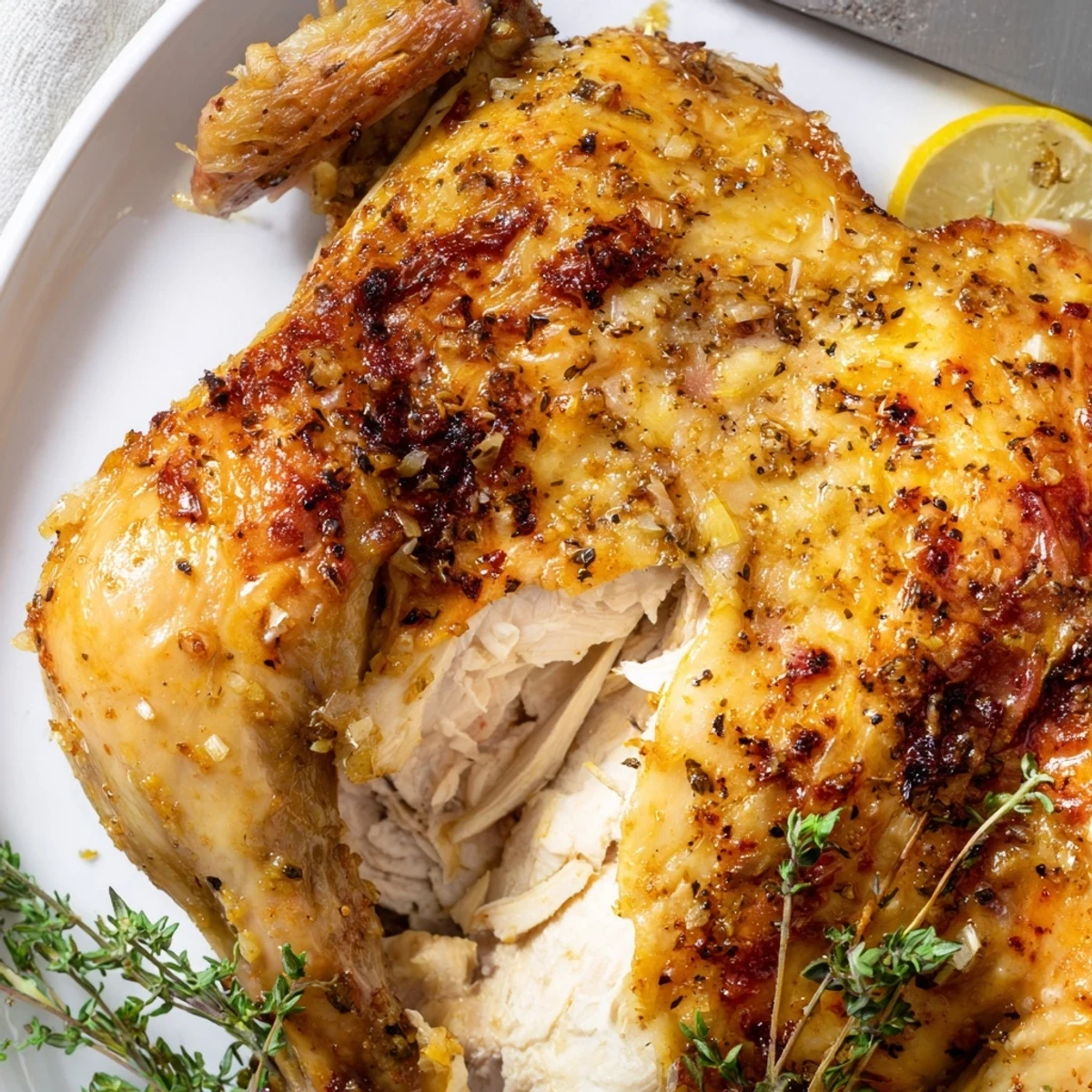
Save I once made this for a friend who swore she did not like dark meat, and she ate three drumsticks without realizing it. The buttermilk changes everything about how chicken tastes and feels in your mouth.
What to Serve Alongside
Roasted root vegetables are the obvious choice because they can share the same oven and the same pan drippings. A peppery arugula salad with shaved parmesan and a squeeze of lemon cuts through the richness perfectly.
Making It Your Own
Try swapping the thyme for rosemary in winter or adding a pinch of chili flakes when you want gentle heat. Smoked paprika instead of sweet transforms the whole dish into something that tastes like it came off a backyard grill.
Getting the Skin Right
The single biggest factor in crispy skin is making sure the chicken is not crowded on the pan so hot air can circulate underneath. A wire rack is not optional here, it is the difference between soggy and shattering.
- Let the chicken sit uncovered in the fridge for an hour after marinating if you want even crispier results.
- Brush with oil right before it goes in, not before, so the fat does not drip off.
- Always check temperature in the thigh, not the breast, for the most accurate reading.
 Save
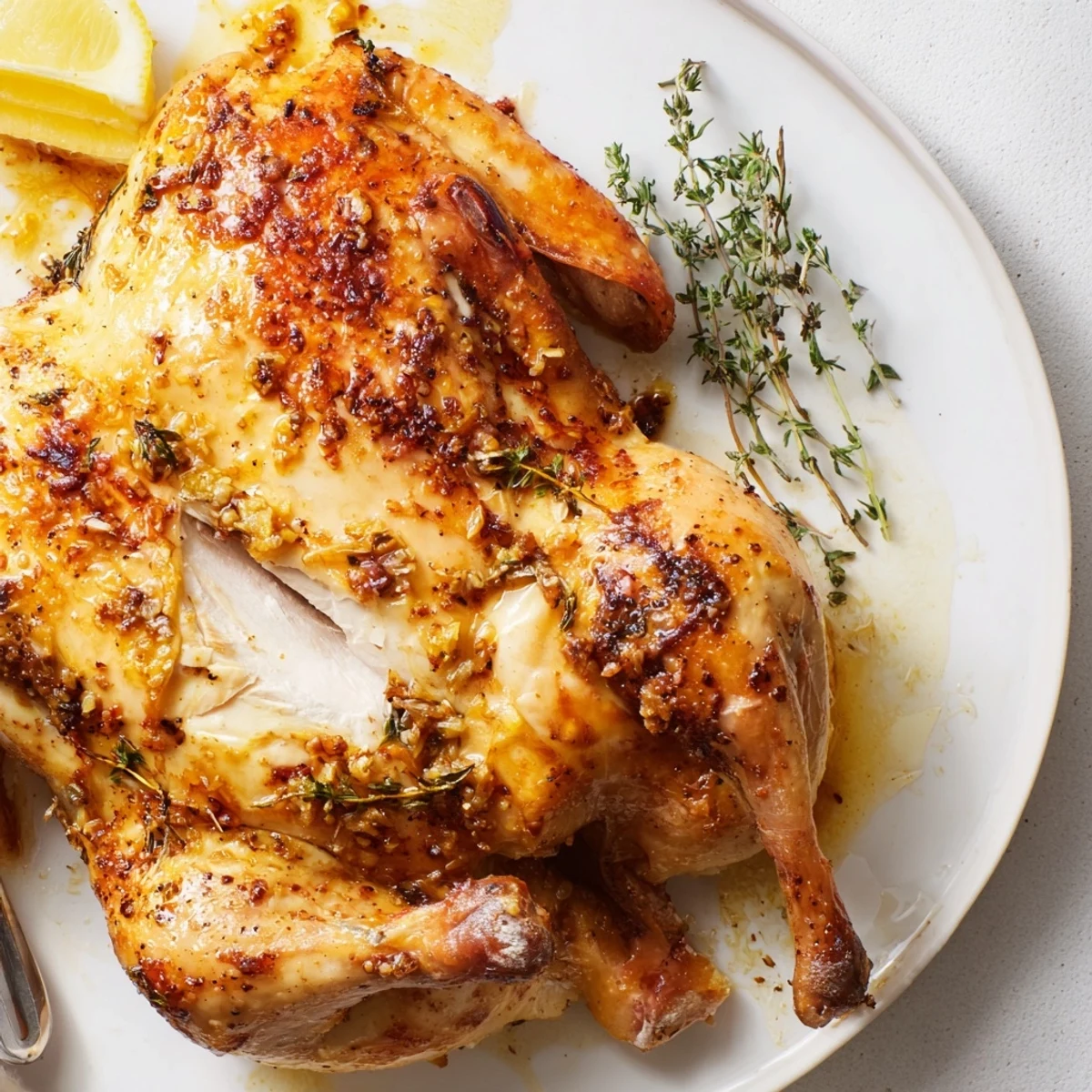
Save Some recipes become staples because they are impressive, but this one earned its place because it is genuinely easy and always delivers. Your Sunday dinners are about to get a serious upgrade.
Recipe FAQs
- → How long should the chicken marinate?
-
Marinate at least 8 hours or overnight for best tenderness and flavor penetration. Shorter times will still add flavor but yield less tender meat.
- → What can I use instead of buttermilk?
-
Mix 2 cups milk with 2 tablespoons lemon juice or white vinegar and let sit 5–10 minutes to curdle. That acidity helps break down proteins for tender meat.
- → Should I spatchcock the chicken or use pieces?
-
Spatchcocking shortens and evens cooking time for a whole bird and improves skin crisping. Cutting into pieces works too and may finish faster.
- → How do I ensure the skin gets crisp?
-
Pat the chicken dry before roasting, brush lightly with oil, and place on a rack so hot air circulates. Roast at high heat (425°F/220°C) until deeply golden.
- → How do I check doneness safely?
-
Use a meat thermometer in the thickest part of the thigh or breast; target 165°F (74°C). If juices run clear and temperature is reached, the bird is done.
- → Can I add other seasonings for more heat or herb flavor?
-
Yes—add chili flakes for heat or swap thyme for rosemary. Fresh herbs can be tucked under skin or used as a garnish after roasting.